Why Base leads RWA tokenization
Base has emerged as the preferred Layer 2 for Real-World Asset (RWA) tokenization, driven by a combination of institutional trust, economic efficiency, and seamless fiat on-ramps. While many chains compete for DeFi volume, Base’s unique positioning comes from its direct lineage with Coinbase, the largest US-based crypto exchange. This connection provides RWA issuers with a direct pipeline to a massive, regulated user base that already holds USD and stablecoins.
The economic case for Base is straightforward. Tokenizing real-world assets—whether it’s private credit, real estate, or treasury bills—often involves small transaction sizes relative to their value. High gas fees on legacy networks like Ethereum mainnet can erase profit margins on these micro-transactions. Base offers consistently low fees, making it viable to tokenize assets that might otherwise be too small to justify the on-chain overhead. This cost efficiency is critical for the RWA model, which relies on scale and accessibility to democratize access to traditionally exclusive asset classes.
Beyond costs, the infrastructure for moving fiat in and out of the ecosystem is more mature on Base than almost any other L2. RWA projects require reliable, compliant on-ramps to allow institutional investors to deposit capital and retail users to cash out yields. Base’s integration with Coinbase Pay and its support for native USD stablecoins reduce the friction and regulatory risk associated with cross-chain bridging. For issuers, this means a smoother user experience and a lower barrier to entry for traditional finance participants who are already familiar with the Coinbase interface.
This combination of low costs, institutional backing, and fiat liquidity creates a compelling environment for RWA tokenization. It allows projects to focus on asset quality and legal structuring rather than battling network congestion or complex bridge mechanics. As the RWA sector matures, Base’s infrastructure advantages are likely to solidify its position as the primary settlement layer for tokenized real-world value.
Core Infrastructure Providers on Base
RWA tokenization on Base doesn't happen in a vacuum. It relies on a stack of middleware and oracle layers that bridge traditional finance data with on-chain settlement. Without these components, the digital representation of assets like real estate or treasury bills would lack the price integrity and compliance hooks necessary for institutional adoption.
Chainlink: The Oracle Backbone
Chainlink serves as the primary oracle infrastructure for RWA on Base, ensuring that off-chain asset data—such as interest rates, foreign exchange prices, and legal compliance statuses—is securely fed into smart contracts. For RWAs, this isn't just about price feeds; it's about verifiable state. Chainlink Functions and CCIP (Cross-Chain Interoperability Protocol) allow tokenized assets to move securely between traditional banking rails and the Base blockchain.
This infrastructure enables automated settlement. When a bond matures or a real estate property generates rental income, the oracle layer verifies the event and triggers the corresponding token transfer or yield distribution on Base. This reduces counterparty risk and eliminates the need for manual reconciliation between off-chain ledgers and on-chain balances.
Tokenization Platforms and Compliance Middleware
Beyond oracles, specialized platforms provide the compliance layer that traditional finance requires. Protocols like Securitize and Tokeny offer infrastructure that integrates with Base to handle investor accreditation, KYC/AML checks, and transfer restrictions. These platforms ensure that only verified participants can hold or trade specific RWA tokens, maintaining regulatory adherence.
These middleware solutions act as the gatekeepers. They interact with the underlying smart contracts to enforce rules, such as blocking transfers to non-accredited wallets or pausing transactions during legal disputes. This integration is critical for RWAs, where the legal enforceability of the token is as important as its technical functionality.
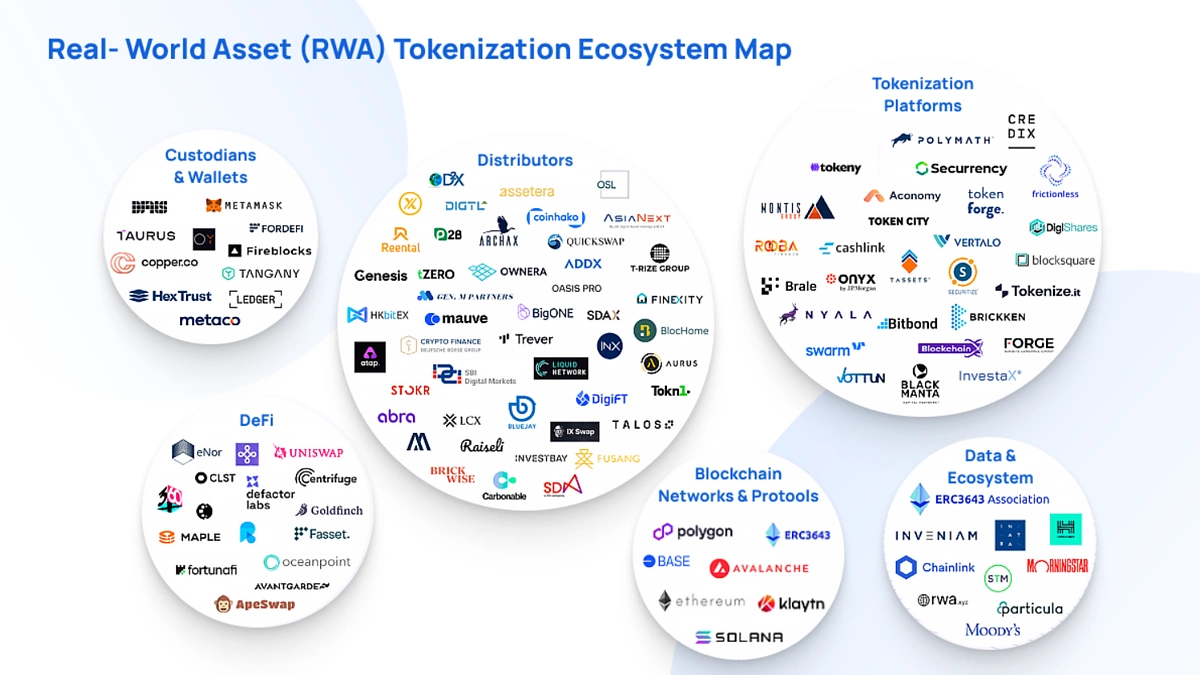
Comparison of RWA Infrastructure on Base
The following table compares key infrastructure providers supporting RWA tokenization on Base, highlighting their primary roles in the ecosystem.
| Provider | Primary Role | Key Feature for RWA |
|---|---|---|
| Chainlink | Oracle & Connectivity | CCIP for cross-chain asset settlement |
| Securitize | Tokenization Platform | Compliance and investor onboarding |
| Tokeny | Tokenization Platform | Regulatory framework integration |
| Superstate | Fund Tokenization | Automated treasury yield distribution |
Essential tools for RWA issuance
Tokenizing a real-world asset on Base isn't just about minting a token; it's about building a bridge between traditional legal structures and on-chain liquidity. You need software that handles the entire lifecycle—from asset verification to secondary trading—without forcing you to stitch together incompatible legacy systems.
The foundation is a tokenization platform that supports regulatory-compliant standards. On Base, this usually means ERC-3643 (T-REX) or ERC-1400, which embed transfer restrictions directly into the smart contract. These standards ensure that only verified, whitelisted wallets can hold or trade the asset, keeping your issuance compliant with securities laws without relying on off-chain enforcement alone.
Beyond the token itself, you need an oracle service to bring off-chain data on-chain. Whether you're tracking interest rates for a bond or property values for a real estate fund, an oracle like Chainlink or Pyth Network provides the price feeds and data updates that trigger yield distributions or collateral calls. Without this, your on-chain asset is isolated from the real-world metrics that give it value.
Finally, legal-tech tools are non-negotiable. Platforms like Securitize or Tokeny provide the infrastructure for digital share registries and automated compliance checks. They handle the "legal wrapper"—the SPV or trust structure that holds the underlying asset—ensuring that the token holder's rights are legally enforceable in the real world.
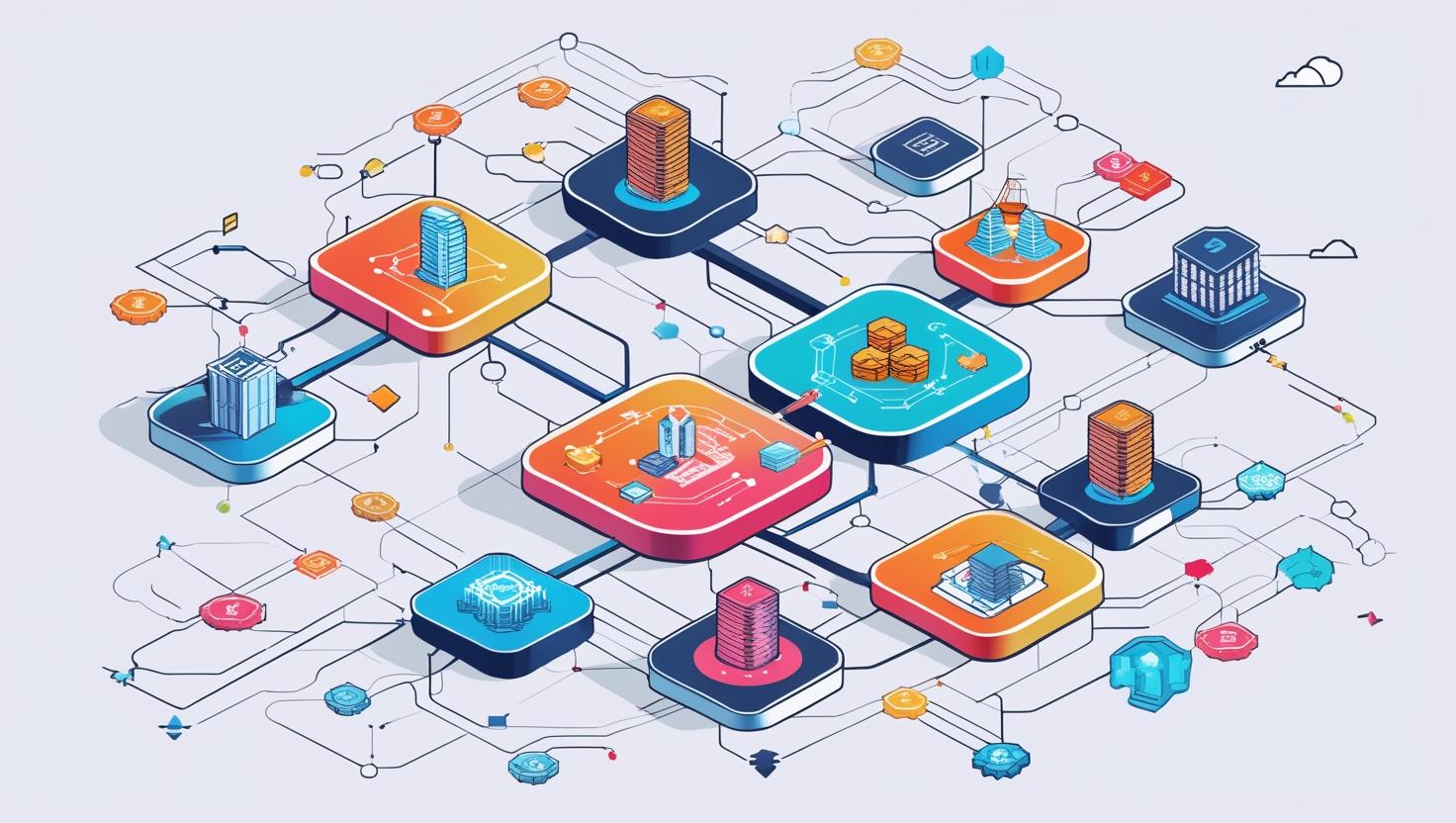
The interplay between these tools creates a seamless flow. The legal-tech layer defines ownership, the tokenization platform issues the digital representation, and the oracle layer ensures that the on-chain value reflects the off-chain reality. On Base, this stack is particularly efficient due to the low gas costs, making it viable to tokenize smaller, fractionalized assets that would be too expensive to issue on more congested chains.
How yield works in Base RWA DeFi
Tokenized real-world assets (RWAs) on Base don’t create value out of thin air; they simply move existing cash flows onto a blockchain. When you buy a tokenized Treasury bill or a fractionalized real estate share, you are purchasing a claim on the underlying off-chain asset. The yield you receive is the interest, rent, or dividend generated by that asset, converted into crypto terms. Think of it as a digital wrapper around a traditional financial instrument, allowing you to trade, lend, or compound that yield 24/7 without the usual banking delays.
Issuers on Base typically structure these products to pass through the base yield to token holders. For example, a tokenized US Treasury bill might yield 5% annually in stablecoins. If you hold the token, you receive that 5% minus a small management fee. This mechanism is straightforward, but it introduces a new layer of risk: the link between the on-chain token and the off-chain legal entity. If the custodian holding the actual Treasury fails to deliver the interest, your on-chain token might still show a yield, but the cash flow stops. This is the fundamental disconnect in RWA DeFi.
Investors on Base often layer this base yield with additional DeFi strategies. You might lend your RWA token on a money market protocol to earn extra fees, or use it as collateral to borrow stablecoins. This "yield stacking" can significantly boost returns, but it also compounds risk. If the underlying RWA’s value drops, your borrowed stablecoins might need to be liquidated. The strategy is powerful, but it requires a clear understanding of both the traditional asset’s performance and the DeFi protocol’s mechanics.
Recommended tools and products
To participate in Base RWA DeFi, you need the right infrastructure. Start with a non-custodial wallet like MetaMask or Rabby. These let you manage your Base assets and interact with tokenized asset contracts securely. For larger holdings, a hardware wallet like the Ledger Nano X adds an extra layer of security for your private keys.
Beyond wallets, tracking tools are essential. Use DeFi Llama or Arkham Intelligence to monitor on-chain RWA flows. These platforms provide real-time data on tokenized treasuries, real estate, and commodities moving across the Base network. This transparency helps you verify the underlying assets backing your positions.


As an Amazon Associate, we may earn from qualifying purchases.
No comments yet. Be the first to share your thoughts!