Why Base Leads RWA Tokenization
Base has emerged as the primary infrastructure layer for real-world asset (RWA) tokenization, driven by its unique position at the intersection of Ethereum scalability and institutional accessibility. Unlike general-purpose L2s that chase speculative volume, Base’s architecture prioritizes reliability and low-cost finality—two non-negotiable requirements for tokenizing tangible assets like real estate, private credit, or treasury bills.
The network’s efficiency stems from its optimized sequencer and data availability layer, which keeps transaction costs fractions of a cent. For RWA issuers, this means the cost of minting, transferring, or settling tokenized shares rarely exceeds the value of the micro-transactions themselves. This economic structure allows fractional ownership models to remain viable at scale, something that remains prohibitively expensive on mainnet Ethereum or many competing L2s.
Perhaps more critical is Base’s integration with Coinbase’s vast user base and compliance infrastructure. RWA tokenization is not just a technical challenge; it is a regulatory one. Base benefits from Coinbase’s institutional relationships and KYC/AML frameworks, providing issuers with a streamlined path to onboarding accredited and retail investors without building separate compliance rails from scratch. This synergy reduces friction for both issuers and investors, accelerating adoption.
The result is a growing ecosystem of RWA protocols choosing Base for deployment. From tokenized short-term treasuries to private debt instruments, the network’s combination of low fees, high throughput, and institutional trust makes it the default choice for serious RWA infrastructure in 2026.
Leading Protocols for On-Chain Credit
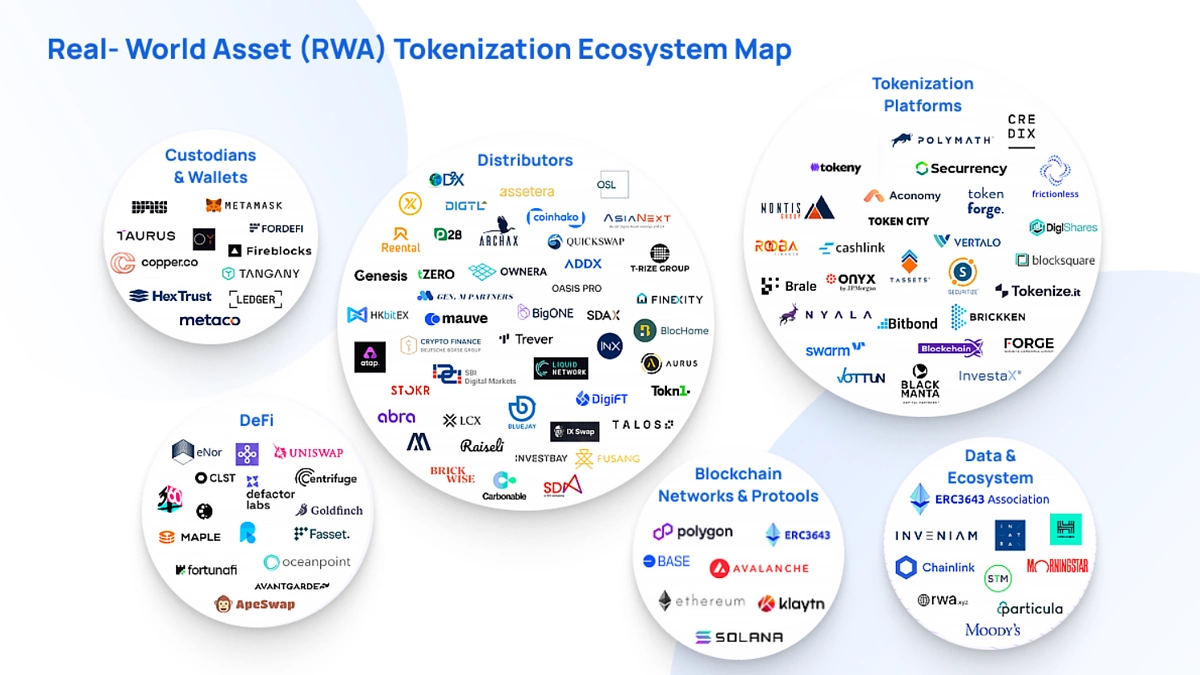
Base has evolved from a speculative chain into a primary hub for real-world asset (RWA) tokenization. This shift is driven by protocols that bridge traditional finance with decentralized lending, allowing users to access liquidity against tokenized assets like U.S. Treasuries and private credit. These platforms do not just offer yield; they provide the infrastructure for institutional-grade credit markets to operate on-chain.
The following comparison highlights three dominant protocols currently shaping the Base RWA landscape. Each serves a distinct niche, from government-backed securities to private corporate debt.
| Protocol | Primary Asset Class | Est. TVL (USD) | Risk Profile |
|---|---|---|---|
| Ondo Finance | U.S. Treasuries & Money Markets | $400M+ | Low (Regulated Securities) |
| Centrifuge | Real Estate & Private Credit | $200M+ | Medium (Underlying Asset Risk) |
| Maple Finance | Institutional Corporate Credit | $150M+ | Medium-High (Counterparty Risk) |
Ondo Finance: The Treasury Standard
Ondo Finance focuses on bringing regulated U.S. Treasury yields on-chain. Its primary product, USDY (now part of OUSG), represents short-term U.S. government bonds. By holding these assets in a regulated trust, Ondo offers a stable, low-volatility entry point for Base users seeking yield that closely mirrors traditional money markets. The protocol’s risk profile is heavily influenced by its reliance on traditional legal structures and custodians, making it one of the safest RWA options available.
Centrifuge: Real Estate and Private Debt
Centrifuge operates as a capital market protocol that connects real-world asset issuers with DeFi liquidity. Instead of focusing solely on Treasuries, Centrifuge facilitates tokenized invoices, real estate loans, and creator economy financing. The protocol’s risk is tied to the creditworthiness of the underlying borrowers. While this introduces higher potential returns, it also requires rigorous due diligence on the asset originators, distinguishing it from the more passive nature of Treasury-backed products.
Maple Finance: Institutional Credit
Maple Finance pioneered on-chain corporate credit by allowing institutions to lend directly to other institutions. On Base, Maple continues to serve as a bridge for institutional capital, offering higher yields through private credit agreements. The risk here is primarily counterparty risk; lenders must assess the financial health of the borrowing entities. This makes Maple less suitable for retail investors seeking passive, regulated yield, but highly attractive for those comfortable with institutional credit analysis.


As an Amazon Associate, we may earn from qualifying purchases.
Understanding these protocols helps clarify the Base RWA narrative: it is no longer just about speculative tokens, but about integrating real financial instruments into decentralized ecosystems. As regulatory frameworks evolve, these protocols will likely face increased scrutiny, but their ability to provide accessible, transparent credit markets remains a strong value proposition.
Infrastructure and Oracle Layers
Base Real-World Asset DeFi Hubs Analysis works best as a clear sequence: define the constraint, compare the realistic options, test the tradeoff, and choose the path with the fewest hidden costs. That order keeps the advice usable instead of decorative. After each step, pause long enough to check whether the recommendation still fits the reader's actual situation. If it depends on perfect timing, unusual access, or a best-case budget, include a simpler fallback.
The simplest way to use this section is to write down the real constraint first, compare each option against it, and choose the path that still works outside ideal conditions.
Tracking RWA Performance on Base
Monitoring the health of tokenized real-world assets requires more than just watching price charts. You need visibility into on-chain liquidity, yield distribution, and the underlying asset's stability. The tools below help you track these metrics directly on Base.
Live Price and Yield Widgets
For real-time data, provider-backed widgets are the most reliable option. They pull directly from exchange feeds and on-chain oracles, avoiding the lag of static screenshots.
These widgets show immediate price movements and volume. For broader market context, you can also use a TechnicalChart to analyze trends across major RWA tokens like Ondo or Centrifuge.
Dashboard Aggregators
Beyond individual tokens, aggregators provide a holistic view of the ecosystem. They track total value locked (TVL) across different RWA protocols on Base.
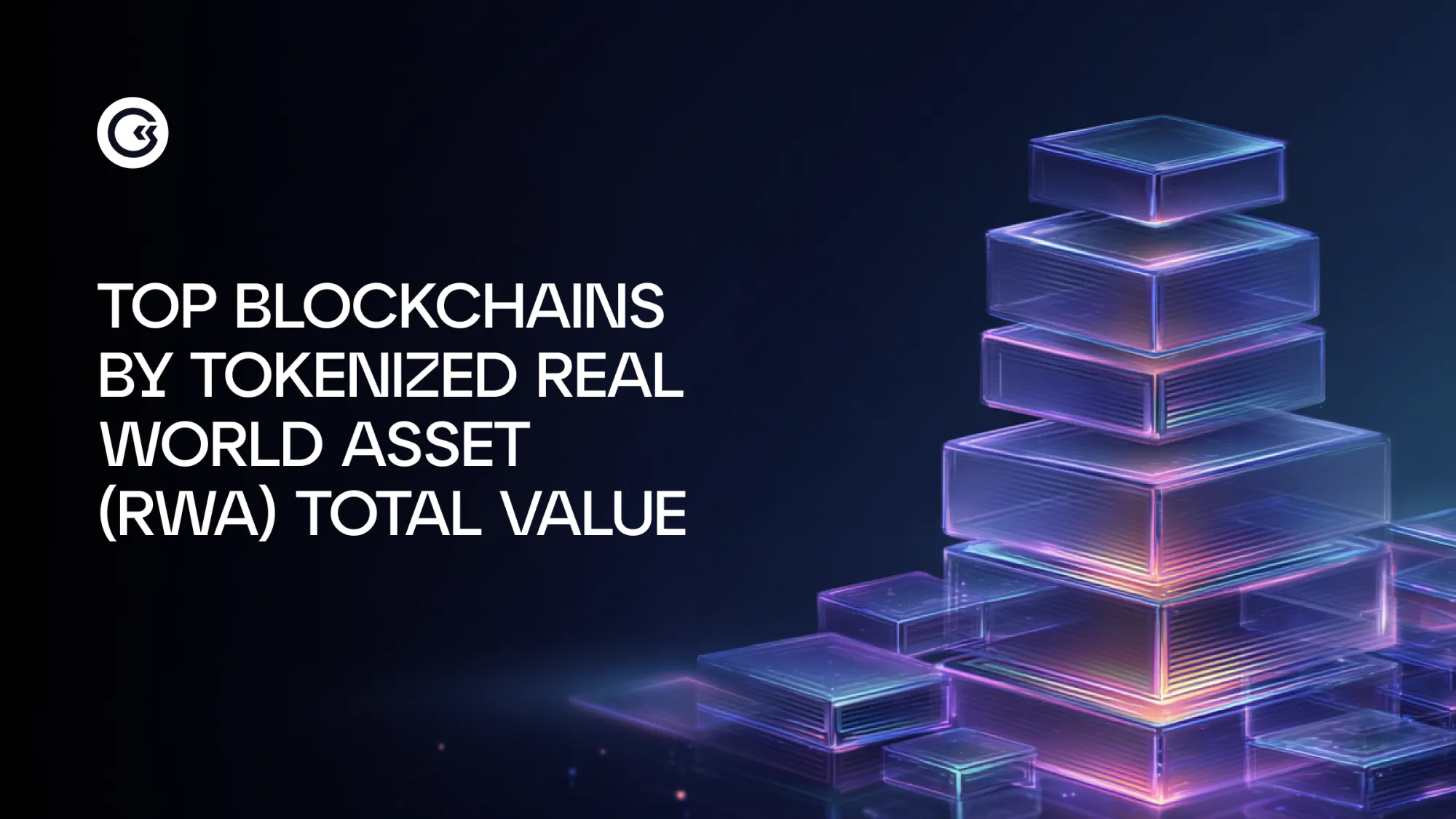
Use these dashboards to compare liquidity depths and yield rates. This helps you identify which protocols are attracting institutional capital and which are seeing retail interest.
On-Chain Verification
Finally, always verify claims with on-chain data. Tools like DeFiLlama or BaseScan allow you to check contract interactions and reserve audits. This step is crucial for ensuring that the tokenized asset actually exists and is properly backed.
Strategic Considerations for 2026
Building or deploying on Base RWA hubs requires navigating a complex intersection of blockchain mechanics and traditional finance regulations. The infrastructure is evolving rapidly, but the risks remain specific and often underestimated. This section outlines the critical due diligence steps for 2026, focusing on regulatory clarity and technical robustness.
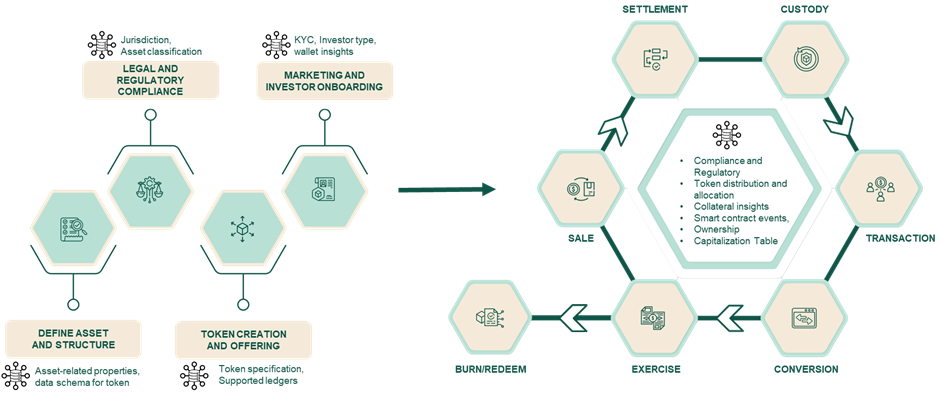
RWA protocols must comply with securities laws in the jurisdictions of their asset issuers and token holders. Ensure the protocol has clear legal wrappers and KYC/AML procedures. Look for explicit disclosures on how the protocol handles regulatory changes.
Smart contracts should undergo multiple independent audits from reputable firms. Check for any known vulnerabilities or recent exploits. Prioritize protocols with bug bounty programs and transparent disclosure of audit findings.
RWA valuation depends heavily on oracles. Verify that the protocol uses decentralized oracle networks with diverse data sources. Single-point failures in price feeds can lead to significant liquidations or arbitrage opportunities.
Liquidity is crucial for RWA tokens. Check the depth of order books on supported DEXs and centralized exchanges. Low liquidity can result in high slippage and price volatility, especially during market stress.
Governance determines how protocol changes are implemented. Look for transparent voting processes and clear quorum requirements. Decentralized governance can mitigate centralization risks but may lead to slower decision-making.
Use the
| Feature | Risk Level |
|---|---|
| Regulatory Compliance | High |
| Smart Contract Security | High |
| Oracle Reliability | Medium |
| Liquidity Depth | Medium |
| Governance | Low |
No comments yet. Be the first to share your thoughts!