Why Base leads the RWA DeFi wave
Base has emerged as the dominant chain for Real-World Asset (RWA) tokenization, bridging the gap between traditional finance and decentralized infrastructure. While Ethereum remains the settlement layer for high-value institutional assets, Base provides the cost-effective, high-throughput environment necessary for broader market participation. This distinction allows protocols to tokenize assets like treasury bills, real estate, and private credit without the prohibitive gas fees that often stifle smaller transactions on mainnet.
The ecosystem’s growth is driven by strategic partnerships with major financial infrastructure providers. Integrations with Chainlink for price feeds and MetaMask for seamless user onboarding have lowered the barrier to entry for both asset issuers and retail investors. This combination of low-cost infrastructure and institutional-grade connectivity creates a unique advantage. Protocols on Base can process thousands of tokenized asset transactions daily, enabling a more liquid and accessible secondary market. As the RWA ecosystem expands, Base’s architecture positions it as the primary hub for on-chain asset issuance and trading RWA.xyz.
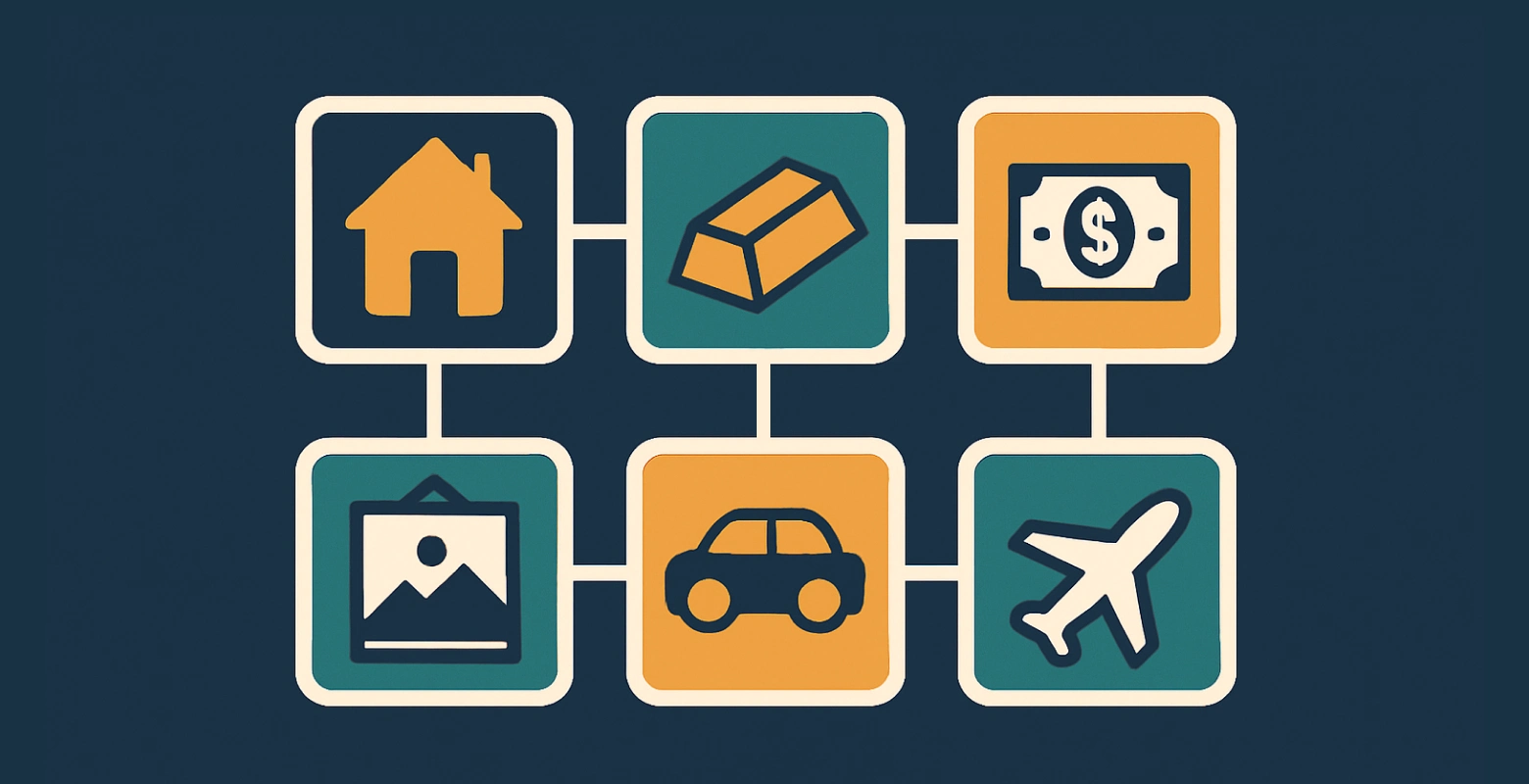
How to tokenize a real-world asset on Base
Tokenizing a real-world asset (RWA) on Base is a linear process that bridges physical value with blockchain liquidity. It requires strict legal structuring before any code is written. You must secure the asset, verify its authenticity, deploy compliant smart contracts, and provision liquidity.
This workflow follows the standard industry playbook for high-stakes financial tokenization.
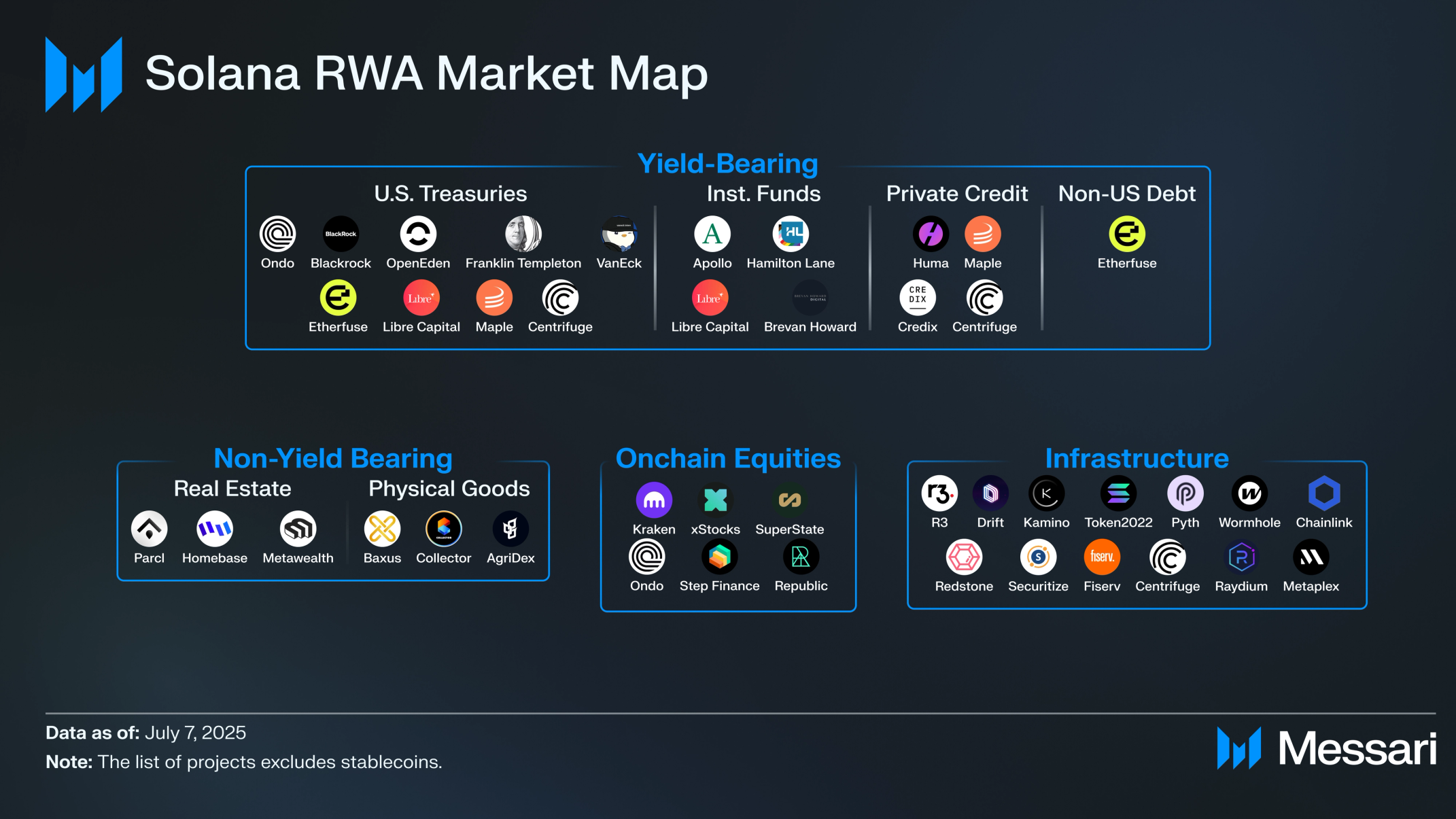
Before touching the blockchain, you must establish a legal wrapper. Real-world assets are not directly owned by the token; a Special Purpose Vehicle (SPV) holds the underlying asset. The token represents a claim on that SPV. This structure ensures that when you trade the token, you are trading a security or commodity interest, not the physical item itself. Consult a legal guide to real-world assets to map out U.S. or EU compliance requirements specific to your asset class. Without this step, your token is just a digital receipt with no legal backing.
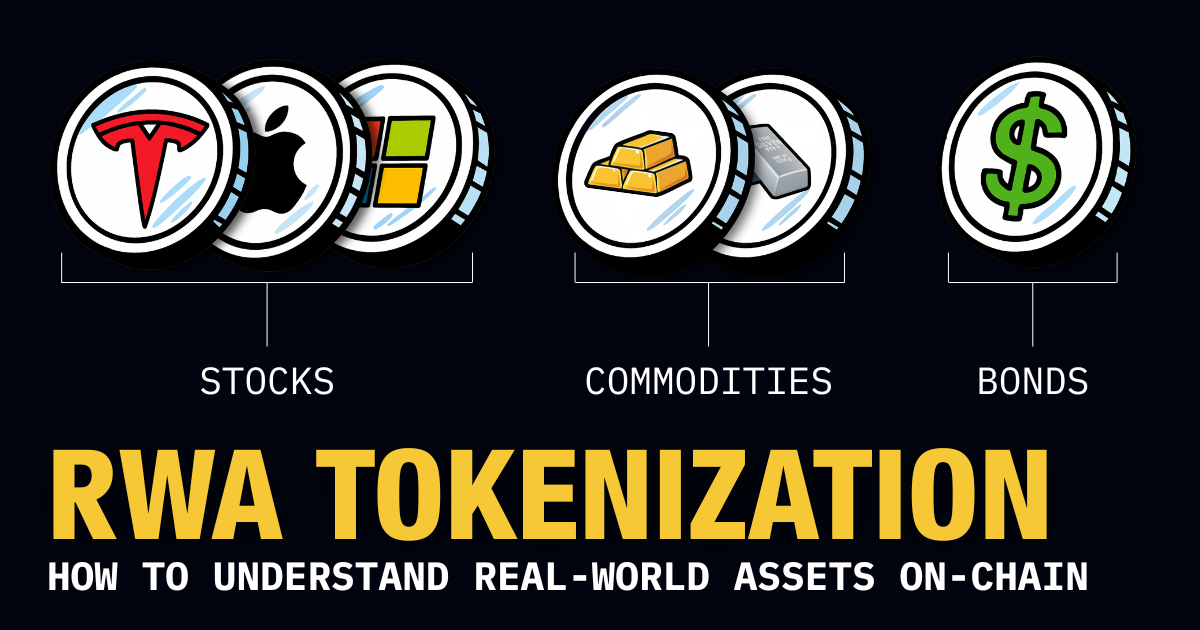
You must prove the asset exists and is held securely. This involves third-party audits, title transfers, or physical custody agreements. For example, if tokenizing real estate, the deed must be transferred to your SPV. If tokenizing gold, it must be stored in a recognized vault. This data is critical for the oracle feeds that will later report on-chain. Any gap in verification breaks the link between the token and the real world, exposing holders to fraud risk.
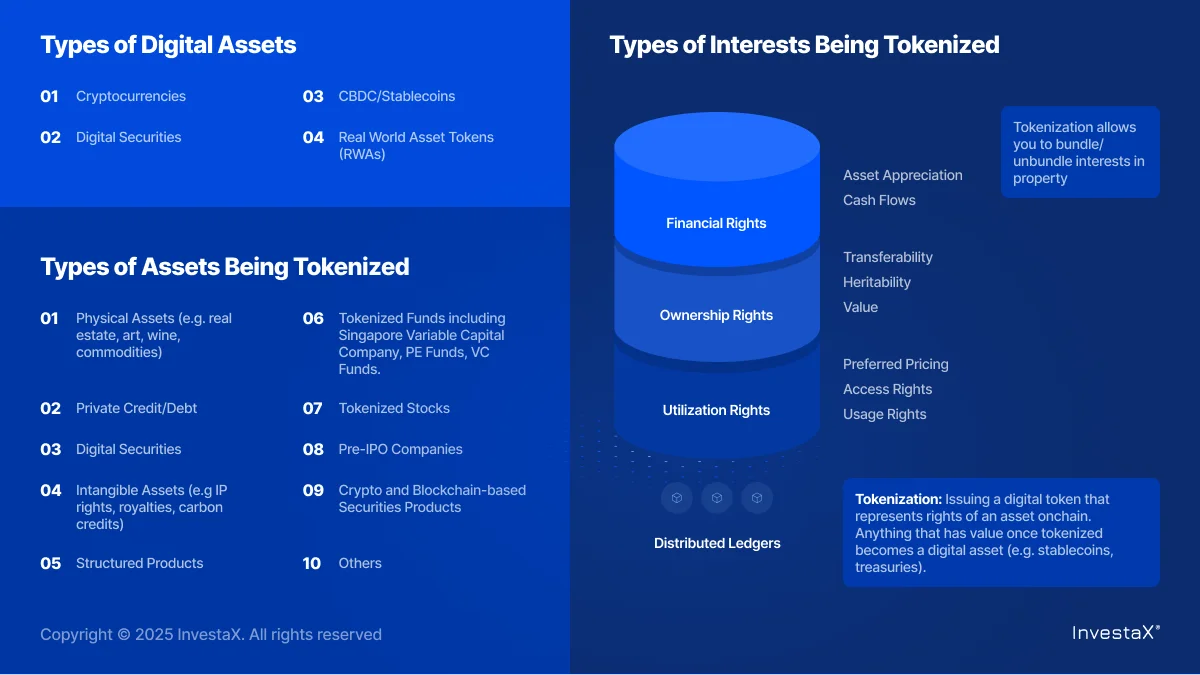
Deploy your ERC-3643 or ERC-20 token contracts on the Base network. Base is chosen for its low fees and Ethereum compatibility, making it ideal for high-volume trading. Your contracts must include transfer restrictions (whitelisting) to comply with the KYC/AML checks established in step one. Use verified source code on BaseScan to ensure transparency. This is where the digital twin of your asset is born, ready to receive value.
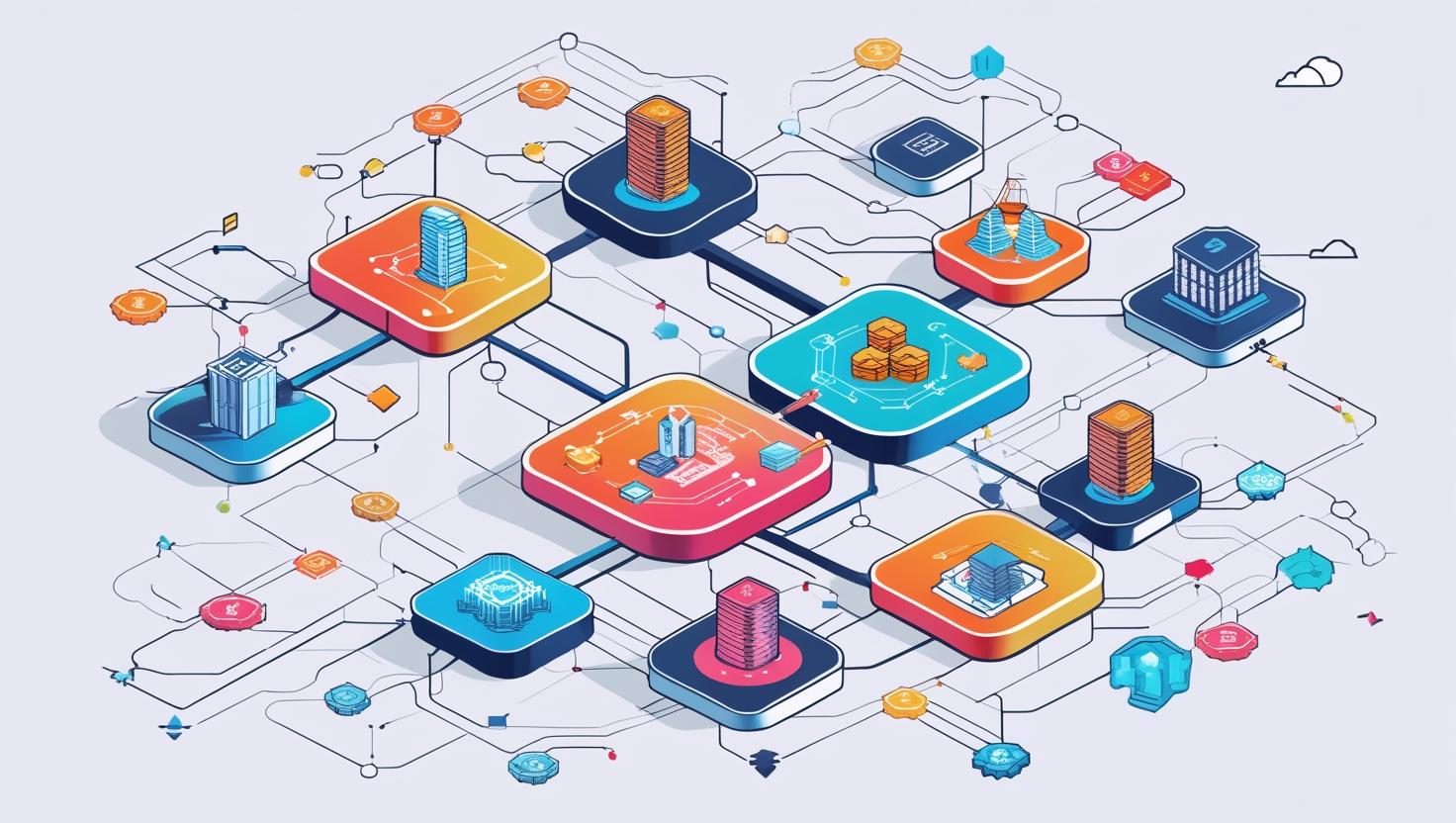
Connect your on-chain tokens to off-chain data using Chainlink or RedStone oracles. These feeds provide real-time price updates for the underlying asset, ensuring the token’s value reflects market conditions. For RWAs, this might mean linking to real estate indices or commodity spot prices. The oracle acts as the bridge, allowing DeFi protocols to accept your token as collateral by verifying its current worth automatically.
Finally, add liquidity to a decentralized exchange (DEX) on Base, such as Aerodrome or Uniswap. Pair your token with a stablecoin like USDC to enable trading. This step makes the asset accessible to investors. Monitor the liquidity pool depth to ensure traders can enter and exit positions without excessive slippage. Once live, your tokenized asset is fully integrated into the Base DeFi ecosystem.
Key infrastructure players on Base
Building a real-world asset (RWA) tokenization stack on Base requires connecting three distinct layers: the tokenization platform, the oracle network, and the custodial infrastructure. Each layer handles a specific part of the lifecycle, from legal structuring to on-chain price discovery. Choosing the right combination determines your compliance posture and liquidity access.
Tokenization platforms
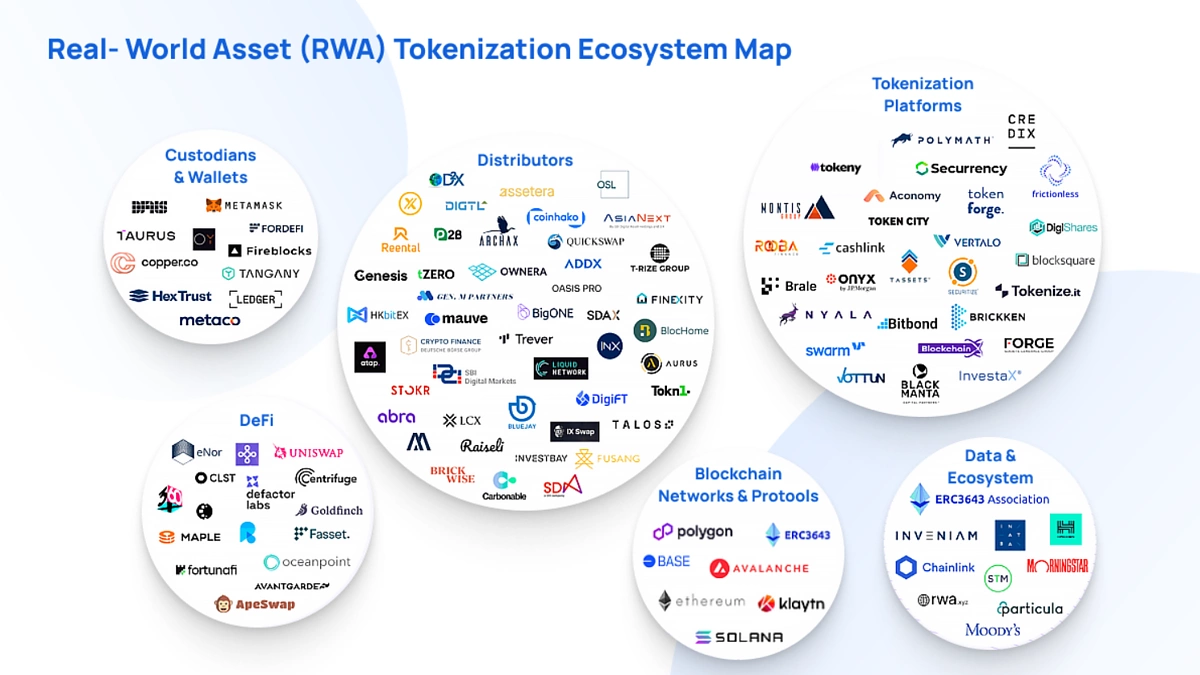
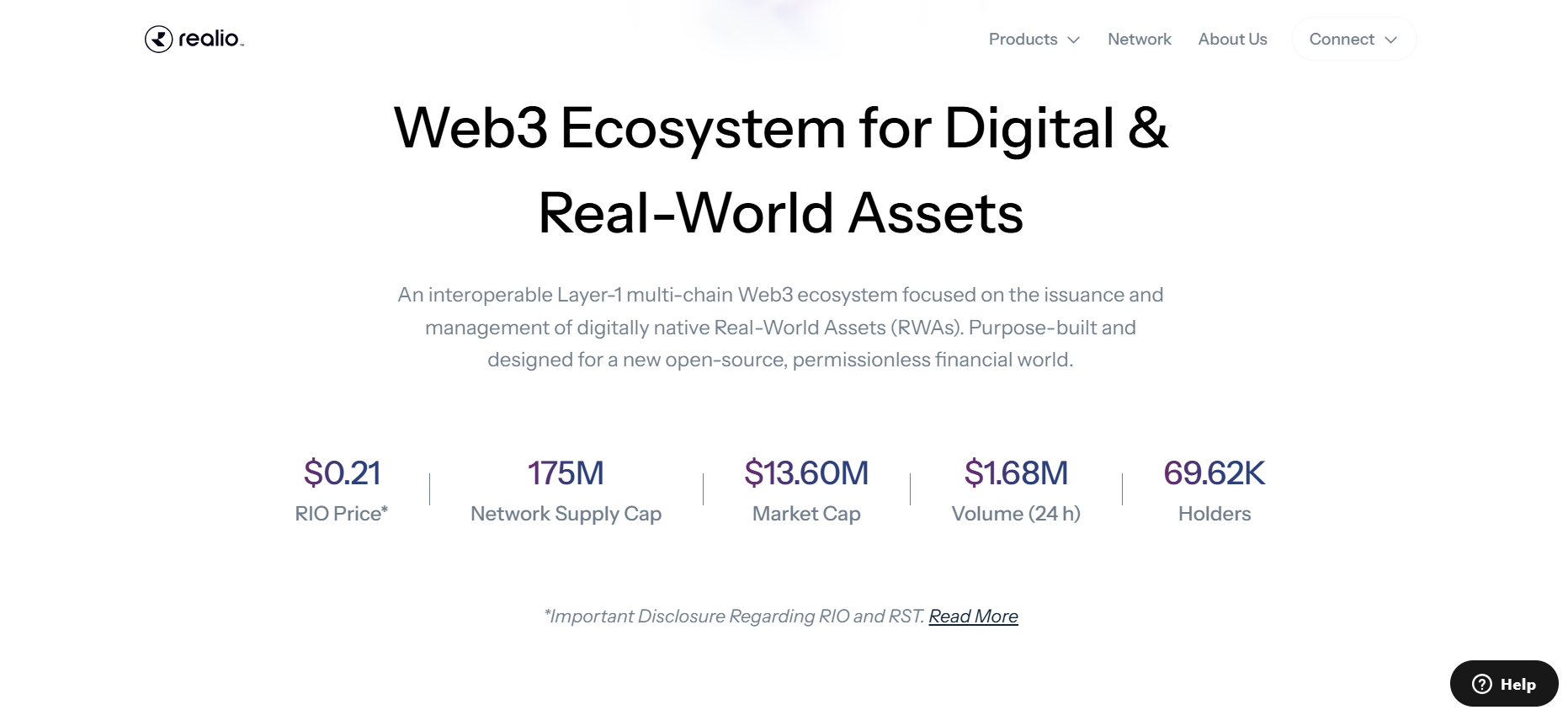
These protocols handle the issuance of ERC-3643 or ERC-1400 compliant tokens. They embed regulatory logic directly into the smart contract, ensuring that only verified wallets can hold or transfer the asset. On Base, platforms like Centrifuge and Realio are primary choices. Centrifuge focuses on invoice and real estate financing, while Realio offers a multi-chain tokenization engine. These platforms often include built-in KYC/AML checks, which is essential for high-stakes asset transfers.
Oracle networks
RWAs require external data to maintain their value on-chain. Chainlink is the standard oracle provider for this purpose. It feeds real-world data, such as interest rates or commodity prices, into Base smart contracts. Without a reliable oracle, the tokenized asset cannot accurately reflect the underlying physical or financial value. Chainlink’s price feeds are widely integrated into Base lending protocols, ensuring that collateral values remain accurate during market volatility.
Custodial and compliance layers
The bridge between traditional finance and DeFi is the custodian. Institutions require regulated entities to hold the underlying assets (e.g., treasury bills or real estate deeds). Maple Finance and Goldfinch operate on Base, connecting institutional capital with digital asset borrowers. Their compliance frameworks ensure that the off-chain assets are legally secured, while the on-chain tokens represent fractional ownership. This dual-layer structure is critical for maintaining legal integrity.
Comparing top Base RWA protocols
The table below compares the leading tokenization protocols active on Base. Use this to identify which stack aligns with your asset type and compliance needs.
| Protocol | Primary Asset Type | Compliance Feature | TVL (Approx.) |
|---|---|---|---|
| Centrifuge | Real Estate, Invoices | ERC-3643, KYC | $150M+ |
| Realio | Real Estate, Credit | Multi-chain, On-chain KYC | $50M+ |
| Maple Finance | Corporate Credit | Institutional, Private Pools | $200M+ |
| Goldfinch | Unsecured Credit | Staking, Reputation | $100M+ |
Legal and compliance requirements
Tokenizing real-world assets isn't just a technical exercise; it's a legal one. Because these tokens often represent ownership in tangible value, they attract the same regulatory scrutiny as traditional securities. Before you mint or trade, you need to understand the frameworks governing your jurisdiction.
In the United States, the Securities and Exchange Commission (SEC) is the primary gatekeeper. If your token gives holders a share in profits or voting rights, it’s likely a security. This means you must comply with registration exemptions or file full disclosures. The SEC has been explicit: the medium doesn't change the substance. A tokenized bond is still a bond.
Across the Atlantic, the EU's Markets in Crypto-Assets (MiCA) regulation provides a clearer, though still complex, roadmap. MiCA standardizes how asset-referenced tokens and e-money tokens are issued and traded. It requires issuers to maintain transparency reports and hold sufficient reserves. For RWA projects, this means stricter auditing and reporting obligations than you might find in decentralized, unregulated DeFi protocols.
Beyond securities law, you must implement robust KYC (Know Your Customer) and AML (Anti-Money Laundering) procedures. You can't let anonymous wallets hold title to a building. Integrate identity verification early in the workflow. This protects your project from being used for illicit finance and keeps regulators off your back.
Avoid common RWA DeFi pitfalls
Tokenizing real-world assets sounds straightforward, but the path from physical title to blockchain receipt is littered with traps. Even well-intentioned projects stumble on technical and regulatory hurdles that can freeze liquidity or trigger compliance violations. Understanding these risks before you deploy capital is non-negotiable.
Oracle manipulation
RWA tokenization relies heavily on oracles to bridge off-chain data with on-chain smart contracts. If the oracle feed is compromised or delayed, the token’s value can decouple from the underlying asset instantly. Chainlink’s decentralized oracle networks are the industry standard for mitigating this risk, providing tamper-resistant price feeds that are essential for maintaining trust in tokenized assets. Always verify that the protocol uses reputable, decentralized oracle sources rather than single-point-of-failure price feeds.
Liquidity fragmentation
Unlike native cryptocurrencies, RWAs often face thin liquidity because they are spread across multiple chains and platforms. This fragmentation makes it difficult to exit positions quickly without significant slippage. Before investing, check the depth of liquidity pools on each supported chain. If the asset is locked in a niche DEX with low volume, you may find yourself unable to sell even if the underlying asset remains valuable.
Regulatory missteps
The regulatory landscape for RWAs is still evolving, and non-compliance can lead to frozen funds or legal action. Ensure the tokenization platform adheres to local securities laws and KYC/AML requirements. Projects that ignore these frameworks risk having their tokens delisted or blocked by regulators. Stick to platforms that publish clear legal opinions and maintain transparent compliance records.
Final checklist for Base RWA participation
Before you commit capital to Base RWA hubs, verify your setup against these four critical points. This workflow ensures you are aligned with the tokenization standards outlined by Chainlink.
-
Wallet supports Base network
-
KYC completed with issuer
-
Smart contract audited
-
Oracle data verified
Skipping these steps exposes you to regulatory gaps and technical failures. Consult the Legal Guide to Real-World Assets to ensure your structure complies with current U.S. and EU rules before trading.
Frequently asked questions about Base RWA
Is tokenizing real estate on Base legal?
Tokenizing real estate on Base is legal, but it is heavily regulated. You must comply with securities laws in your jurisdiction, such as the SEC’s rules in the U.S. or MiCA in the EU. The token itself is a security, not a property deed, and you need a legal wrapper to enforce ownership rights. Always consult a qualified attorney before issuing or trading tokenized assets.
How do I buy tokenized assets on Base?
You cannot buy most tokenized assets on open decentralized exchanges like Uniswap. These assets are often restricted to accredited investors or require KYC. You typically buy them through registered security token platforms or private sales. Once purchased, you hold the tokens in a self-custody wallet like MetaMask.
What are the fees for RWA transactions on Base?
Base is a Layer 2 network with low gas fees, usually under $0.01 per transaction. However, RWA platforms may charge higher fees for onboarding, KYC, or asset management. These platform fees are separate from blockchain gas. Always check the specific fee schedule of the issuer or platform before transacting.
Can I use Base for fractional ownership of physical assets?
Yes. Base is a common choice for fractionalizing assets like real estate, art, or commodities. Each token represents a share of the underlying asset. Smart contracts automate dividend distributions or profit sharing. This allows smaller investors to access high-value assets that were previously out of reach.
No comments yet. Be the first to share your thoughts!