Why Base leads RWA tokenization
Real-world assets (RWAs) are physical or traditional financial assets—like treasury bills, real estate, or commodities—represented as digital tokens on a blockchain. Tokenization converts these illiquid holdings into liquid, programmable units that can be traded, fractionalized, and settled instantly. For institutional capital, the appeal isn't speculation; it's efficiency. RWAs reduce settlement times from days to seconds and open access to markets previously restricted by high minimums or geographic barriers.
Base has emerged as the leading Layer 2 network for this infrastructure, primarily due to its direct integration with Coinbase. With over 100 million verified users on Coinbase, Base offers a seamless onboarding path for institutional and retail participants alike. This bridge between centralized finance (CeFi) and decentralized finance (DeFi) is critical for RWA adoption, where regulatory compliance and user accessibility are non-negotiable. The network’s low transaction fees and high throughput make it economically viable to tokenize small-value assets, a feat often cost-prohibitive on more congested chains.
Institutional adoption is accelerating. Major financial entities are leveraging Base’s EVM compatibility and security model to launch RWA-focused protocols. The network’s design prioritizes stability and compliance, aligning with the risk-averse nature of traditional finance. This environment fosters trust, encouraging institutions to deploy capital without fearing the volatility or technical friction common in other ecosystems.
The following chart illustrates the liquidity and activity trends on Base, reflecting the growing confidence in its RWA infrastructure.
Core infrastructure for tokenization
Launching a real-world asset (RWA) on Base requires a stack that bridges traditional finance compliance with blockchain efficiency. Tokenization is the process of converting rights to an asset into a digital token on a blockchain. This allows for fractional ownership and 24/7 trading, but it demands rigorous technical safeguards to ensure legal validity and security.
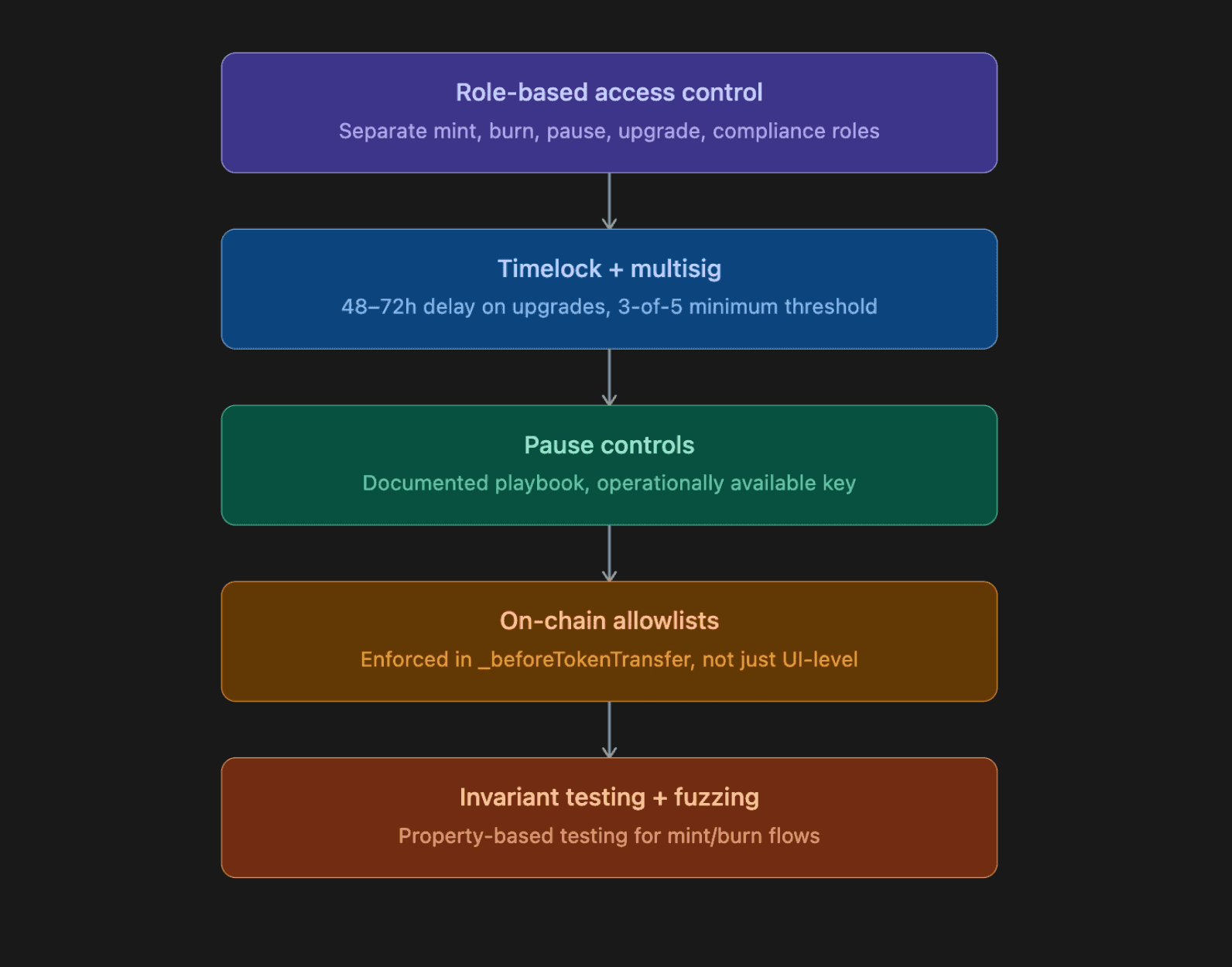
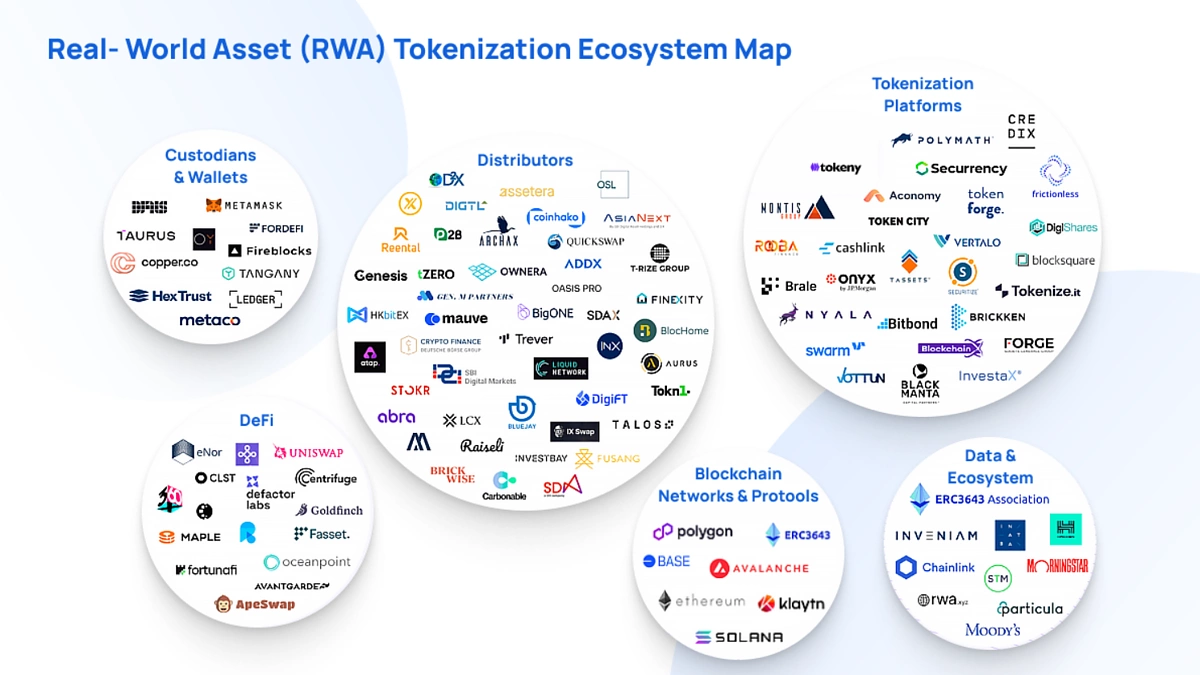
The foundation is the token standard. ERC-3643 (T-REX) is the leading standard for regulated assets on Base, as it embeds identity checks directly into the token contract. This ensures that only verified wallets can hold or transfer the asset, satisfying KYC/AML requirements at the protocol level. For less restrictive assets, ERC-20 remains common, but it lacks native compliance features.
Oracles and custody solutions complete the stack. Oracles like Chainlink provide off-chain data, such as asset valuations or interest rates, to the on-chain contract. Custody providers like Fireblocks or Copper secure the underlying real-world assets, ensuring that the token’s value is backed by tangible holdings. Without these, the token is merely a speculative claim rather than a secured financial instrument.
When selecting infrastructure, consider how these components interact. A robust setup integrates compliance checks, data feeds, and secure custody into a single workflow. This reduces operational risk and ensures that the tokenized asset remains compliant with evolving regulations.
| Provider | Type | Primary Focus |
|---|---|---|
| Centrifuge | Platform | Real estate & invoices |
| Goldfinch | Protocol | Unsecured credit |
| Maple | Protocol | Institutional lending |
Legal structures and compliance
Tokenizing real-world assets isn't just a technical feat; it's a legal minefield. If the underlying asset isn't structured correctly, the tokens representing it can be classified as unregistered securities. This distinction determines whether your project thrives or faces immediate regulatory shutdown. You aren't just moving data on a blockchain; you are digitizing ownership rights that are already heavily regulated in traditional finance.
The most common vehicle for this is the Special Purpose Vehicle (SPV). An SPV is a separate legal entity created to hold the underlying asset—whether it's a piece of real estate, a private equity stake, or a commodity. By isolating the asset in an SPV, you create a clear legal bridge between the off-chain world and the on-chain token. When you buy the token, you are effectively buying a share of the SPV, which holds the rights to the asset. This structure provides bankruptcy remoteness, meaning if the issuer fails, the asset remains safe within the SPV, protected from the issuer's creditors. Without this structure, token holders have no clear legal claim to the underlying value.
Compliance isn't optional; it's the foundation. Know Your Customer (KYC) and Anti-Money Laundering (AML) checks are mandatory for any platform dealing with RWA tokens. Unlike anonymous DeFi protocols, RWA platforms must verify the identity of every investor. This isn't just about preventing crime; it's about adhering to securities laws that require transparency. Regulatory bodies like the SEC in the US or the FCA in the UK expect clear audit trails. If you can't prove who owns your tokens and where their funds came from, you aren't building a compliant financial product—you're building a liability.
Strategic entry points for investors
Accessing yields on Base requires choosing between direct ownership of tokenized assets and indirect exposure through DeFi protocols. Each path carries different risk profiles, liquidity characteristics, and regulatory implications. Understanding the infrastructure behind these entry points helps investors align their strategies with their risk tolerance and legal constraints.
Direct ownership involves purchasing tokens that represent a claim on a real-world asset, such as treasury bills or real estate. On Base, this typically means buying ERC-20 tokens issued by specific RWA projects. This approach offers transparency into the underlying asset but requires due diligence on the issuer’s legal structure and custody arrangements. Investors hold the token directly in their wallet, assuming counterparty risk if the issuer fails to deliver on asset backing.
DeFi protocols on Base allow investors to earn yields by providing liquidity or staking assets linked to RWA pools. Instead of holding the tokenized asset directly, investors deposit stablecoins or ETH into a protocol that invests in RWA products. This method offers diversification across multiple underlying assets but introduces smart contract risk. The yield is often derived from the spread between the RWA return and the protocol’s borrowing rate.
Exiting an RWA position on Base depends on the entry method. Direct token holders can sell on decentralized exchanges if the token is listed, though liquidity may be thin for niche assets. DeFi protocol users typically withdraw their deposited assets, but some protocols impose lock-up periods or early withdrawal penalties. Investors should review the protocol’s terms and the token’s trading volume before committing capital to ensure a viable exit path.
Essential Tools and Resources
Interacting with Base RWA hubs requires more than just a standard crypto wallet. You need infrastructure that supports ERC-3643 or other compliant token standards, which often involve identity checks or transfer restrictions. Using a generic wallet without these capabilities can leave you unable to send or receive your RWA tokens.
Hardware Wallets for Secure Storage
For significant holdings, hardware wallets provide an offline layer of security. This is particularly important for RWA tokens, which represent tangible value like real estate or treasury bills. If your private keys are compromised, your investment is gone. We recommend looking into devices that explicitly support Base and ERC-20 tokens.


As an Amazon Associate, we may earn from qualifying purchases.
Block Explorers and Analytics
Transparency is non-negotiable in regulated finance. You should verify every transaction on a block explorer. BaseScan is the primary explorer for the Base network, allowing you to track token transfers, contract interactions, and gas fees. For deeper analytics, tools like DeFiLlama can help you understand the total value locked in specific RWA protocols.
Launch Checklist for Base RWA Projects
Before moving assets on-chain, builders must verify that legal, technical, and strategic components are aligned. Tokenization converts real-world value into digital tokens, but it requires rigorous preparation to avoid regulatory friction or technical failure. Use this ordered checklist to ensure your Base RWA project is ready for launch.
Obtain a formal legal opinion confirming your token structure complies with SEC regulations and state laws. This document defines the legal status of the token and protects the issuer from unintended securities violations. Without this, regulatory bodies can shut down your project immediately.
Engage a reputable auditor to review your Base smart contracts for vulnerabilities. Audits identify critical bugs in the token logic or oracle integration that could lead to fund loss. Never launch without a public audit report from a recognized firm.
Connect your contracts to trusted oracles like Chainlink to fetch real-world data. Oracles bridge the gap between off-chain asset performance and on-chain token value. Ensure the oracle network is decentralized to prevent single-point failures or manipulation.
Outline how tokens will be distributed to investors and users. Decide on vesting schedules, liquidity pool allocations, and secondary market listing plans. A clear strategy prevents market dumping and ensures long-term stability for the token price.
Implement KYC/AML checks for token holders if required by your legal opinion. Use compliant gateways to restrict access to accredited investors where necessary. This step ensures your platform adheres to financial regulations while maintaining security.
Launching an RWA on Base is not just a technical deployment; it is a legal and financial commitment. By following this checklist, you reduce risk and build a foundation for sustainable growth in the real-world asset ecosystem.
No comments yet. Be the first to share your thoughts!