Why Base Leads RWA Tokenization
Base has rapidly become the preferred layer-2 network for real-world asset (RWA) tokenization, driven by its unique position within the Coinbase ecosystem. Unlike generic L2s, Base offers a direct pipeline to millions of verified Coinbase users, lowering the barrier to entry for both issuers and investors. This integration transforms tokenization from a niche crypto activity into a viable channel for traditional finance.
The economic case is equally compelling. Base’s low transaction fees make it feasible to tokenize smaller, fractional assets that would be cost-prohibitive on Ethereum mainnet. For RWAs, where margins can be thin, minimizing gas costs is critical for scalability. Combined with full EVM compatibility, Base allows developers to deploy existing smart contracts without significant rewrites, accelerating time-to-market.
This infrastructure creates a flywheel effect: low fees attract issuers, Coinbase integration attracts users, and user activity justifies further development. As the RWA sector matures, Base’s combination of cost efficiency, regulatory clarity, and built-in distribution makes it the strongest foundation for tokenized assets.
Top infrastructure hubs for tokenized assets
Base has evolved from a simple L2 into a primary settlement layer for real-world assets. The infrastructure here focuses on bridging traditional finance compliance with on-chain liquidity. These hubs don't just hold tokens; they manage the issuance, verification, and trading mechanics that make RWAs viable at scale.
The ecosystem is dominated by specialized protocols that handle different parts of the asset lifecycle. Some focus on money market integration, others on compliance frameworks, and a few on broad liquidity aggregation. Understanding their specific roles helps you navigate where capital is actually flowing.
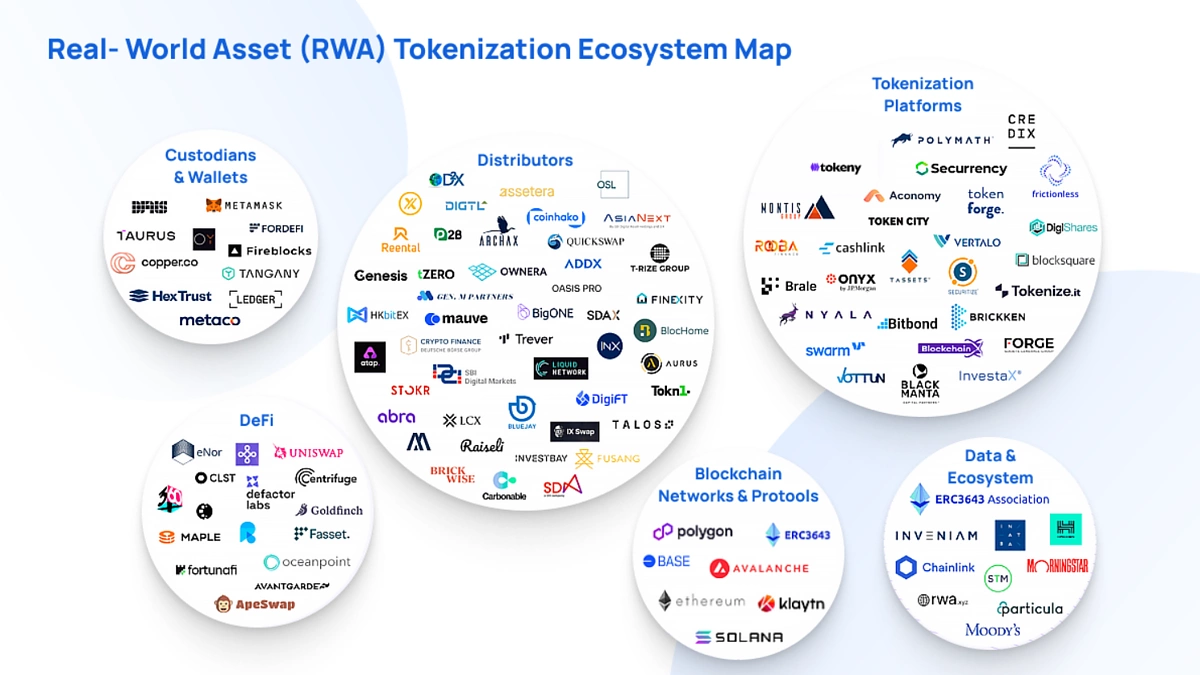
Centrifuge
Centrifuge is the foundational layer for many Base-based RWA strategies. It allows creators to tokenize off-chain assets like invoices or real estate and convert them into digital tokens. These tokens are then used as collateral in lending markets, bringing real yield to DeFi participants. Its integration with Aave and other lending protocols makes it a critical source of liquidity for asset-backed loans.
Ondo Finance
Ondo Finance specializes in bringing institutional-grade products to retail and prosumer wallets. On Base, it primarily facilitates access to tokenized U.S. Treasuries and money market funds. The platform handles the complex legal structures required to hold these assets, allowing users to earn yield that tracks traditional safe rates without leaving the crypto ecosystem. This makes it a key hub for stable, low-volatility RWA exposure.
Maple Finance
Maple Finance operates as a capital marketplace for institutions and sophisticated borrowers. It uses smart contracts to manage credit risk, allowing borrowers to raise funds against their creditworthiness rather than just overcollateralization. On Base, Maple provides a venue for institutional RWAs to access deep liquidity pools, offering higher yields than traditional money markets while maintaining rigorous underwriting standards.
Clearpool
Clearpool focuses exclusively on uncollateralized institutional lending. It connects borrowers with verified credit profiles to a decentralized pool of capital. By removing the need for overcollateralization, Clearpool unlocks liquidity for assets that traditional DeFi cannot handle. Its Base presence offers a transparent, on-chain ledger for institutional-grade debt, bridging the gap between private credit and public markets.
Superstate
Superstate simplifies the issuance of tokenized money market funds. It provides the infrastructure for fund managers to create regulated funds that can be traded on-chain. This reduces the friction and cost associated with traditional fund structures. On Base, Superstate enables seamless integration of these funds into DeFi strategies, offering a compliant path for yield-seeking capital.
| Protocol | Primary Asset Type | Key Feature | Base Integration |
|---|---|---|---|
| Centrifuge | Invoices, Real Estate | Asset origination & tokenization | Deep Aave integration |
| Ondo Finance | U.S. Treasuries | Institutional yield products | Direct wallet access |
| Maple Finance | Institutional Debt | Uncollateralized lending | Credit-based pools |
| Clearpool | Uncollateralized Debt | Verified credit profiles | Transparent ledger |
| Superstate | Money Market Funds | Regulated fund issuance | Seamless DeFi composable |
Essential tools for RWA developers
Building on Base means leveraging a stack designed for speed and low cost, but the real complexity lies in connecting digital tokens to physical reality. You aren't just writing smart contracts; you are building a bridge between off-chain data and on-chain value. The technical architecture requires three distinct layers: the token standard, the oracle network, and the compliance framework.
Token Standards and Asset Representation
ERC-20 remains the workhorse for fungible assets like tokenized debt or fractionalized real estate, but ERC-3643 (T-REX) is gaining traction for regulated assets. It embeds identity checks directly into the token contract, ensuring that only verified wallets can hold or transfer the asset. On Base, the low gas fees make implementing these stricter standards economically viable, which was often prohibitive on older, more congested chains.
For non-fungible representations, such as a specific piece of machinery or a unique art collection, ERC-721 or ERC-1155 provide the necessary structure. The key is ensuring the metadata stored on IPFS or Arweave is immutable and clearly links the token to the physical item's provenance. Base's EVM compatibility means these standards work out of the box without needing custom bridges or wrappers.
Oracle Solutions for Data Integrity
A tokenized asset is only as trustworthy as the data backing it. Oracles are the critical infrastructure that feeds off-chain information—like interest rates, asset valuations, or shipping status—into your smart contracts. Chainlink is the dominant player here, offering decentralized oracle networks that aggregate data from multiple sources to prevent manipulation.
For RWA specifically, you need oracles that can handle structured financial data as well as unstructured physical verification. Some newer solutions are beginning to integrate IoT sensors, allowing a smart contract to automatically adjust token value or trigger payments based on real-time physical conditions, such as temperature in a cold-storage facility. This reduces the need for manual audits and increases the efficiency of the asset lifecycle.
Compliance and Identity Layers
Technical tools are useless if they don't meet regulatory requirements. Base supports various identity protocols, such as World ID or Polygon ID, which allow you to build "permissioned" pools. These pools restrict participation to KYC/AML-verified users, making the tokens compliant with securities laws in jurisdictions like the US or EU.
Integrating these identity layers directly into your dApp's frontend ensures that users cannot interact with the contract unless they have passed verification. This approach shifts compliance from a post-hoc legal review to a pre-hoc technical constraint, significantly reducing legal risk for developers and investors alike.
Market strategy for 2026 RWA adoption
Entering the Base RWA ecosystem requires a shift from speculative token launches to infrastructure-first deployment. In 2026, success hinges on leveraging Base’s specific technical advantages: low transaction costs, Coinbase’s institutional integration, and EVM compatibility. For institutions and developers, the strategy is less about finding a new chain and more about optimizing for liquidity depth and regulatory clarity within an existing ecosystem.
Focus on assets with clear legal frameworks and established secondary markets. Real estate, private credit, and treasury bills offer the most predictable cash flows for tokenized structures. Avoid experimental or highly volatile underlying assets, as institutional capital demands stability and transparent yield generation.
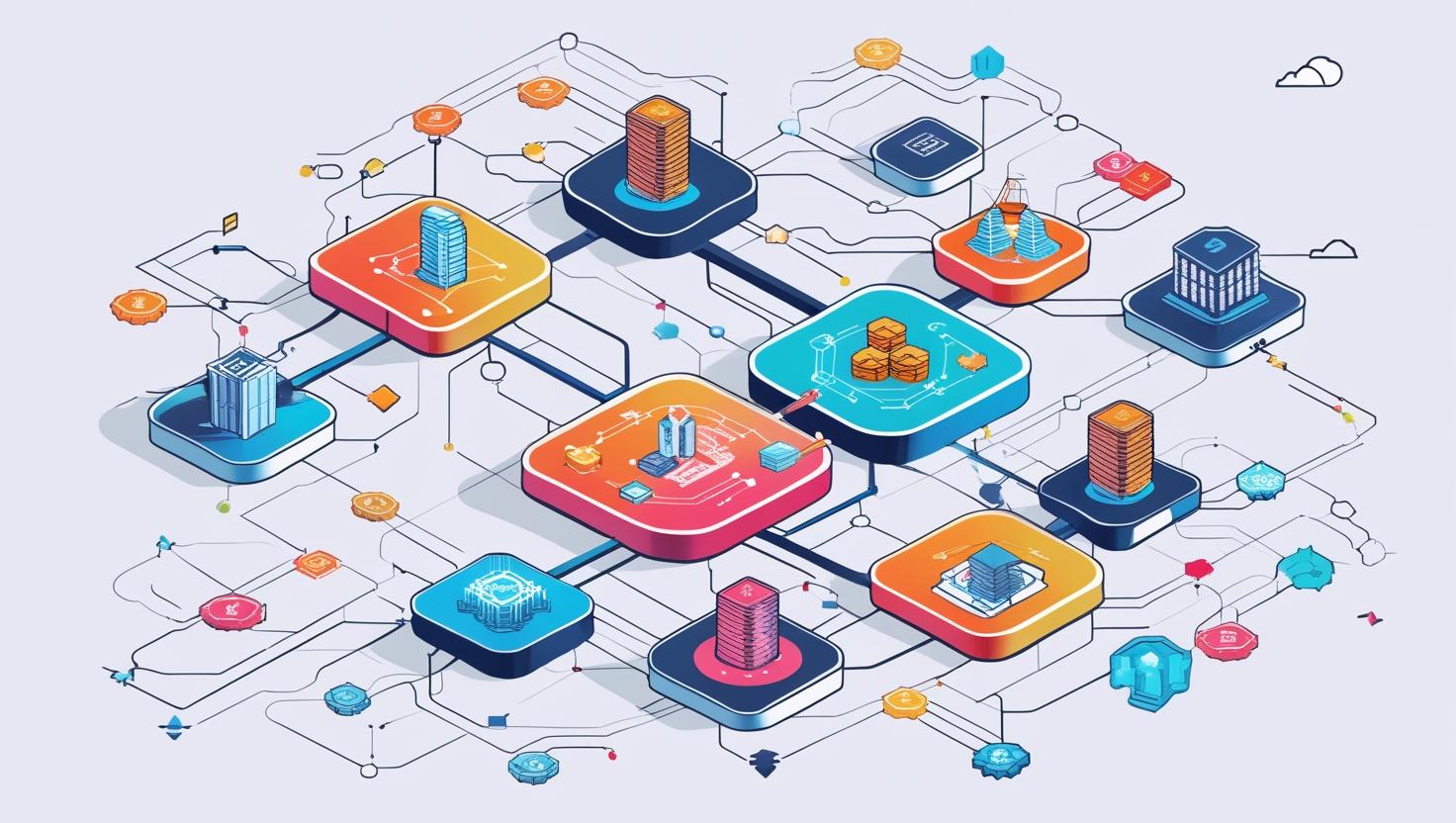
Base’s connection to Coinbase provides a direct path to institutional investors who already use the platform for traditional trading. Utilize Base’s infrastructure for its speed and cost-efficiency, but design your tokenomics to integrate with existing custodial solutions. This reduces friction for traditional finance (TradFi) entities looking to enter DeFi without rebuilding their compliance stack from scratch.

Adopt a "compliance-by-design" approach. Implement on-chain identity verification (KYC/AML) at the protocol level rather than as an afterthought. This aligns with the increasing regulatory scrutiny on RWA platforms and builds trust with institutional partners who require audit trails and investor accreditation checks.
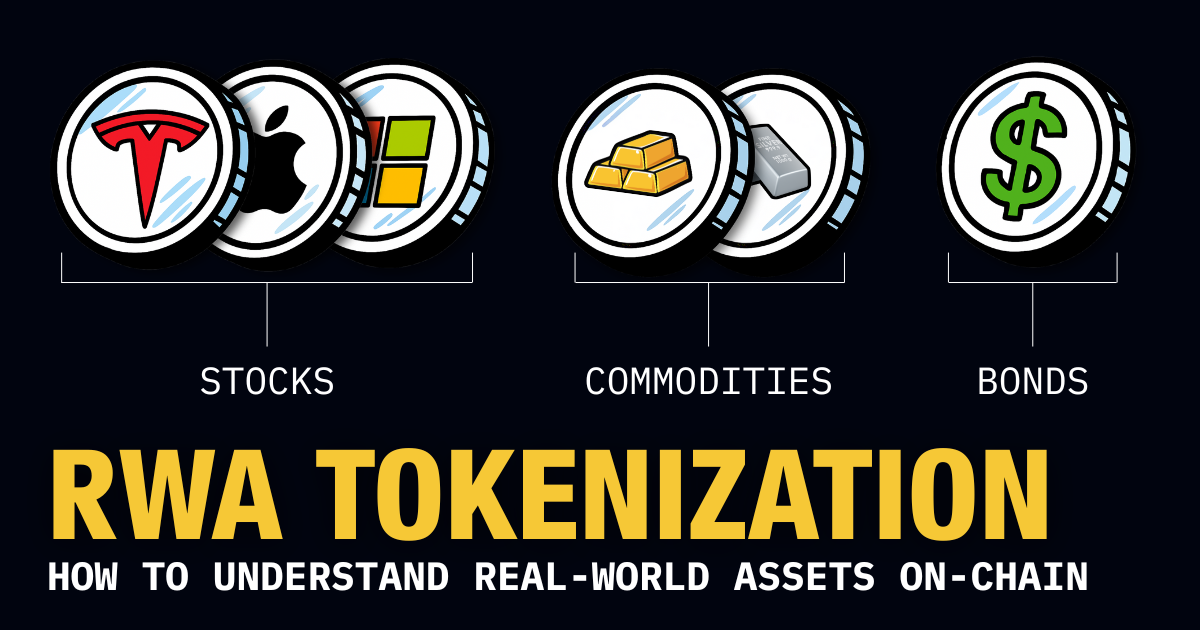
Ensure your tokenized assets can move across multiple chains and DeFi protocols. Base is part of a broader multi-chain ecosystem; locking assets solely to Base limits liquidity. Use standards that allow for easy bridging or wrapping, enabling your assets to participate in lending markets and yield strategies across the wider DeFi landscape.
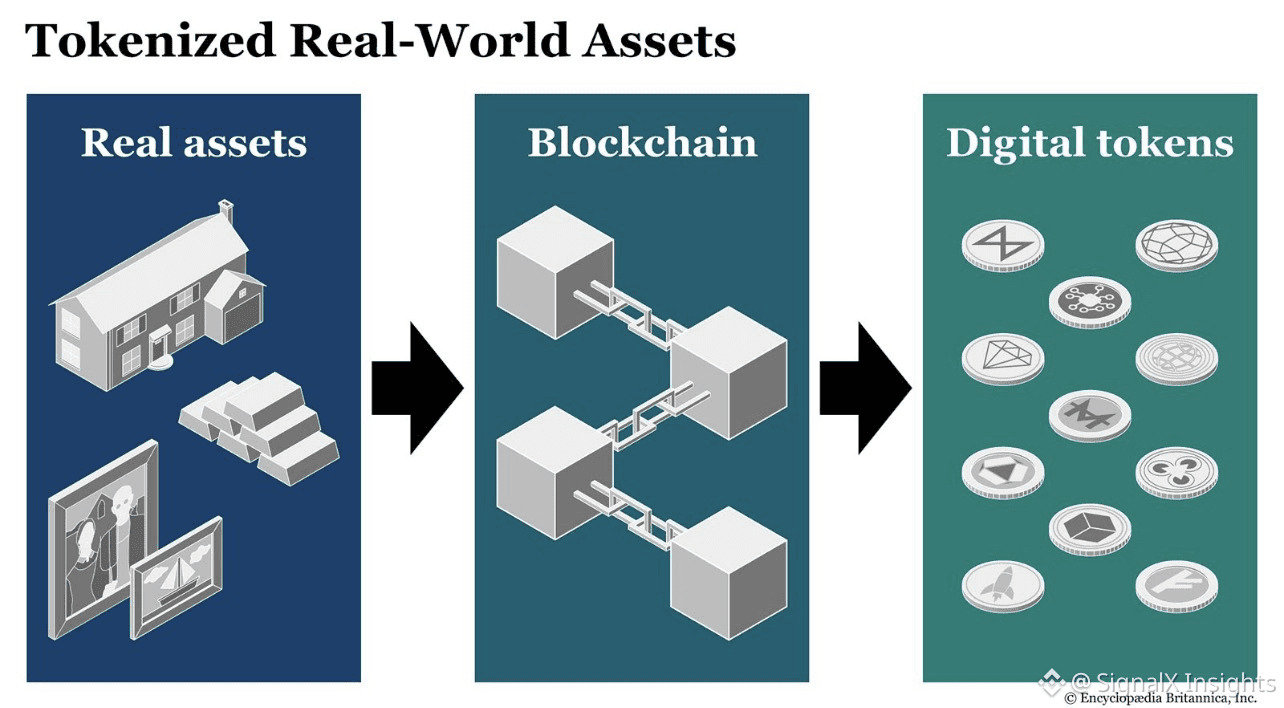
RWA tokenization is heavily regulated. Engage legal experts early to navigate securities laws in key jurisdictions like the US and EU. Structure your smart contracts to reflect these legal boundaries, ensuring that token holders have clear rights and that the underlying asset ownership is legally enforceable.
Tracking RWA performance on Base
Monitoring Real-World Asset (RWA) performance on Base requires shifting your focus from isolated token prices to the underlying protocol health and liquidity flows. Because RWAs are backed by tangible assets, their on-chain metrics often behave differently than volatile meme coins or standard ERC-20 tokens. You need to track where the capital is moving and how efficiently it is being utilized within the ecosystem.
Start by observing the native asset, ETH, on Base. Since most RWA protocols on Base are built as lending markets or liquidity hubs, the health of the underlying base layer directly impacts borrowing costs and yield stability. A rising ETH price on Base typically signals increased confidence in the network's infrastructure, which often precedes new RWA integrations. You can monitor this baseline health using live data tools to see real-time price action and network activity.
Beyond the base layer, focus on the specific RWA tokens themselves. Look for stablecoin supply growth on Base, as this often indicates fresh capital entering the ecosystem to purchase tokenized assets. High trading volume in RWA-specific pools suggests active secondary markets, which is critical for liquidity. If you see stagnant volume despite high yields, it may signal a lack of trust or accessibility issues within the hub. Keep an eye on official protocol dashboards for accurate, real-time data on these metrics.
Helpful gear
Use these product recommendations as a starting point, then choose the size, material, and price point that fit how you actually use the gear.

As an Amazon Associate, we may earn from qualifying purchases.
No comments yet. Be the first to share your thoughts!