Why Base leads RWA tokenization
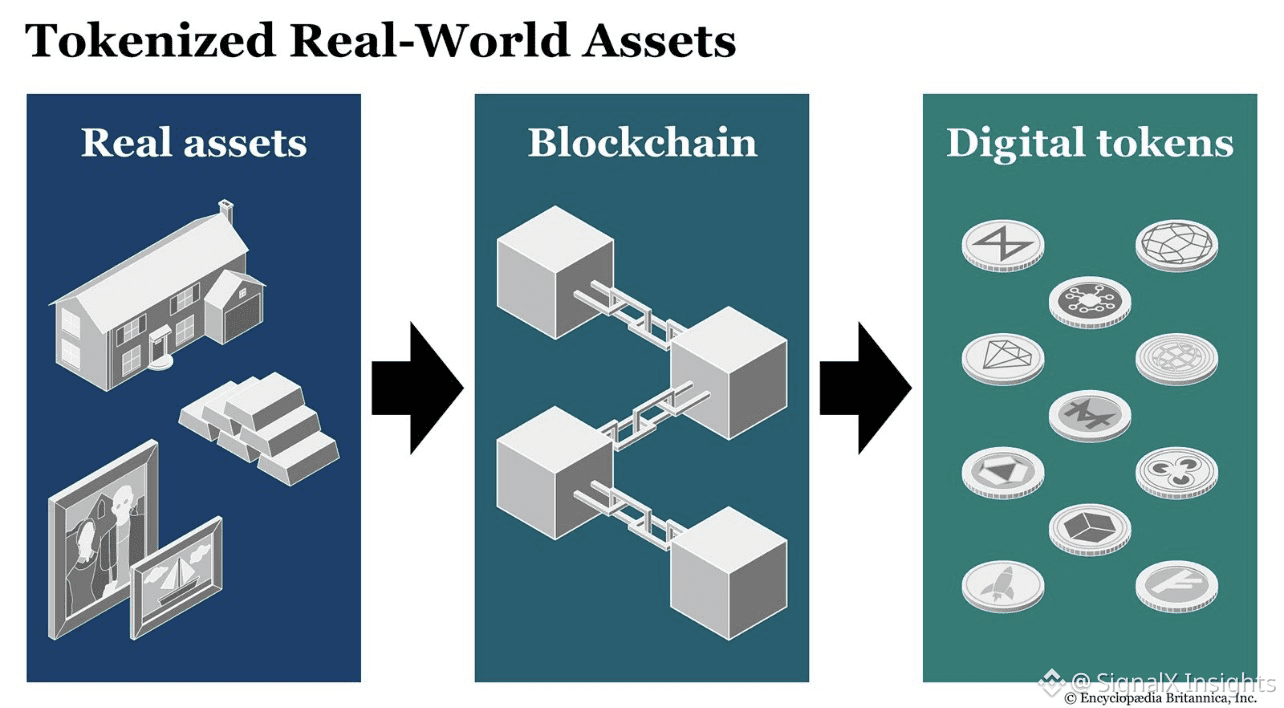
Real-world assets (RWAs) are digital tokens that represent physical and traditional financial assets, such as currencies, commodities, equities, and real estate. The goal is to merge the speed and utility of DeFi with the safety and stability of traditional finance. Base has emerged as a primary layer-2 network for this convergence, driven by its low transaction costs, deep integration with Coinbase, and growing institutional interest.
Base’s fee structure is a major advantage for tokenizing RWAs, which often involve smaller, high-frequency transactions or micro-investments. Low gas fees make it economically viable to tokenize assets that would be too expensive to move on Ethereum mainnet. This cost efficiency is critical for institutional players who need to manage large volumes of transactions without eroding margins.
Coinbase’s integration provides a direct on-ramp for millions of retail users and a trusted identity layer for institutions. This accessibility lowers the barrier to entry for RWA adoption, allowing traditional assets to reach a broader audience. The network’s security, backed by Ethereum’s settlement layer, adds a layer of trust that is essential for financial-grade applications.
Institutional interest is growing as major financial players recognize the potential of tokenized assets to improve liquidity and efficiency. Base’s ecosystem is becoming a hub for these initiatives, offering the infrastructure needed to scale RWA projects. The combination of technical capability, user access, and institutional trust positions Base as a leader in the RWA space.
Leading RWA infrastructure hubs on Base
The Base ecosystem has rapidly become a primary layer for real-world asset tokenization, offering a balance of low gas fees and high throughput that suits complex financial instruments. Rather than relying on a single monolithic platform, the network supports a diverse set of specialized protocols. Each hub handles a specific slice of the RWA lifecycle, from legal structuring to secondary market liquidity.
Here are the top infrastructure hubs currently powering this sector on Base.
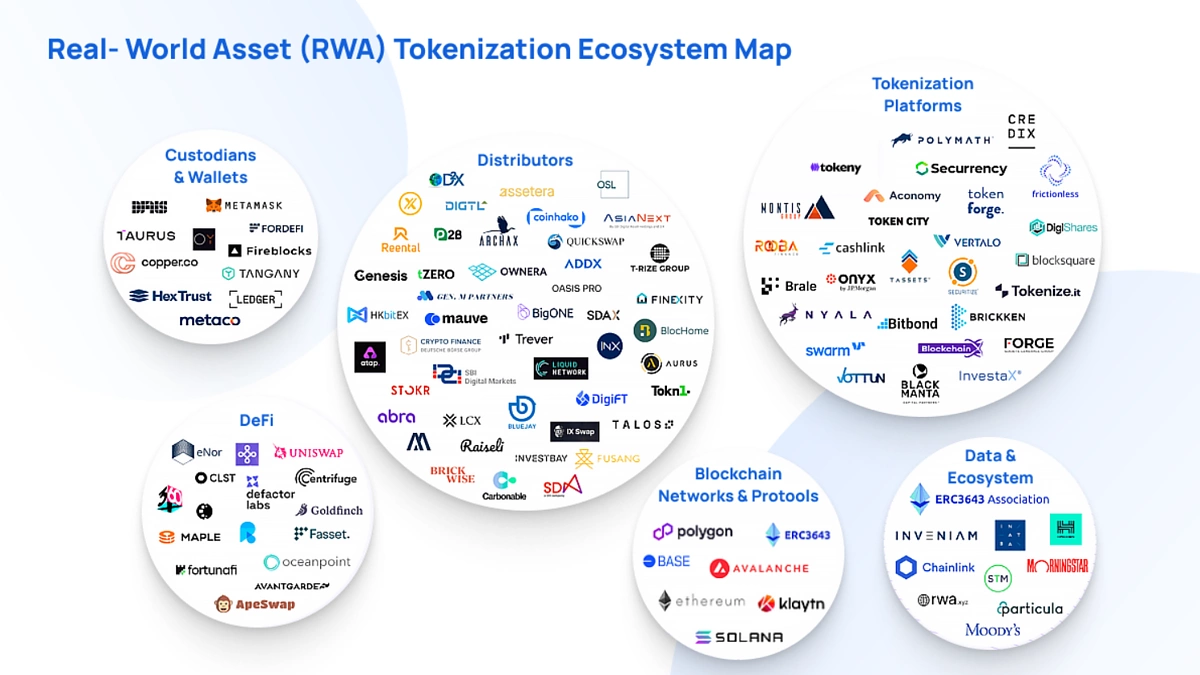
Centrifuge
Centrifuge operates as the foundational infrastructure layer for tokenized assets on Base. It provides the necessary tools for originators to issue tokens backed by real-world cash flows, such as invoices, real estate, or trade finance. Instead of just listing assets, Centrifuge manages the entire pipeline, including legal compliance and investor onboarding, allowing other DeFi protocols to access these yields without handling the underlying complexity.
MakerDAO
MakerDAO serves as the primary liquidity sink for tokenized real-world assets. By accepting RWAs as collateral, Maker allows protocols to mint DAI against these holdings, effectively bridging traditional credit markets with decentralized finance. On Base, this creates a direct path for institutional-grade assets to enter the DeFi economy, providing deep liquidity for stablecoin generation while maintaining rigorous risk management standards.
Ondo Finance
Ondo Finance focuses specifically on bringing institutional-grade US Treasury yields on-chain. They tokenize short-term US Treasuries, allowing Base users to earn yield that tracks traditional government debt without leaving the blockchain. This hub is particularly important for users seeking low-volatility, regulated exposure to traditional finance, acting as a bridge that simplifies the complex process of holding and trading tokenized bonds.
Goldfinch
Goldfinch distinguishes itself by enabling uncollateralized lending for emerging market businesses. Rather than requiring crypto collateral, it uses a pool-and-stake model where senior lenders are protected by a reserve fund, while junior lenders take on more risk for higher yields. This structure allows real-world businesses in developing economies to access capital, creating a unique RWA product that doesn't rely on hard asset collateral.
Comparison of Top Base RWA Hubs
| Protocol | Primary Asset Type | Yield Source | Key Function |
|---|---|---|---|
| Centrifuge | Invoices, Real Estate, Trade Finance | Business Cash Flows | Tokenization Infrastructure |
| MakerDAO | Diverse RWAs (incl. Treasuries) | Interest Rates | Liquidity & Collateral |
| Ondo Finance | US Treasuries | Government Bond Yields | Institutional Yield Access |
| Goldfinch | Emerging Market Loans | Lending Interest | Uncollateralized Credit |
Essential tools for RWA developers
Building RWA products on Base requires a different technical stack than standard DeFi. You aren't just moving code; you are bridging physical reality to digital ledgers. This means your infrastructure must handle identity, cross-chain settlement, and reliable data feeds with higher scrutiny.
Oracles and Data Feeds
RWAs depend on real-world data. If a token represents a treasury bill or a piece of real estate, the blockchain needs to know its status. Chainlink is the standard here. Their CCIP (Cross-Chain Interoperability Protocol) allows you to move data and tokens securely between Base and other chains where the underlying assets might be registered. Without this, you can't settle transactions across the fragmented blockchain landscape.
Identity Verification (KYC/AML)
You cannot tokenize an asset without knowing who owns it. Unlike anonymous DeFi, RWA requires Know Your Customer (KYC) and Anti-Money Laundering (AML) checks. Tools like Chainlink Functions can pull in off-chain verification results. You might use a provider like Sumsub or Onfido to verify a user, then write that result on-chain as a non-transferable credential. This keeps your token compliant without exposing personal data publicly.
Token Standards
Base supports ERC-20, but RWAs often need more. ERC-3643 (T-REX) is a popular choice for security tokens. It allows you to embed compliance rules directly into the token contract. If a wallet fails a KYC check, the contract can automatically block transfers. This is essential for institutional investors who need to know that only verified participants can hold the asset.
Positioning Tokenized Assets for Liquidity and Yield
Successful RWA products don't just sit on the chain; they integrate into existing liquidity pools while maintaining strict regulatory boundaries. The core strategy involves bridging traditional finance compliance with DeFi efficiency. You need to ensure that the tokenized asset can move freely between regulated custodians and decentralized exchanges without triggering compliance alerts.
Start by selecting the right infrastructure for investor acquisition. Most serious RWA platforms now offer whitelisted wallets that automatically enforce KYC/AML checks at the smart contract level. This means you can offer DeFi-like yields to accredited investors without manually vetting every transaction. The key is choosing a platform that supports fractional ownership, allowing smaller capital commitments while maintaining the underlying asset's legal structure.
Liquidity is the biggest hurdle for tokenized real-world assets. To address this, position your product as a yield-generating instrument within established DeFi protocols. For example, tokenized Treasury bills can be used as collateral in lending markets, creating a secondary market for liquidity. This approach transforms static assets into active capital, appealing to both traditional investors seeking yield and DeFi users looking for stable, compliant collateral.
Launching an RWA on Base: A Practical Checklist
Deploying a real-world asset (RWA) on Base requires more than just smart contracts; it demands a bridge between physical reality and on-chain liquidity. Use this checklist to ensure your infrastructure is compliant, transparent, and ready for market.
Before touching code, establish the legal wrapper. RWAs represent tangible assets, so you need a clear legal entity (like a SPV) that holds the underlying asset and issues the tokens. Ensure your jurisdiction aligns with Base’s decentralized nature while satisfying local securities laws.
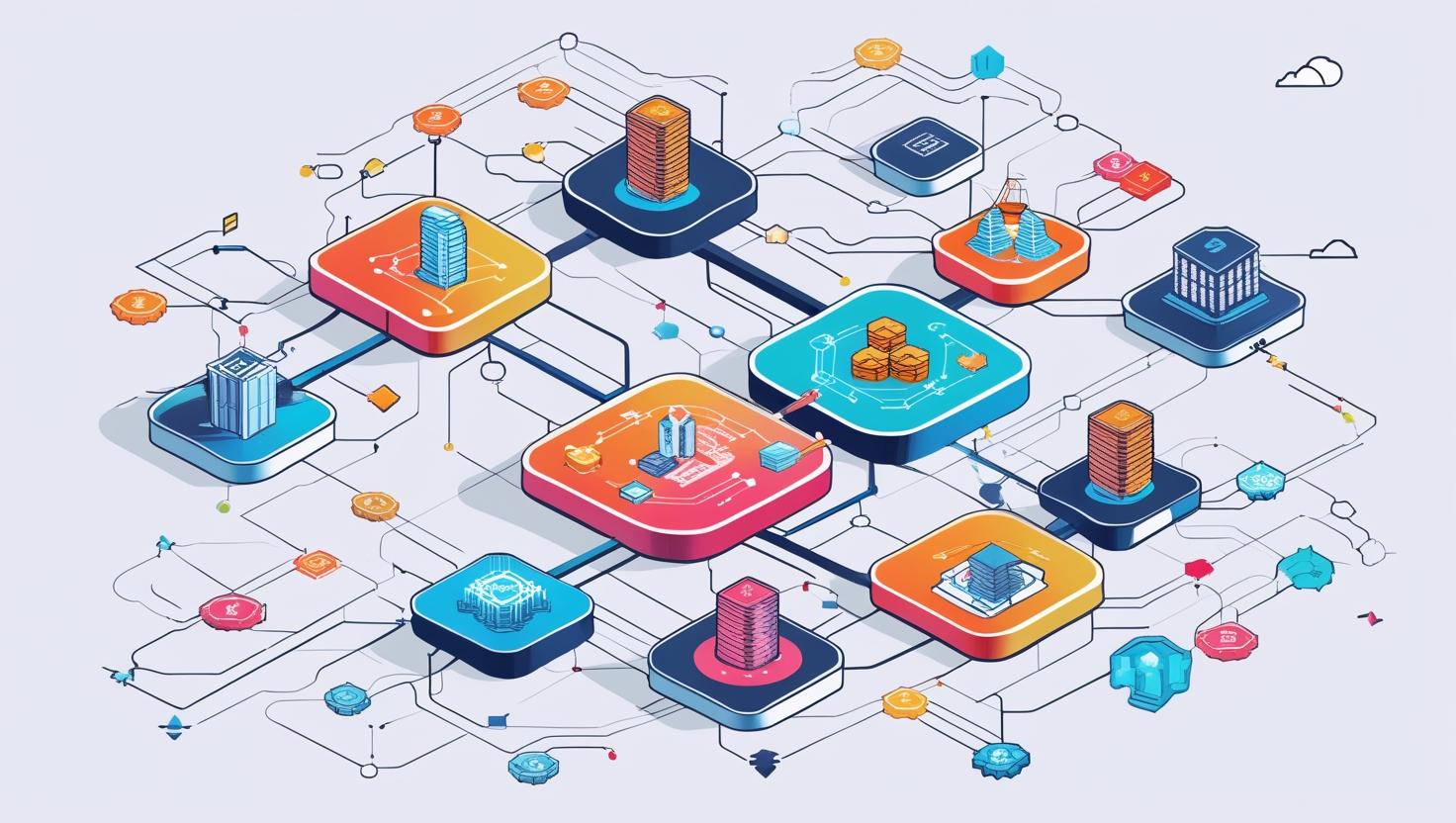
Price feeds must reflect real-world values, not just crypto volatility. Integrate a trusted oracle like Chainlink to feed accurate, tamper-proof data from off-chain sources onto the Base blockchain. This step is critical for maintaining the peg between your token and the asset it represents.
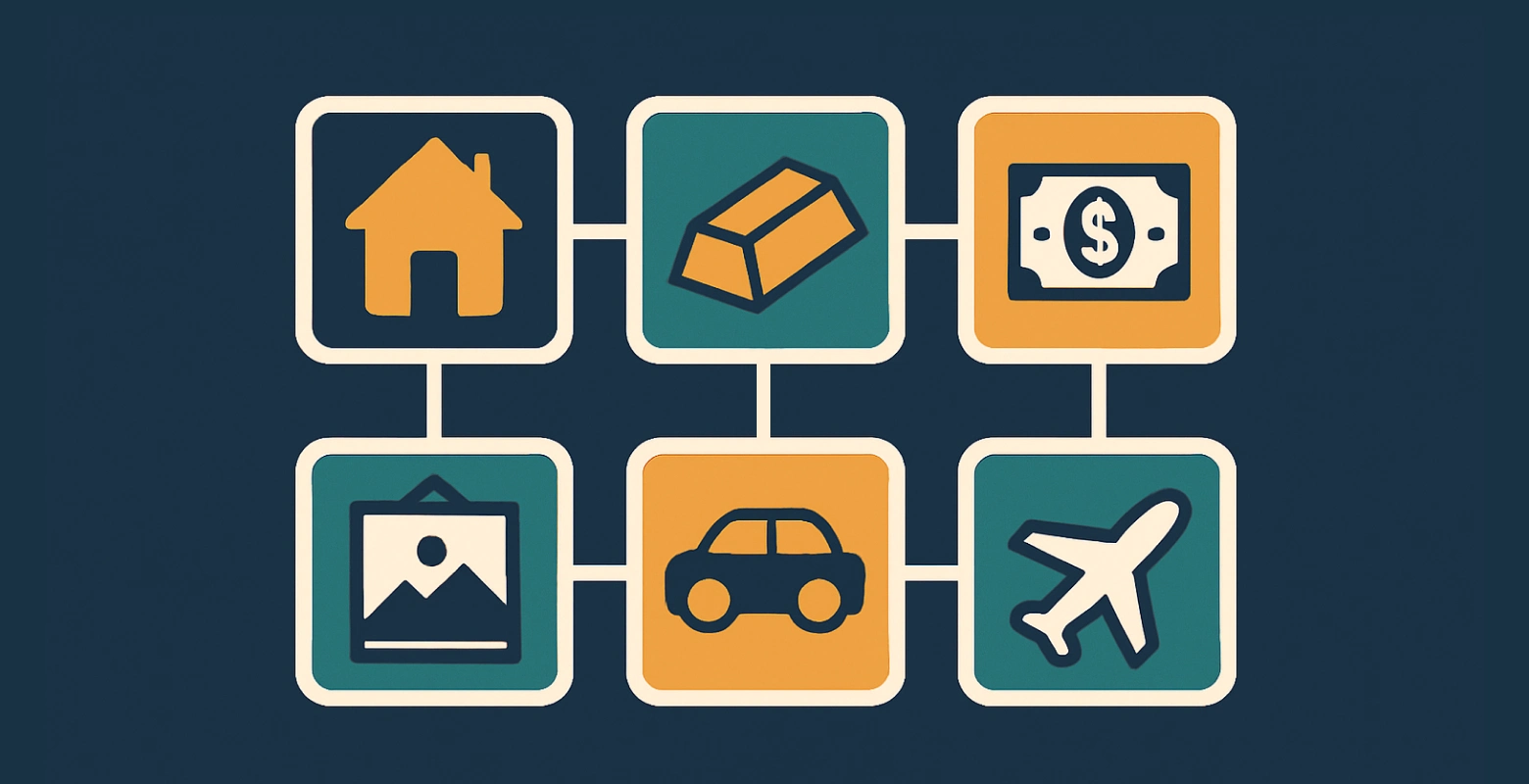
Write and audit your ERC-3643 or ERC-1400 compliant contracts. These standards enforce transfer restrictions, ensuring only verified wallets can hold your RWA. Conduct a rigorous security audit to prevent exploits, as the value tied to physical assets is often higher than speculative tokens.
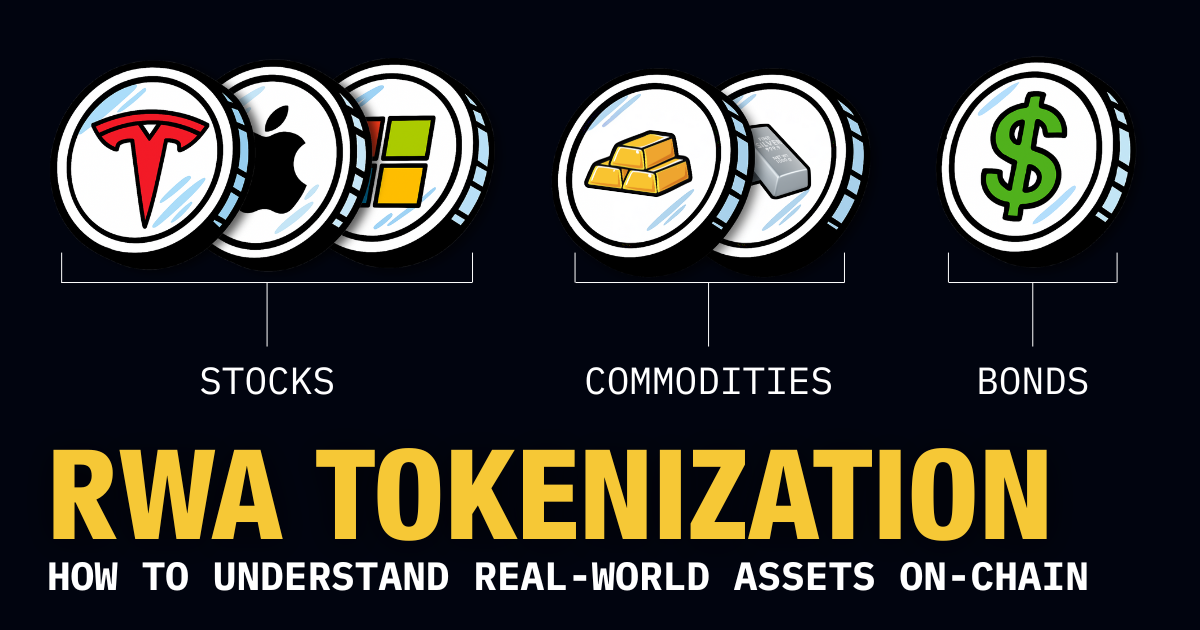
Connect your token to Base-native DEXs like Aerodrome or Uniswap. Provide initial liquidity to ensure traders can enter and exit positions without severe slippage. Consider using stablecoin pairs to reduce volatility risk during the early trading phase.
Embed identity verification directly into the contract or via a dedicated identity layer. This ensures that only accredited or verified investors can participate, protecting your project from regulatory backlash and maintaining the integrity of the RWA ecosystem.
Helpful gear
Use these product recommendations as a starting point, then choose the size, material, and price point that fit how you actually use the gear.

As an Amazon Associate, we may earn from qualifying purchases.
No comments yet. Be the first to share your thoughts!