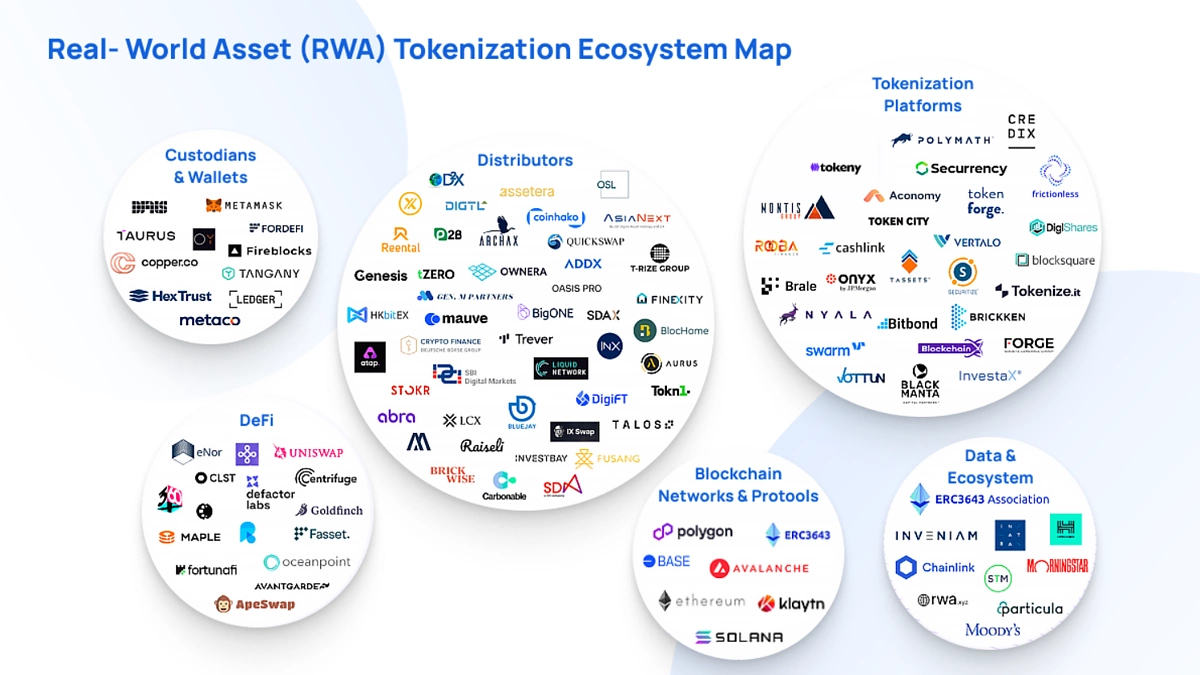
Why Base Leads RWA Tokenization
Base has emerged as the primary chain for Real World Asset (RWA) tokenization, driven by its unique combination of low transaction fees, deep integration with Coinbase, and growing institutional interest. Unlike older networks burdened by high gas costs, Base offers the cost-efficiency necessary for fractionalizing assets like real estate or private credit, where small transaction sizes would otherwise be eaten up by fees.
The chain's connection to Coinbase provides a direct on-ramp for traditional finance participants who are already familiar with the exchange's interface. This integration lowers the barrier to entry for institutional players looking to tokenize assets, creating a natural ecosystem where tokenized credits and commodities can be issued, traded, and settled with minimal friction.
Institutional activity on Base is accelerating, with protocols focusing on compliant tokenization of traditional financial instruments. As the RWA sector matures, Base's infrastructure is becoming the standard for projects that require both regulatory compliance and seamless user experience.
The growth in Total Value Locked (TVL) within Base's RWA protocols reflects this momentum. According to CoinGecko, the tokenization of real-world assets is reshaping global finance by bringing traditional assets on-chain, and Base is at the center of this shift.
Leading RWA Protocols on Base
Base has rapidly become a hub for Real-World Asset (RWA) protocols, particularly those focused on tokenized credit and private markets. These platforms bridge traditional finance with DeFi by representing assets like private debt and trade finance as on-chain tokens. This section highlights the most prominent protocols facilitating this infrastructure on Base.
The following table compares key metrics of leading RWA protocols. Note that TVL and APY are dynamic and subject to change.
| Protocol | Asset Type | TVL | APY |
|---|---|---|---|
| Ondo Finance | Tokenized Treasuries | $1.2B | 5.2% |
| Centrifuge | Real Estate & Credit | $450M | 4.8% |
| Maple Finance | Institutional Credit | $300M | 6.5% |
| Goldfinch | Unsecured Credit | $150M | 7.1% |
Ondo Finance
Ondo Finance leads the charge in bringing tokenized U.S. Treasuries to Base. By issuing products like USDY and OUSG, it allows users to earn yield from government debt directly on-chain. This protocol is a primary example of how traditional fixed-income assets can be integrated into DeFi liquidity pools.
Centrifuge
Centrifuge focuses on real-world credit, enabling small businesses and real estate developers to access capital through tokenized assets. On Base, it facilitates the creation of unique collateral pools, such as invoices or real estate loans, providing a steady stream of yield for liquidity providers.
Maple Finance
Maple Finance operates as a multi-tranche credit protocol, connecting institutional borrowers with DeFi liquidity. Its presence on Base allows for the tokenization of private credit, offering higher yields than traditional savings accounts while maintaining strict underwriting standards for borrowers.
Goldfinch
Goldfinch pioneers unsecured credit on the blockchain. By using a staking mechanism to protect liquidity providers, it enables borrowing without collateral. This model is particularly effective for emerging market projects and small businesses that lack traditional crypto collateral but have strong cash flows.
Investing in these protocols carries significant risk. Smart contract vulnerabilities, regulatory changes, and asset default risks are inherent. Always conduct your own due diligence and consider consulting a financial advisor before allocating capital to RWA tokens.
Infrastructure for tokenized credit
Bringing off-chain credit on-chain requires more than just a token; it demands a technical stack that bridges the gap between traditional finance and blockchain. The foundation is the smart contract system, which acts as the digital ledger representing real-world assets. As noted in institutional analyses of RWA protocols, the choice of this foundational layer dictates how securely assets are minted and transferred [src-serp-4].
However, the blockchain itself cannot verify off-chain events. Oracles serve as the critical link, feeding real-world data—such as loan repayments or asset valuations—into the smart contract. Without reliable oracles, the tokenized credit lacks the truthfulness required for financial settlement. This dependency introduces significant technical risks, as vulnerabilities in these data feeds or the contracts themselves can lead to substantial losses [src-serp-5].
Legal wrappers provide the necessary compliance structure, ensuring that on-chain token holders have enforceable rights to the underlying off-chain assets. This legal layer is often overlooked but is essential for institutional adoption. It transforms a speculative token into a regulated financial instrument, aligning digital ownership with traditional legal frameworks.
Essential Tools for RWA Investors
Interacting with Base Real-World Asset DeFi hubs requires a specific stack of tools. Because these tokens represent tangible value like bonds or real estate, the margin for error is slim. You need reliable wallets, clear explorers, and accurate analytics to move through the ecosystem safely.
Hardware Wallets for Secure Storage
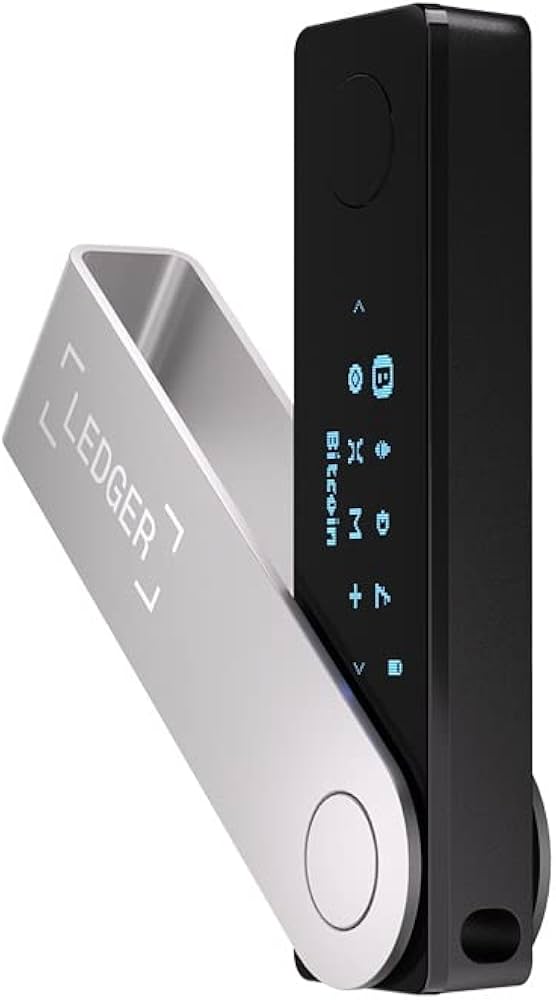
Security is the first line of defense when holding tokenized assets. Hardware wallets keep your private keys offline, protecting your RWA investments from online threats and phishing attacks.
As an Amazon Associate, we may earn from qualifying purchases.
Network Explorers and Analytics
Once your assets are secure, you need visibility. Explorers let you verify transactions on the Base network, while analytics platforms provide a broader view of the RWA ecosystem. Tools like RWA.xyz help you track asset managers and tokenization platforms across different blockchains.
Always verify smart contract interactions through official sources. Audits reduce but do not eliminate risk, so using reputable tools for due diligence is essential for protecting your capital.
Navigating Risks in Tokenized Assets
Tokenized credit promises efficiency, but it inherits the vulnerabilities of both traditional finance and decentralized code. Unlike holding a physical deed or a bank statement, RWA investments rely on smart contracts to mint, transfer, and distribute yield. A single bug in these contracts can lead to immediate, irreversible loss of funds, regardless of the underlying asset's quality.
The risk extends beyond technology. Regulatory frameworks for tokenized assets are still evolving, creating uncertainty around legal recourse and compliance. Recent research highlights that while third-party audits are common, they do not guarantee security, leaving investors exposed to both technical exploits and regulatory shifts.
When evaluating tools for tokenized credit, prioritize protocols with transparent audit histories and clear legal structures. The landscape is young, and due diligence on the underlying smart contract logic is as important as assessing the creditworthiness of the issuer.
Frequently asked questions about RWA on Base
What are real-world assets in DeFi?
Real-world assets (RWAs) are traditional financial instruments—such as government bonds, commodities, equities, private credit, and real estate—represented as digital tokens on a blockchain. This tokenization enables on-chain ownership, transfer, and settlement, bridging physical value with decentralized finance infrastructure Binance.
What are the risks of investing in RWAs?
Investors face smart contract and technical risks because RWA tokens rely on code for minting, transfers, and yield distribution. Bugs or vulnerabilities in these contracts can lead to fund loss. While issuers often commission third-party audits, these reviews do not guarantee absolute security MetaMask.
How do RWAs differ from crypto-native assets?
Unlike volatile cryptocurrencies, RWAs derive value from tangible external assets. They offer yield stability tied to traditional markets rather than speculative trading. However, they introduce regulatory and custody risks not present in purely digital tokens, requiring careful due diligence on the underlying asset's legal structure.
No comments yet. Be the first to share your thoughts!