Pick the right asset class
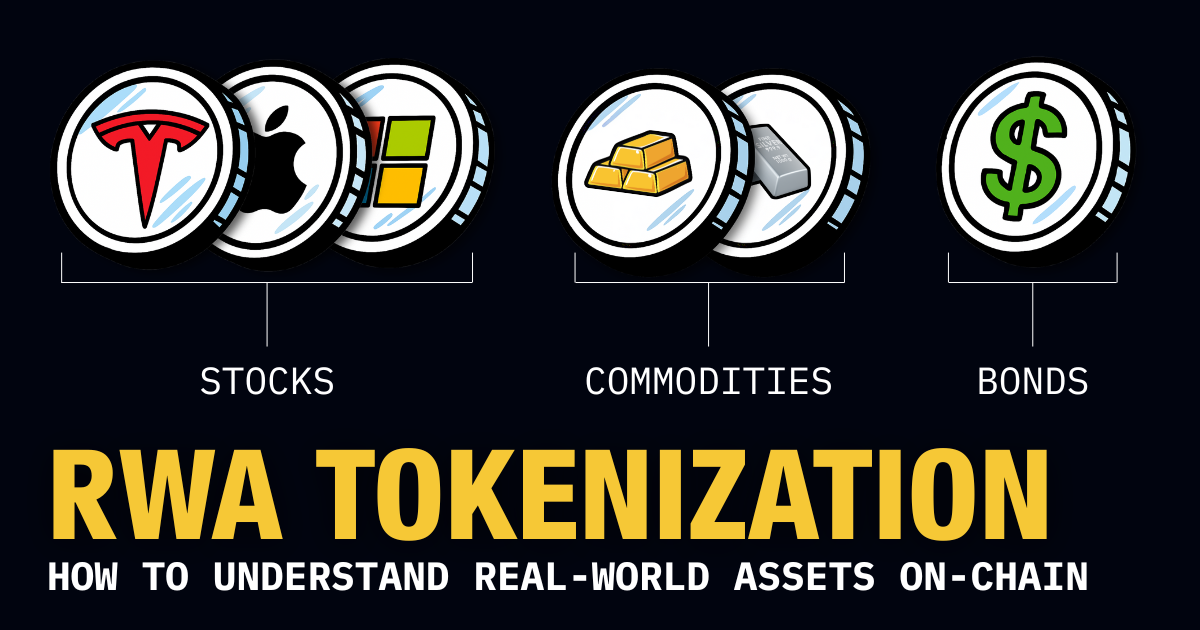
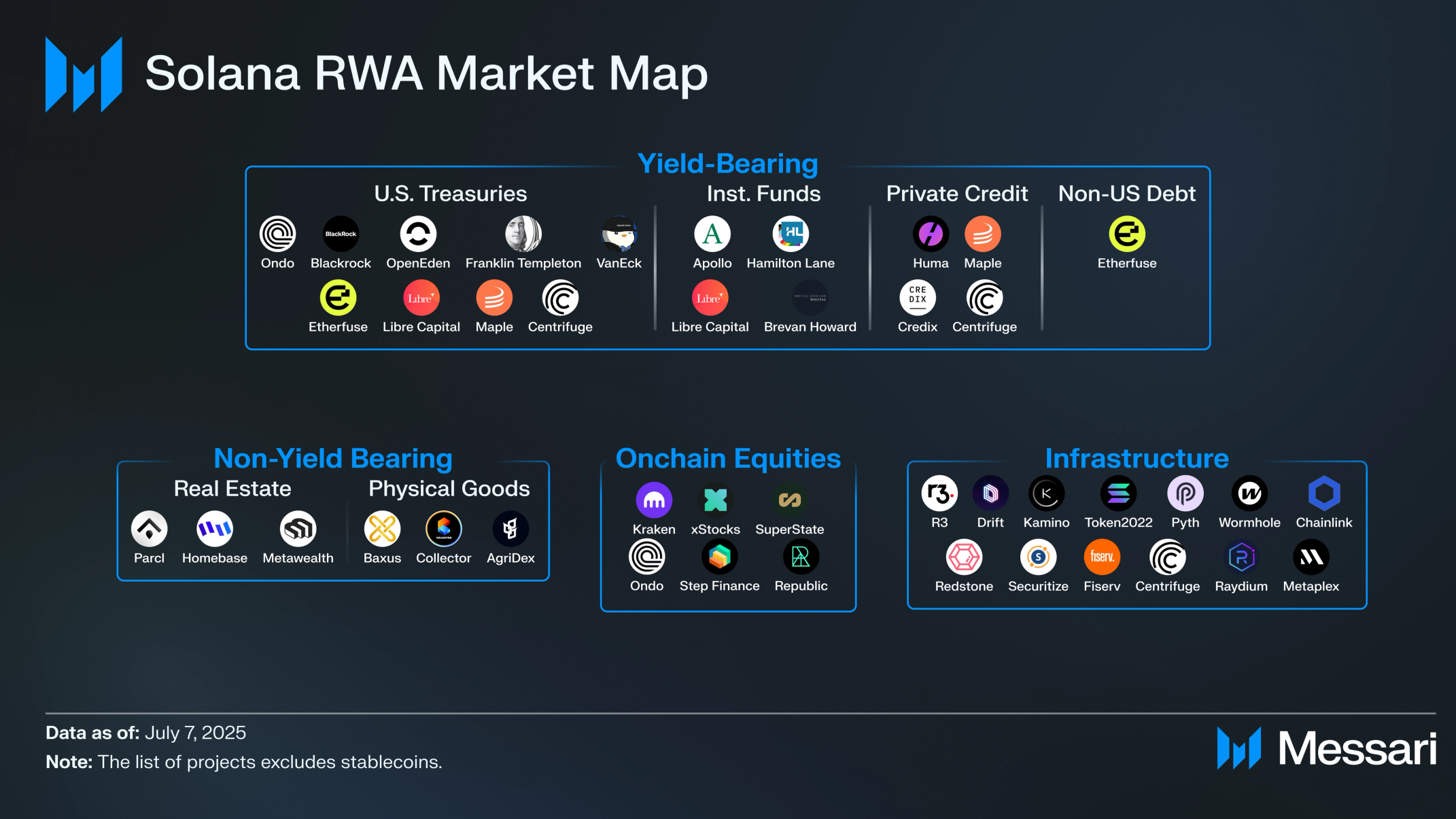
Choosing the right asset class is the foundation of your RWA project on Base. The wrong fit can lead to regulatory friction or low liquidity. You need to match the asset’s characteristics to the right tokenization structure.
Stablecoins
Stablecoins are the most mature RWA category, representing fiat currencies like the US dollar tokenized 1:1. On Base, they serve as the primary medium of exchange for DeFi applications. Because the underlying asset is cash, the legal structure is straightforward, but the regulatory bar for issuance is high. Focus on utility and integration rather than just creation, as you are competing with established players.
Treasury Bills
Tokenized Treasury Bills (T-Bills) offer a yield-bearing alternative to stablecoins. These tokens represent ownership in short-term US government debt, attracting institutional capital seeking safe, predictable on-chain yields. The legal framework involves custodians holding the actual bills, with smart contracts distributing interest. This class is seeing rapid growth as investors seek returns without crypto volatility.
Private Credit
Private credit involves tokenizing loans to individuals or businesses. This is a higher-risk, higher-reward class where the underlying asset is a loan agreement, meaning default risk exists. The value proposition is higher yields for investors and faster capital access for borrowers. However, this class requires robust legal structures to handle collateral and defaults. It is less liquid than stablecoins or T-Bills, so you must carefully consider the investor profile.



As an Amazon Associate, we may earn from qualifying purchases.
Set up the legal wrapper
Before you write a single line of Solidity, decide who actually owns the asset on the blockchain. Deploying a token representing real estate or treasury bills directly from a personal wallet or generic DAO exposes you to massive liability. The industry standard for isolating this risk is the Special Purpose Vehicle (SPV).
An SPV is a separate legal entity created specifically to hold the underlying asset. Think of it as a fireproof box. The asset lives inside the box, and the tokens on Base represent shares in that box. If the project fails or faces a lawsuit, the asset inside the SPV is protected from your other business activities. This separation is the difference between a compliant financial product and a regulatory liability.
Once the SPV is formed, map the token to the correct regulatory framework. In the United States, the SEC views most RWA tokens as securities, requiring compliance with Regulation D (for accredited investors) or Regulation S (for non-US persons). In the European Union, MiCA provides a clearer path but still requires strict transparency and reserve auditing.
Choose a jurisdiction with clear RWA laws, such as Wyoming, Delaware, or the Cayman Islands. The entity must be legally distinct from your operating company to ensure the backing asset is ring-fenced. You will need a registered agent and a formal operating agreement that defines how the asset is managed.
Work with securities counsel to determine if your token is a security. If it represents a share of profits or ownership in the SPV, it is almost certainly a security. Choose the right exemption (like Reg D 506(c)) or registration pathway, which dictates who can buy your tokens and how you verify their eligibility.
Your legal documents must explicitly reference the blockchain. The SPV’s operating agreement should state that token holders are recognized as members of the SPV. You need a mechanism to update the SPV’s member list when tokens are transferred on Base. Without this link, the token is just a digital receipt with no legal claim to the underlying asset.
This setup is not optional. The merger of DeFi utility with traditional safety relies entirely on this legal bridge. If the bridge is broken, the asset cannot be traded, frozen, or seized by regulators. Take the time to get the wrapper right before you touch the code.
Choose your token standard
Your token standard dictates how your asset behaves on-chain. For RWAs, the choice usually falls between standard ERC-20 and compliance-aware standards like ERC-3643 (T-REX) or ERC-1400. This decision determines whether your token is a free-flowing commodity or a restricted security.
ERC-20 is the default for most tokens. It is simple, widely supported, and compatible with nearly every DeFi protocol on Base. However, it lacks built-in compliance. If you are tokenizing regulated assets, ERC-20 requires you to implement transfer restrictions in external smart contracts, adding complexity and potential points of failure.
ERC-3643 and ERC-1400 are designed specifically for securities. ERC-3643, developed by Conduit, uses a "one address, one identity" model, linking tokens to verified identities. ERC-1400 introduces a "security token" standard with distinct transfer hooks. Both standards allow you to enforce rules like whitelisting, holding limits, and transfer bans at the protocol level.
| Feature | ERC-20 | ERC-3643 (T-REX) | ERC-1400 |
|---|---|---|---|
| Compliance | None (external) | Built-in (identity-linked) | Built-in (transfer hooks) |
| DeFi Compatibility | High | Low (requires adapters) | Low (requires adapters) |
| Gas Costs | Low | Medium | Medium-High |
| Best For | Simple RWAs, memecoins | Regulated securities, KYC assets | Regulated securities, complex rights |
If your asset requires strict KYC/AML checks or regulatory reporting, ERC-3643 is the current industry leader for institutional RWAs. If you are building a simple token representing physical goods with no regulatory restrictions, ERC-20 remains the most efficient choice. Always verify your legal requirements before committing to a standard.
Deploy on the Base network
Deploying your contract on Base is where the theoretical model becomes on-chain reality. The process is straightforward, but the stakes are high: a single misconfiguration in network selection or verification can leave your asset stranded or untrusted. Treat each step as a non-reversible action.
Ensure your wallet is connected to the Base mainnet. If you are using a standard Ethereum wallet like MetaMask, add the Base network manually using the official RPC details provided by Base. Verify the chain ID is 8453. Deploying to the wrong network (like Ethereum Mainnet or Base Sepolia testnet) will result in immediate loss of funds or deployment failure.
Use your preferred development environment (Hardhat, Foundry, or Remix) to deploy your compiled bytecode to the Base network. Ensure your gas limit is set appropriately for the complexity of your RWA contract. If your asset requires cross-chain functionality, integrate LayerZero or similar interoperability protocols to bridge the token state. Monitor the transaction closely; Base is fast, but confirmation times can vary during peak congestion.
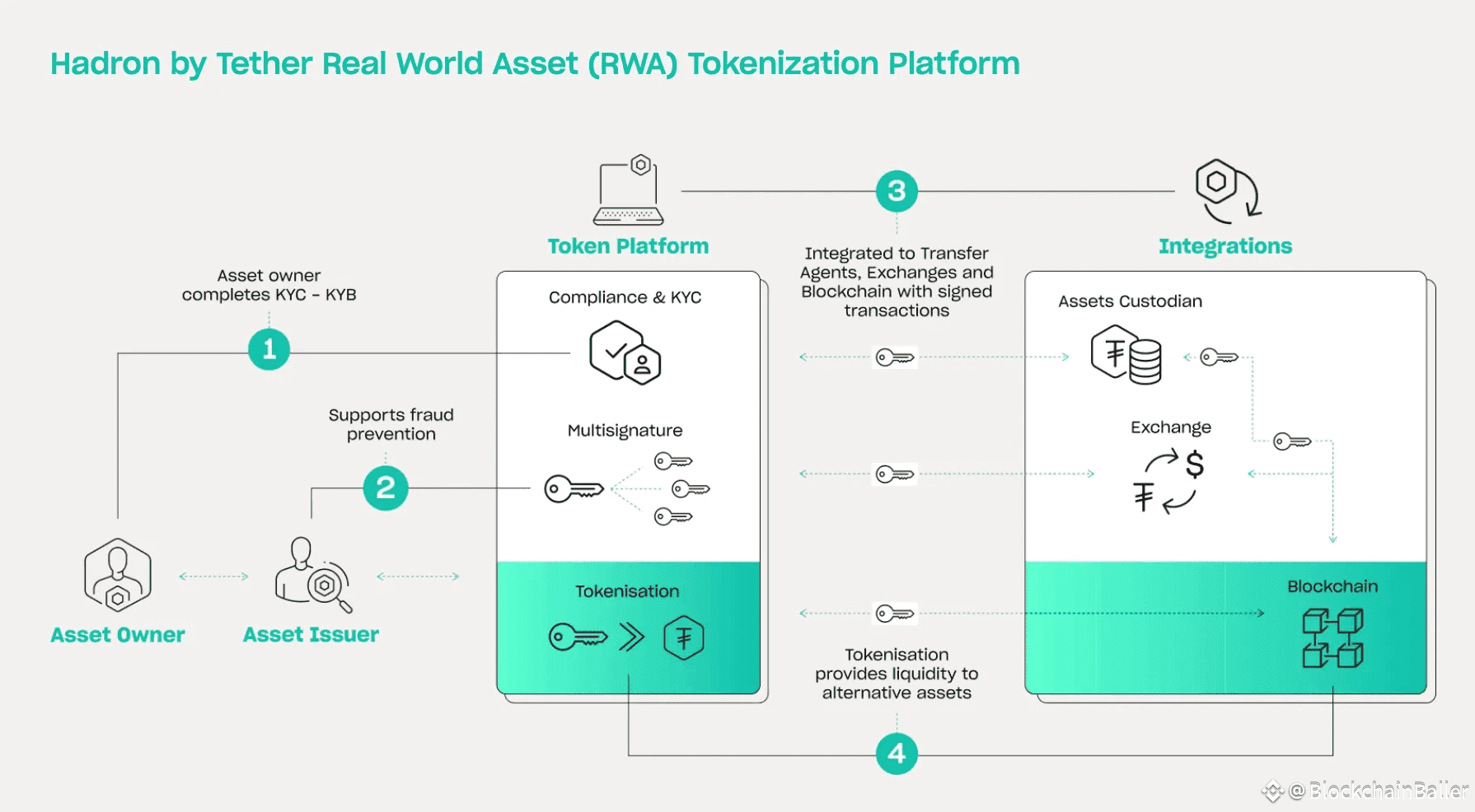
Once deployed, verify the source code immediately on Basescan. This makes your contract readable and trusted by other developers and users. Use the "Verify and Publish" tab, entering your compiler version and source files. Without verification, institutional partners and users will hesitate to interact with your RWA, as they cannot audit the logic.
If your RWA strategy involves bridging assets between Base and other chains, test the LayerZero or OApp integration thoroughly. Simulate a transfer from Base to Ethereum Mainnet (or vice versa) using testnet faucets first. Verify that the message passing and asset locking mechanisms work as expected to ensure your asset remains liquid and accessible across the broader DeFi ecosystem.
Integrate with DeFi protocols
Listing your tokenized asset on Base-native DeFi protocols is where the token gains actual utility. Without liquidity, a token is just a digital certificate sitting in a wallet. By integrating with decentralized exchanges (DEXs) and lending platforms, you allow holders to trade, borrow against, or yield-farm their positions, transforming your RWA from a static holding into a liquid financial instrument.
1. Deploy a liquidity pool on Aerodrome
Aerodrome is the dominant DEX on Base, leveraging a ve(3,3) model that incentivizes long-term liquidity provision. Start by creating a trading pair between your RWA token and a stablecoin like USDC. Ensure your smart contract is compatible with Aerodrome’s factory contract. You will need to deploy a pool and then lock your veAERO tokens to boost your vote weight and trading fee share. This step is critical for attracting initial traders and ensuring the pool doesn’t suffer from immediate slippage.
2. Provide initial liquidity
Once the pool is live, supply the initial liquidity by depositing equal values of your RWA token and the paired asset (e.g., USDC). Be precise with your ratios; a mismatch can lead to immediate impermanent loss or an unfair price opening. Consider using a concentrated liquidity position if Aerodrome supports it for your specific pair type, as this capital efficiency can help maintain tighter spreads. Monitor the pool closely for the first 24 hours to ensure no arbitrage bots exploit pricing discrepancies.
3. Integrate with lending protocols
Lending protocols like Moonwell or Aave (if deployed on Base) allow users to borrow against your tokenized asset. This requires your token to be accepted as collateral. Submit your token for review, providing proof of the underlying asset’s value and legal structure. Once approved, users can deposit your RWA token to borrow stablecoins. This adds depth to your ecosystem, as holders can access liquidity without selling their position. Ensure your oracle feeds are correctly configured to prevent liquidation risks during market volatility.
4. Monitor and optimize liquidity
Liquidity is not a set-and-forget feature. Regularly review your pool’s volume, fee revenue, and impermanent loss metrics. Adjust your liquidity positions based on trading activity. If volume spikes, consider adding more liquidity to capture higher fees. If volume drops, evaluate whether your marketing efforts need adjustment or if you should incentivize liquidity providers with additional rewards. Continuous monitoring ensures your token remains competitive against other RWAs on Base.
5. Engage with the community
Transparency builds trust. Share your liquidity metrics and protocol integrations with your community. Use Discord or Twitter to announce new pairs or lending capabilities. Engage with liquidity providers and borrowers to gather feedback. This community engagement can drive organic growth and help you identify potential issues before they become major problems. Your token’s success is tied to the health of its DeFi ecosystem.
Verify asset backing and audits
Trust is the currency of real-world assets. If the on-chain token doesn't accurately reflect the physical or financial asset it represents, the entire structure collapses. You must prove that the backing exists and that the code managing it is secure.
Start with regular attestations. Use oracle feeds like Chainlink to pull verified data from off-chain sources into your smart contract. This ensures the token's value stays pegged to reality, whether that's gold prices, real estate valuations, or treasury yields. Without this link, your asset is just a digital promise with no anchor.
Next, secure an independent smart contract audit. A professional firm should review your code for vulnerabilities before launch. This isn't a formality; it's your primary defense against exploits. Pair this with a legal opinion to ensure your tokenization complies with securities laws in your target jurisdictions.
- Legal opinion confirming regulatory compliance
- Smart contract audit from a reputable firm
- Oracle setup (e.g., Chainlink) for live data
- Liquidity provision plan for secondary trading
Common RWA launch mistakes
Even with solid code, a Real-World Asset launch can fail if the legal and economic plumbing isn't built to handle off-chain reality. These pitfalls are where most projects lose trust or face regulatory friction.
Ignoring transfer restrictions
Tokenizing an asset doesn't erase its legal status. If your smart contract allows unrestricted trading, you might violate securities laws or the original asset's operating agreement. You need to build compliance directly into the token logic, such as whitelisting wallets or enforcing holding periods, to ensure only qualified investors can trade.
Poor oracle design
Your on-chain price data is only as good as the source feeding it. Relying on a single oracle or a weak liquidity pool creates a single point of failure. If the oracle feed lags or gets manipulated, your asset's value becomes unreliable. Use redundant data sources and verify that the oracle can handle the specific volatility of the underlying asset.
Insufficient liquidity depth
A token with no liquidity is just a digital receipt. If users can't easily buy or sell without moving the price significantly, the asset becomes useless. Partner with market makers or design a bonding curve that ensures there's always a counterparty for trades. Thin liquidity invites manipulation and drives away serious participants.
No comments yet. Be the first to share your thoughts!