Why Base hosts RWA infrastructure
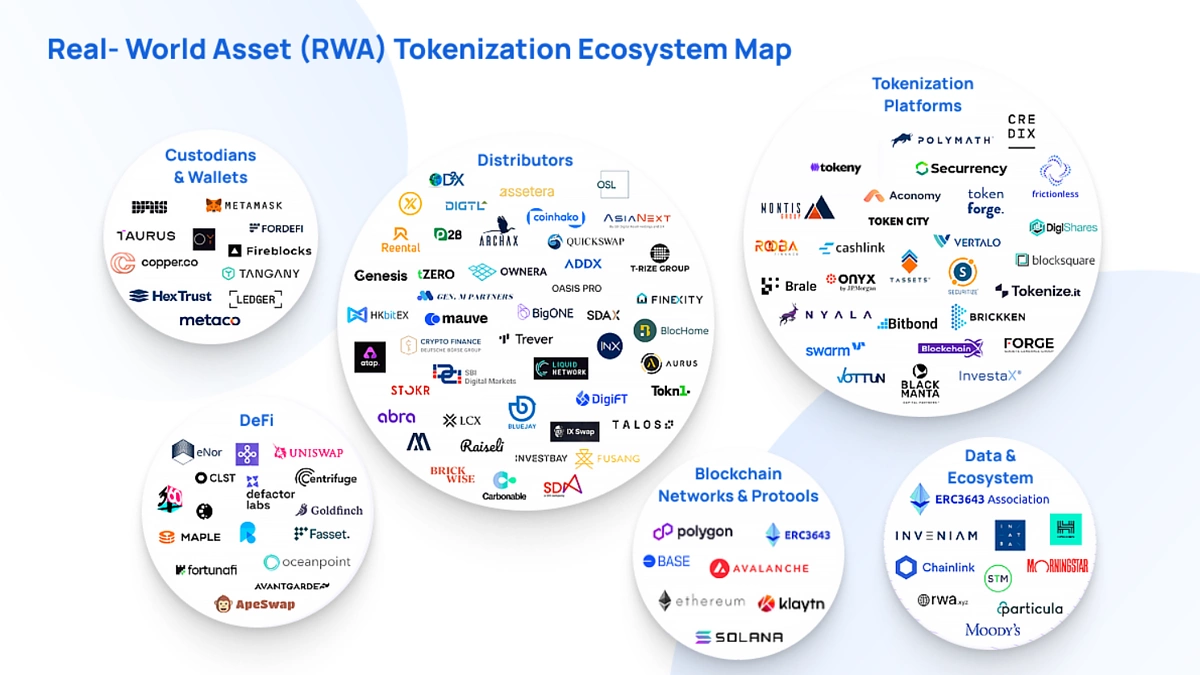
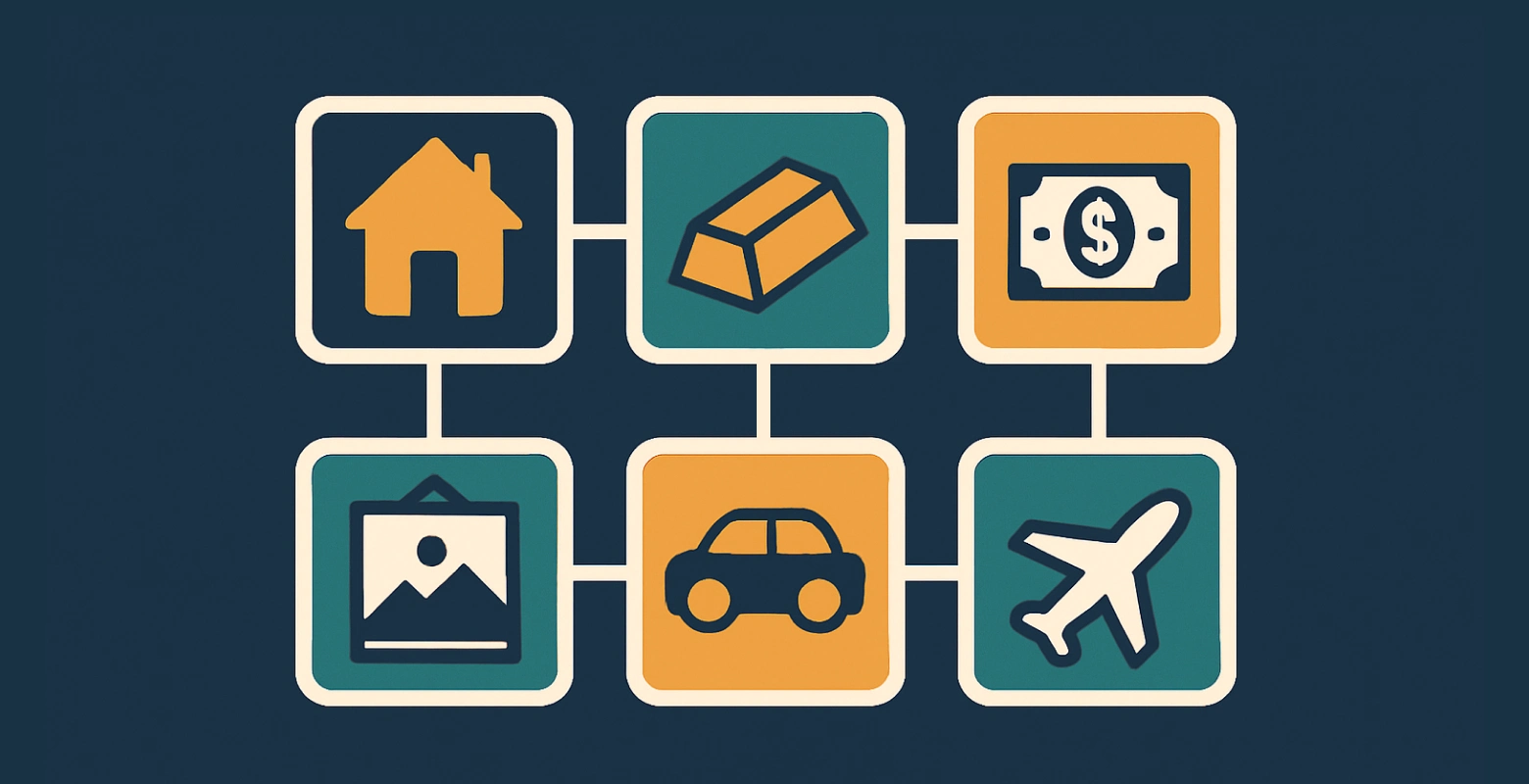
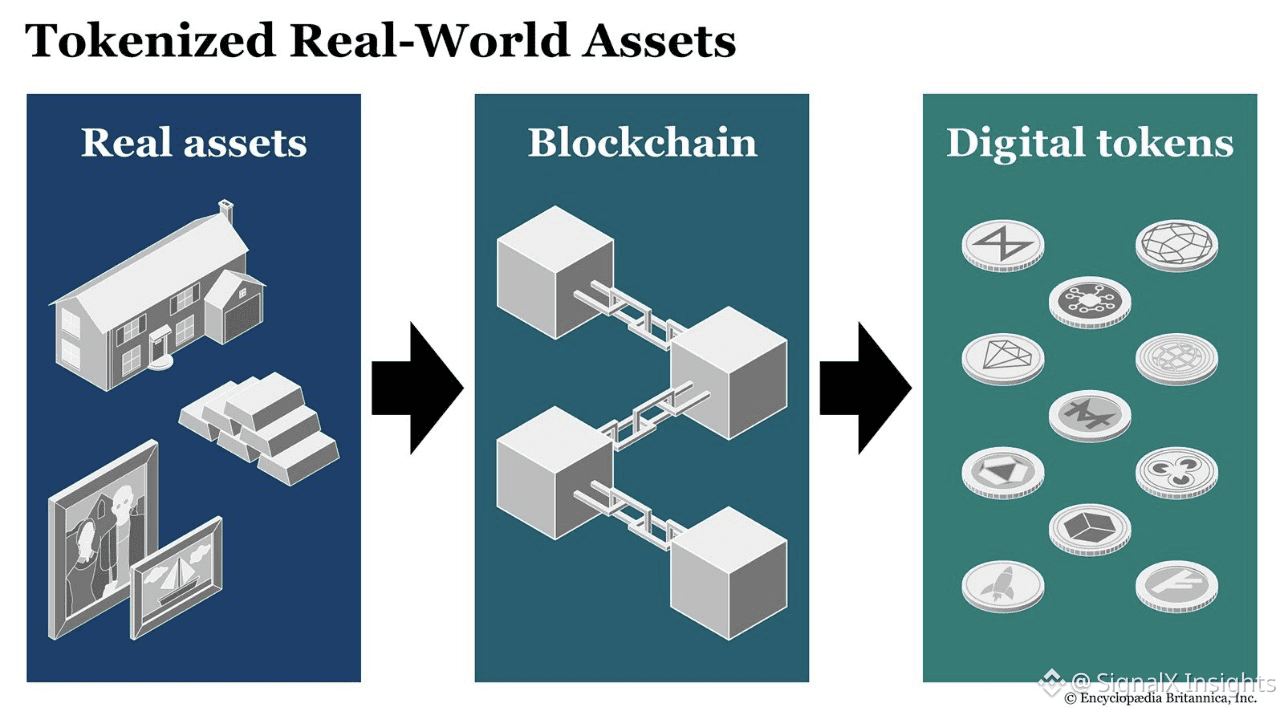
Real-world assets (RWAs) are digital tokens that represent physical and traditional financial assets, such as currencies, commodities, equities, bonds, and credit. As these assets merge the speed of decentralized finance (DeFi) with the safety of regulated markets, the underlying infrastructure must handle high-frequency settlement without breaking the bank. Base has emerged as the primary Layer 2 for this transition, offering a unique combination of low fees, deep liquidity, and institutional-grade integration.
The economics of RWA onchain are unforgiving to expensive networks. Tokenizing a $10,000 bond or settling daily invoice payments requires transaction costs that are negligible compared to the asset value. Base processes over 1 million daily transactions with fees often under $0.01, making it ideal for high-frequency RWA settlement. This cost efficiency allows protocols to offer competitive yields to investors while maintaining healthy margins for custodians and oracles.
Beyond raw economics, Base provides a direct bridge to traditional finance through Coinbase. For institutional players, the ability to move assets between a regulated exchange and a permissionless L2 without complex bridging risks is a critical infrastructure advantage. This integration reduces counterparty risk and simplifies compliance workflows, allowing RWA protocols to scale faster than on other EVM-compatible chains.
The result is a growing ecosystem where tokenized treasuries, real estate, and private credit are not just experimental but operational. As we look at 2026, Base’s combination of affordability, security, and Coinbase’s distribution network positions it as the default home for real-world asset infrastructure.
Top protocols driving tokenized yield
Base is becoming a primary on-chain hub for Real World Asset (RWA) protocols, offering investors direct exposure to yield-bearing assets like US Treasuries, private credit, and tokenized real estate. Unlike traditional DeFi, which often relies on volatile speculative trading, these protocols generate yield from real economic activity—interest payments, bond coupons, or rental income. This shift provides a more stable, transparent, and audit-friendly investment layer for the network.
The leading protocols on Base fall into three distinct categories: tokenized US Treasuries, private credit markets, and tokenized real estate. Each serves a different risk appetite and liquidity requirement. Below is a comparison of the top protocols currently driving this infrastructure, followed by a deeper look at how they operate.
Protocol comparison
| Protocol | Primary Asset Class | Yield Source | Base TVL (Approx) |
|---|---|---|---|
| Centrifuge | Private Credit | Business loans | $15M+ |
| Maple Finance | Institutional Credit | Corporate lending | $10M+ |
| Goldfinch | Unsecured Credit | Consumer/SME loans | $8M+ |
| Ondo Finance | Tokenized Treasuries | US Gov Bonds | $20M+ |
Note: TVL figures are dynamic and reflect recent on-chain data. Always verify current metrics before interacting.
Tokenized US Treasuries
Ondo Finance and similar protocols have brought US government bond yields on-chain. These assets are backed by actual T-bills held in custody, offering a yield that tracks the Federal Reserve’s rate. For Base users, this provides a stable, low-volatility store of value that integrates directly with DeFi lending protocols. The custodian holds the underlying bonds, while the smart contract distributes the coupon payments to token holders.
Private Credit and Lending
Centrifuge and Maple Finance connect institutional capital with borrowers who cannot access traditional bank financing. Centrifuge focuses on invoice financing and real estate loans, while Maple allows institutions to create credit pools. These protocols use oracles and off-chain due diligence to assess borrower risk. The yield comes from the interest paid by borrowers, which is passed through to liquidity providers. This model offers higher yields than treasuries but carries greater counterparty risk.
Tokenized Real Estate
Protocols like RealT and others are beginning to tokenize residential and commercial properties on Base. Investors buy fractional shares of real estate, receiving rental income as yield. This asset class is illiquid compared to treasuries or credit, but it offers diversification and inflation hedging. The property is managed by local operators, and the smart contract handles rent distribution and maintenance reserves.
Risk and Custody
The key risk in RWA DeFi is not smart contract failure, but off-chain execution. If the custodian loses the underlying asset or the borrower defaults, the token value drops. Always check which entity holds custody of the real-world asset and how disputes are resolved. Base’s low fees make it ideal for these high-frequency, low-margin transactions, but due diligence on the protocol’s legal structure is essential.
Onchain credit and liquidity layers
Real-world assets don't move on Base without a reliable plumbing system. While tokenization creates the digital representation of physical assets, the actual liquidity and credit mechanisms depend on oracles, aggregators, and stablecoin rails. This infrastructure layer bridges the gap between traditional finance custodians and decentralized protocols, ensuring that yield and credit facilities remain accurate and accessible.
Oracle networks and price feeds
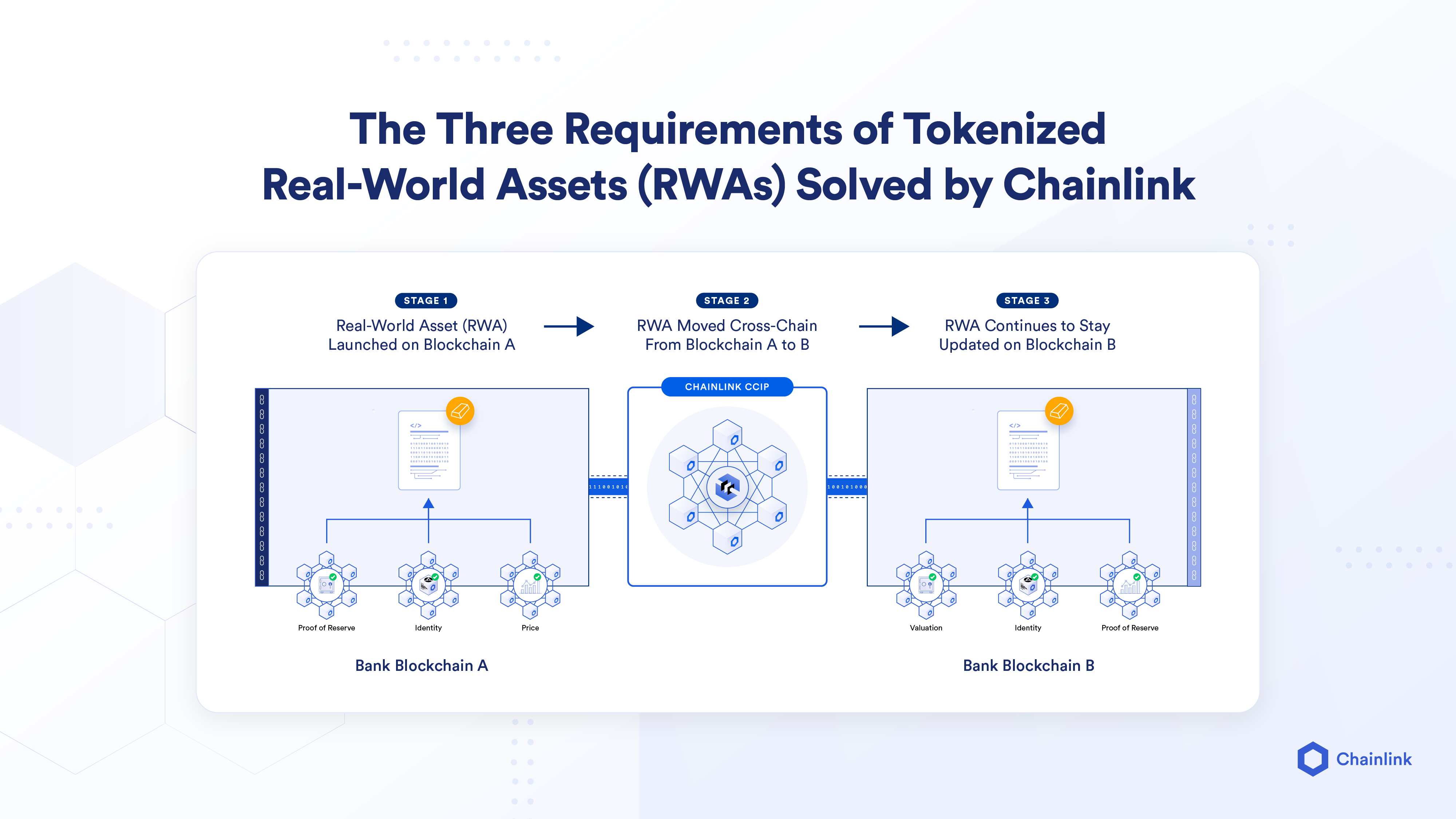
Oracles act as the nervous system for RWA DeFi. They feed real-time price data from off-chain sources onto the blockchain, allowing protocols to calculate loan-to-value ratios and trigger liquidations if necessary. Without this data, lending markets would freeze. Chainlink remains the dominant provider for these feeds, offering CCIP (Cross-Chain Interoperability Protocol) to move data and value across different networks securely. For RWA integrations, this means that a tokenized bond or real estate asset can maintain a reliable price reference even if the underlying market moves slowly.
Liquidity aggregators and stablecoin rails
Liquidity on Base is primarily driven by stablecoins like USDC and native ETH, which serve as the base collateral for RWA yields. Aggregators help route this capital efficiently, minimizing slippage when users swap between tokenized assets and stablecoins. This efficiency is critical for high-stakes financial analysis where spread costs can erode yield. The integration of these layers allows RWAs to function not just as static investments, but as active components of a broader DeFi liquidity pool, enabling fractional ownership and secondary trading.
This chart shows the volume trends for the BASE-USDT pair, reflecting the underlying liquidity depth available for RWA settlements. High volume indicates robust market participation, which is essential for the viability of credit facilities backed by tokenized assets.
Risk factors in tokenized assets on Base
Tokenizing real-world assets like treasury bills or real estate introduces risks that don't exist in native crypto. Unlike a smart contract that simply holds ETH, an RWA token depends on a chain of off-chain promises. If the legal wrapper fails, the token becomes worthless code. You are not just holding a digital asset; you are holding a claim on a physical one, and that claim is only as strong as the custodian managing it.
Regulatory uncertainty remains the biggest headwind. Even on a chain like Base, which prioritizes compliance, the legal status of tokenized securities varies by jurisdiction. A token representing a US Treasury bill might be fully compliant in one state but restricted in another. Always verify the legal structure and the entity responsible for the underlying asset before locking capital. Do not assume that "on-chain" means "unregulated."
Smart contract risk is equally critical. RWAs rely on oracles to feed real-world data onto the blockchain and on custodians to manage the physical assets. A bug in the oracle or a failure in the custodian's security can decouple the token from its real-world value. Audits are essential, but they are not a guarantee. They are a snapshot in time. You must also monitor the health of the underlying yield and the liquidity available to exit your position.
Liquidity risk is often overlooked. While Base offers fast and cheap transactions, the secondary market for specific RWA tokens can be thin. If you need to exit a position quickly, you may face significant slippage or be unable to sell at all. This is particularly true for less liquid asset classes like private credit or real estate. Always check the depth of the pool and the redemption terms before entering.
How to evaluate Base RWA opportunities
Evaluating Real World Asset (RWA) protocols on Base requires a shift from standard DeFi risk models. You aren't just checking smart contract code; you are auditing the bridge between digital tokens and physical or legal claims. A protocol's yield is only as sustainable as its underlying asset and legal structure.
Use this checklist to assess safety and yield sustainability before allocating capital.
Identify the entity holding the underlying asset. For tokenized bonds or real estate, a regulated custodian must hold the physical title or treasury bills. If the protocol doesn't publish its legal wrapper (e.g., a Delaware LLC or Cayman fund) and custodian details, treat it as high risk. The yield is backed by the legal claim, not just the code.
RWAs rely on oracles to price off-chain assets. Check if the protocol uses Chainlink or another reputable oracle network for price feeds. Review the smart contract audit reports from firms like OpenZeppelin or Trail of Bits. Look for specific audits covering the integration between the on-chain token and the off-chain asset transfer mechanism.
RWA tokens often have lower liquidity than meme coins or liquid staking derivatives. Check the depth of the pool on Base DEXs. If you cannot exit your position without significant slippage, the yield is illusory. Ensure the protocol has a clear redemption mechanism or a secondary market with sufficient volume.
RWA protocols are heavily influenced by regulatory changes. Determine the jurisdiction of the protocol's operating entity. Protocols operating in clear regulatory frameworks (like the US or EU) may offer more stability but face stricter compliance costs. Avoid protocols that obscure their legal status or operate in regulatory gray zones.
Distinguish between yield generated by the underlying asset (e.g., treasury bill interest) and yield generated by protocol incentives (token emissions). Sustainable RWA yields come from the asset itself. If the yield is primarily driven by token rewards, it is likely unsustainable once emissions decrease.
By following these steps, you can filter out speculative projects and focus on RWA opportunities on Base that offer genuine, sustainable value backed by real-world fundamentals.
Frequently asked questions about Base RWA
What are real world assets in DeFi?
Think of tangible assets like real estate, gold, invoices, or government bonds. These are now represented as digital tokens that can be traded, owned fractionally, or used in decentralized finance (DeFi) ecosystems. RWAs mark a pivotal shift in how value is represented and exchanged, bridging traditional finance with on-chain liquidity.
What real world assets can be tokenized?
Tokenized real-world assets (RWAs) are blockchain-based digital tokens that represent physical and traditional financial assets. This includes cash, commodities, equities, bonds, credit, artwork, and intellectual property. The primary goal is to merge the speed and utility of DeFi with the safety and yield of traditional finance.
How does Base support RWA infrastructure?
Base provides a low-cost, high-throughput L2 environment ideal for tokenizing assets. Its integration with Coinbase and Ethereum security allows projects to manage custody, oracles, and yield generation efficiently. This infrastructure reduces the friction of moving traditional assets on-chain while maintaining compliance standards.
No comments yet. Be the first to share your thoughts!