Why Base Leads RWA Tokenization
Base is positioning itself as the default infrastructure layer for real-world asset (RWA) tokenization. It isn't just another L2; it is a purpose-built settlement layer that prioritizes low-cost, high-throughput transactions—exactly what tokenized treasuries and private credit need to function without being eaten by gas fees.
The foundation for this infrastructure is Coinbase. By leveraging Coinbase's vast distribution and regulatory expertise, Base bridges the gap between traditional finance (TradFi) and on-chain liquidity. Institutions don't want to guess which chain their clients will use. Base offers a predictable environment where onboarding is simpler, compliance tools are more mature, and the user experience mirrors what retail and institutional investors already know from Coinbase's central exchange.
Cost efficiency is the practical driver. Tokenizing assets like real estate or invoices often involves many small, frequent interactions. On older chains, these micro-transactions can become prohibitively expensive. Base’s fee structure keeps these costs negligible, making it economically viable to tokenize smaller asset slices that were previously too small to justify the blockchain overhead. This opens up tokenization to a broader range of assets beyond just high-value real estate.
Institutional interest is following the infrastructure. Major financial players are testing RWA protocols on Base because it offers the stability of a regulated entity (Coinbase) with the flexibility of an open blockchain. This combination reduces the operational friction that has historically slowed down RWA adoption.
Core infrastructure layers
Tokenizing a bond or a piece of real estate isn't just about minting a digital certificate; it requires a stack that bridges off-chain reality with on-chain execution. For Base, this means relying on a specific combination of oracle networks, compliance protocols, and token standards to ensure assets are both liquid and legally sound.
Oracles and price feeds
RWAs need accurate, tamper-resistant data to function. Unlike volatile memecoins, real-world assets often have slower-moving prices that require reliable off-chain verification. Chainlink CCIP (Cross-Chain Interoperability Protocol) is the standard for moving data and value between Base and other chains, ensuring that the price of a tokenized treasury bill or real estate parcel remains consistent across ecosystems. Without robust oracle infrastructure, price manipulation or stale data can break the entire DeFi position.
Note: Oracle reliability is the backbone of RWA security. If the data feed fails or is manipulated, the underlying asset's value on-chain becomes meaningless, leading to potential liquidations or settlement failures.
Compliance and token standards
Not all tokens are created equal when legal ownership is involved. ERC-20 is the baseline for fungible assets like tokenized bonds, but it lacks native restrictions on who can hold them. For RWAs, projects often layer on top of ERC-3643 or use permissioned wrappers to enforce KYC/AML checks directly into the token's transfer logic. This ensures that only verified investors can trade the asset, keeping the token compliant with securities regulations in jurisdictions like the US or EU.
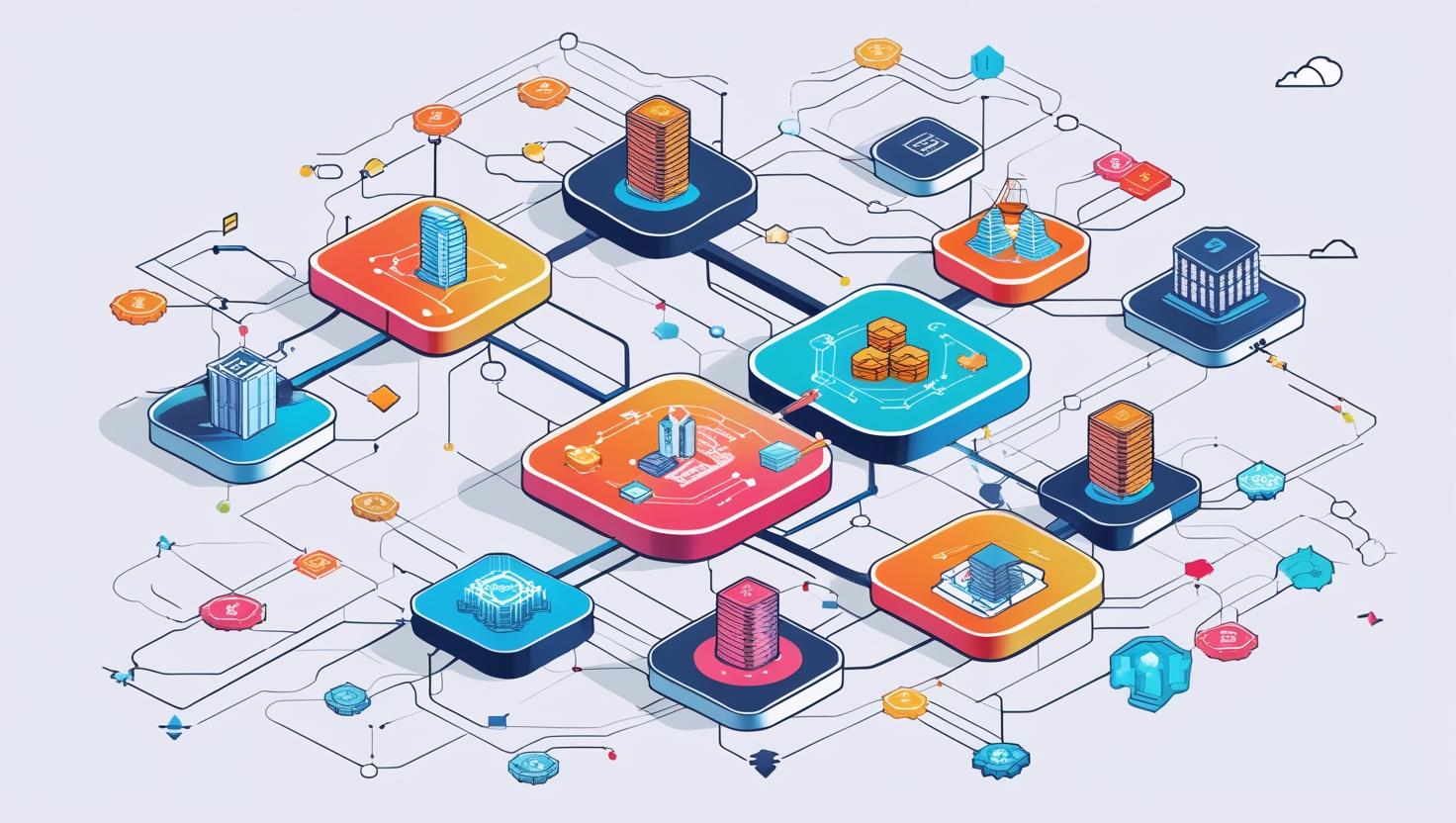
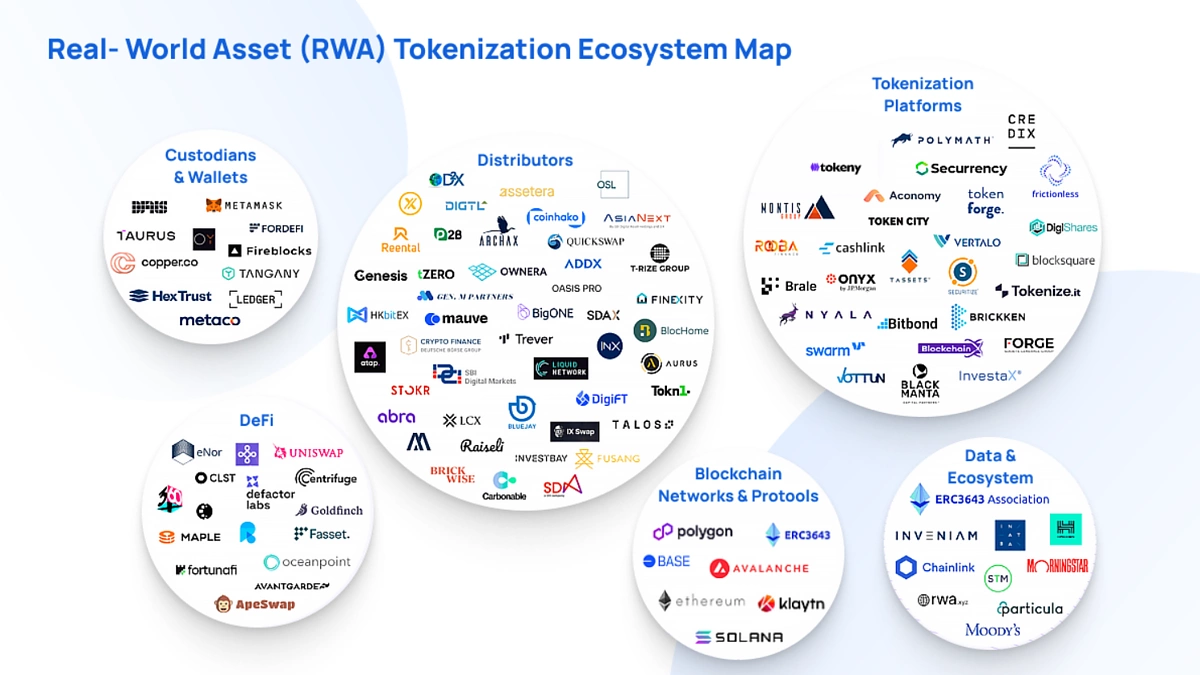
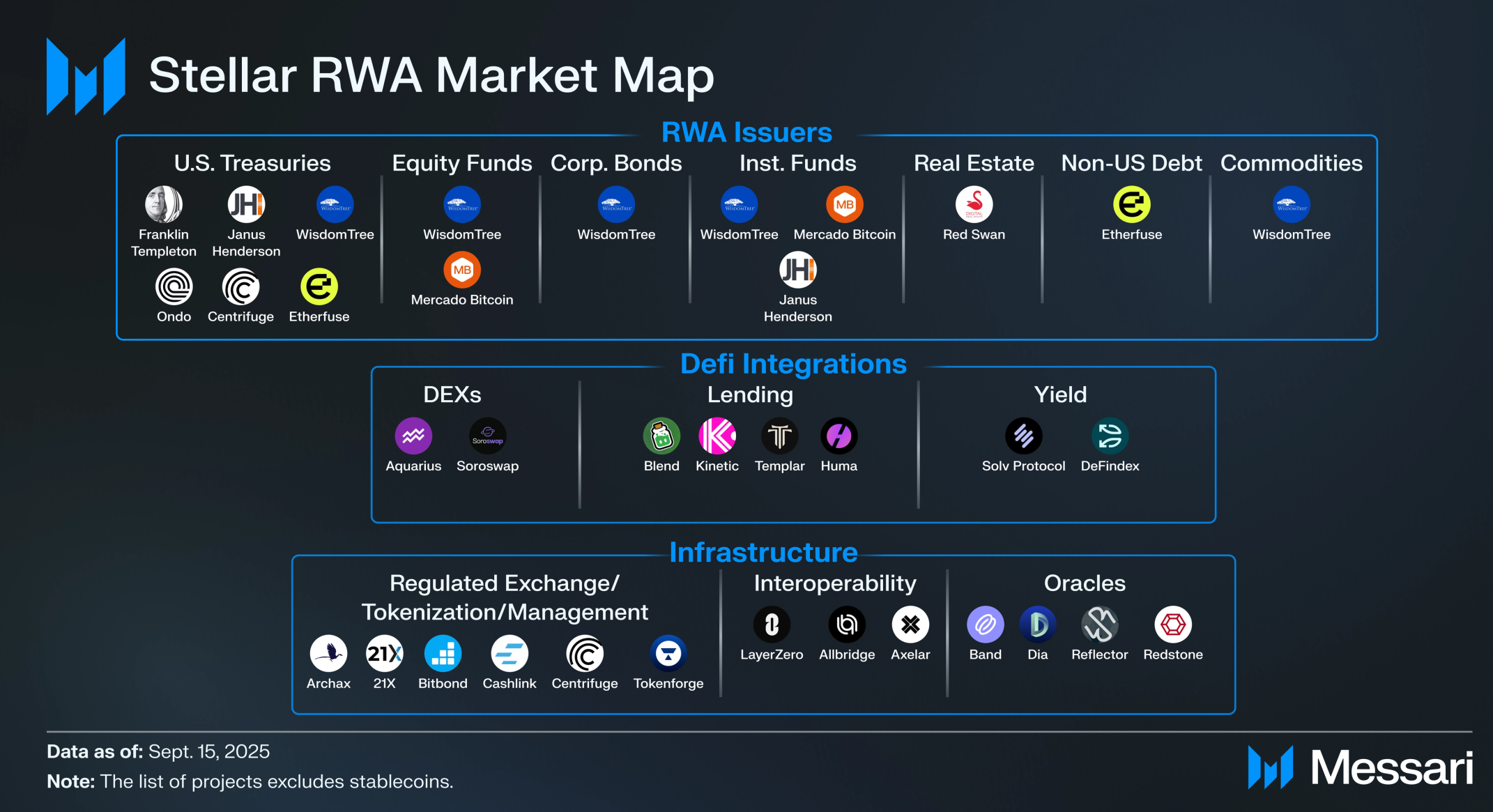
The visual below illustrates how major blockchains, including Base, are integrating these layers to support broader RWA ecosystem adoption.
Leading Protocol Ecosystems
The Base network has become a primary hub for real-world asset (RWA) tokenization, hosting a diverse set of protocols that facilitate lending, trading, and yield generation. These platforms bridge the gap between traditional finance and decentralized infrastructure, allowing users to interact with tokenized assets like Treasury bills, private credit, and real estate.
Understanding the technical differences between these ecosystems is essential for selecting the right infrastructure. Below, we compare the key players based on their Total Value Locked (TVL), supported asset types, and yield mechanisms.
| Protocol | TVL (Est.) | Asset Types | Yield Mechanism |
|---|---|---|---|
| Centrifuge | $350M+ | Real Estate, Private Credit | Direct Asset Backing |
| Ondo Finance | $600M+ | US Treasuries, Money Market Funds | Tokenized Securities |
| Goldfinch | $150M+ | Unsecured Business Loans | Pool-Based Lending |
| Maple Finance | $250M+ | Corporate Credit, Stablecoins | Managed Pools |
Centrifuge and Ondo Finance currently lead the space on Base by volume. Centrifuge focuses on direct asset backing, connecting real-world collateral like real estate and private credit directly to DeFi liquidity. Ondo Finance specializes in tokenized securities, primarily offering exposure to US Treasuries and money market funds, which appeals to institutional capital seeking regulated yield.
For those looking for unsecured or semi-secured lending, Goldfinch and Maple Finance offer different approaches. Goldfinch uses a pool-based model that relies on reputation and due diligence rather than collateral, while Maple Finance utilizes managed pools where professional borrowers compete for capital. This diversity allows investors to tailor their risk exposure based on the underlying asset's security profile.
Market Strategy and Risk
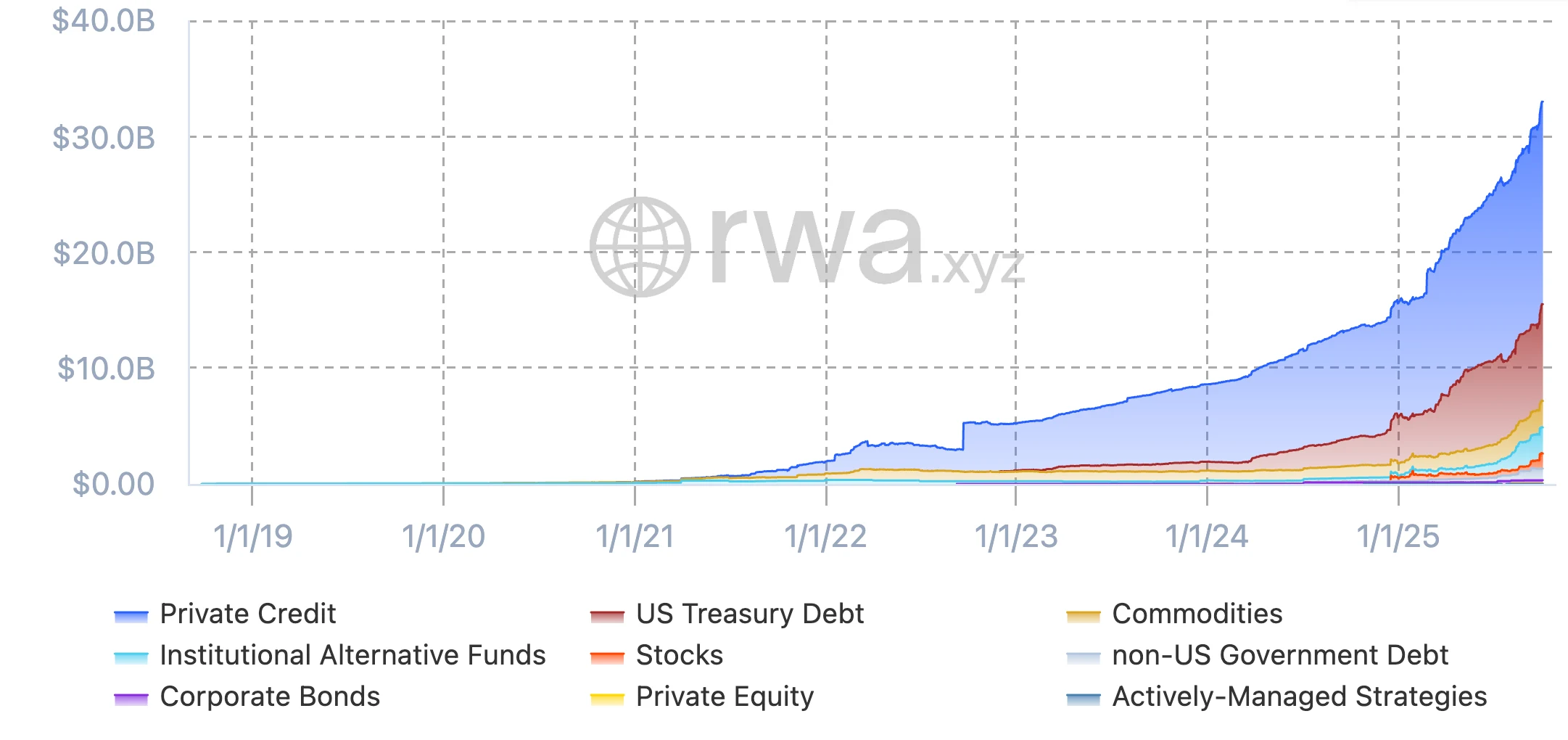
Building on Base requires treating regulatory compliance and risk management as technical constraints rather than afterthoughts. The $66.4 billion RWA market offers significant upside, but protocols that ignore legal structuring face immediate friction when scaling [1]. This section outlines the operational steps needed to launch compliant, sustainable RWA products.
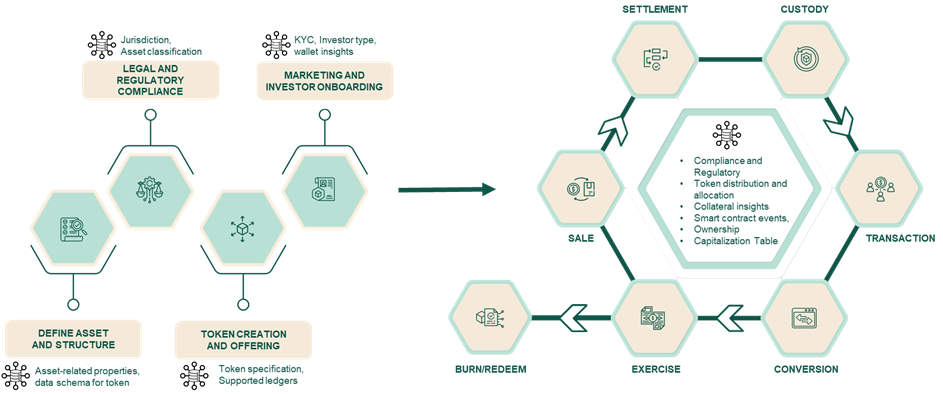
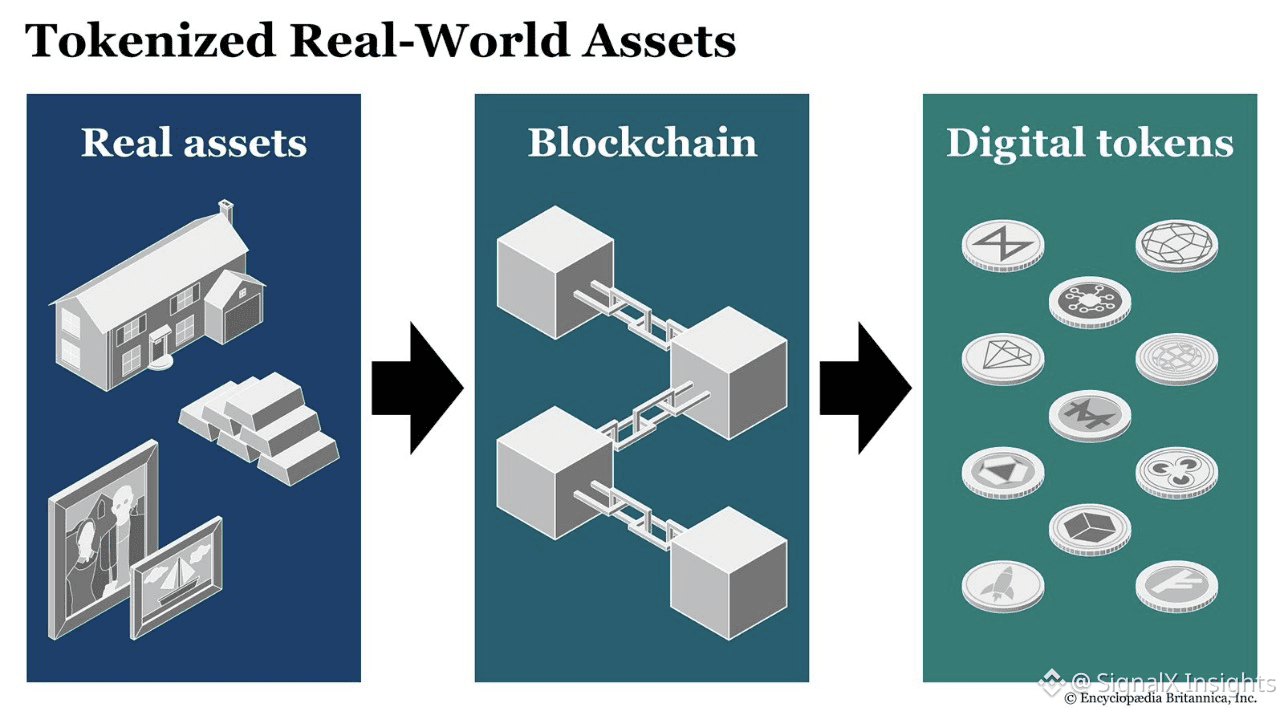
Tokenization is not just code; it is a legal agreement represented on-chain. You must choose a jurisdiction and legal structure (e.g., SPV, trust) that clearly defines ownership rights. Without this foundation, the smart contract has no enforceable backing, making the asset worthless in a dispute.
Base enables permissionless deployment, but RWA requires permissioned entry for investors. Integrate KYC/AML checks at the wallet level using compliant providers. This ensures that only accredited or qualified investors can hold the token, protecting the project from regulatory scrutiny and maintaining the integrity of the investor pool.
Real-world assets change value and status. Use trusted oracles to feed real-time data (e.g., property valuations, interest rates) onto the Base blockchain. Transparency here prevents information asymmetry and builds trust among holders who cannot physically inspect the underlying asset.
RWA tokens are often less liquid than native crypto assets. Plan secondary market mechanisms, such as regulated exchanges or private trading venues, to ensure investors can exit. Without a clear liquidity strategy, the token becomes a liability rather than an investment vehicle.
Conduct dual audits: smart contract security checks and legal compliance reviews. Ensure the code matches the legal wrapper’s intent. Any discrepancy between the on-chain logic and off-chain legal documents can invalidate the entire project, exposing developers to significant liability.
The infrastructure for RWA on Base is mature, but the strategy must be rigorous. By following these steps, you align technical innovation with legal reality, creating a sustainable path for tokenized assets in the evolving DeFi landscape.
[1] PheMex Academy. "Real-World Assets (RWA) Crypto: Top Coins & Investment Guide 2025." Accessed 2025.
Tools for Builders and Investors
Interacting with Base RWA hubs requires a specific stack of infrastructure. You need reliable data feeds to verify off-chain assets, secure wallets to manage tokenized holdings, and development kits to build compliant smart contracts.
Analytics and Data
On-chain data is only as good as the oracles feeding it. For Base, this means relying on established providers that can handle the latency and privacy requirements of real-world assets. Tools like Dune Analytics allow you to query raw transaction data, while specialized oracle networks provide the price feeds and asset verification needed for stable RWA valuations.
Development Kits and Standards
Building on Base often involves adapting existing ERC standards or creating new ones for specific asset classes. QuickNode offers developer guides on tokenization standards, while frameworks like Hardhat provide the testing environments necessary to ensure your contracts handle compliance layers correctly. Always verify that your chosen kit supports Base’s EVM compatibility and low-fee structure.
Wallets and Security
Managing tokenized RWAs requires wallets that support complex token standards and multi-signature logic for institutional-grade security. Hardware wallets remain the baseline for cold storage, while software solutions like MetaMask or Rabby offer the flexibility needed for frequent DeFi interactions. Ensure your wallet provider supports the specific token contracts deployed on Base.


As an Amazon Associate, we may earn from qualifying purchases.
No comments yet. Be the first to share your thoughts!