Why Base Is Emerging as a Hub for Real-World Assets
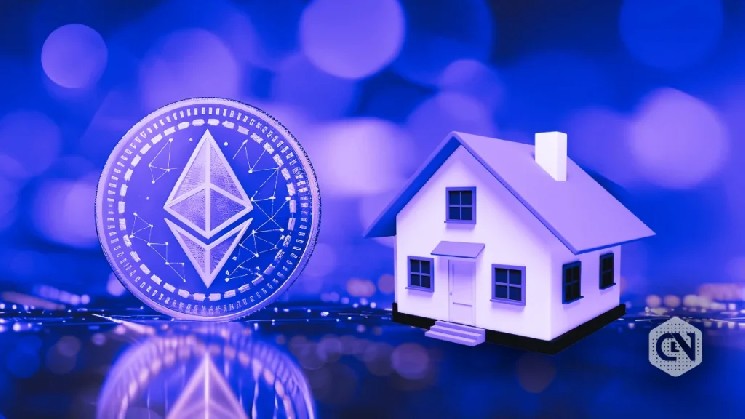
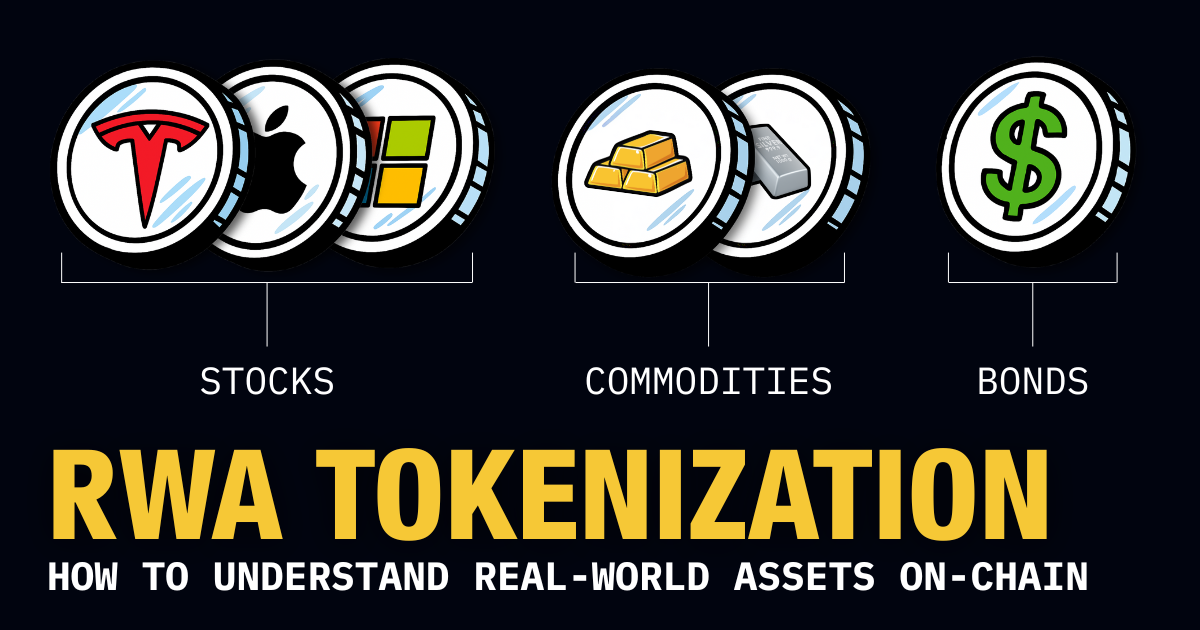
Real-world assets (RWAs) are traditional financial instruments—such as government bonds, commodities, and private credit—represented as digital tokens on a blockchain. This tokenization merges the liquidity and speed of decentralized finance with the tangible backing of traditional markets. For this model to scale, it requires an infrastructure layer that can handle high transaction volumes without prohibitive costs. Base has emerged as a primary candidate for this role, largely due to its architectural design and strategic positioning.
The most immediate advantage Base offers for RWA infrastructure is cost efficiency. Tokenizing physical assets often involves frequent, small-value transactions for settlement, compliance checks, and interest distributions. On Ethereum L1, these micro-transactions can become economically unviable due to gas fees. Base, built on the Optimism OP Stack, provides significantly lower transaction costs. This fee structure allows RWA protocols to maintain thin margins and make small-value asset participation viable for a broader range of investors.
Beyond raw cost, Base’s integration with Coinbase provides a critical bridge to institutional capital. As one of the largest centralized exchanges, Coinbase’s endorsement and technical integration reduce the friction for traditional financial entities entering the crypto space. This "on-ramp" effect means that RWA projects built on Base are often positioned closer to the liquidity pools of institutional players who are already familiar with Coinbase’s custody and compliance standards.
This combination of low-cost infrastructure and trusted distribution channels creates a compelling environment for RWA developers. It reduces the technical barriers to entry while aligning the ecosystem with the regulatory and operational preferences of traditional finance.
Top infrastructure players on Base
The Base ecosystem has rapidly evolved from a speculative playground into a serious hub for Real World Asset (RWA) tokenization. Rather than relying on a single monolithic protocol, the infrastructure is distributed across specialized platforms, each solving distinct problems in asset issuance, liquidity provision, or yield generation. Understanding these players requires looking past headline TVL figures to examine the underlying asset class and the specific utility each protocol offers.
When evaluating RWA infrastructure on Base, the primary differentiator is the type of asset being tokenized. Government bonds, private credit, and real estate each require different legal wrappers and custody solutions. The following comparison highlights the leading protocols currently driving this infrastructure, focusing on their core mechanisms and market position.
| Protocol | Primary Asset Class | Yield/Liquidity Mechanism | Market Status |
|---|---|---|---|
| Centrifuge | Private Credit & Real Estate | Direct asset backing via tokenized funds | Established Lender |
| Maple Finance | Institutional Credit | Undercollateralized lending pools | High Volume |
| Ondo Finance | US Treasuries & Money Markets | Tokenized short-term debt | Leading Issuer |
| Goldfinch | Unsecured Business Loans | Stakeholder-governed credit pools | Growing Base Presence |
Centrifuge serves as the backbone for non-tokenized asset integration, allowing real-world credit and real estate to be tokenized and brought on-chain. Its approach is particularly relevant for Base due to its focus on undercollateralized lending, which mirrors traditional finance structures more closely than pure crypto-native DeFi. By partnering with established asset managers, Centrifuge provides a compliant pathway for institutional capital to access Base's liquidity.
Ondo Finance dominates the tokenized treasury segment, bringing US Treasuries and money market funds directly onto Base. This infrastructure is critical for users seeking risk-free yield in a volatile market. The protocol’s strength lies in its regulatory compliance and seamless integration with major DeFi aggregators, making it a default choice for stablecoin holders looking to earn yield without counterparty risk.
Maple Finance and Goldfinch represent the institutional credit layer. Maple focuses on undercollateralized loans to sophisticated DeFi entities, while Goldfinch targets unsecured business loans for small and medium enterprises. Both protocols rely on reputation and due diligence rather than over-collateralization, a model that requires robust on-chain transparency and audit trails to maintain trust.
For investors and developers, the choice of infrastructure depends on risk tolerance and asset preference. Treasury-backed instruments like those from Ondo offer stability, while credit protocols like Centrifuge and Maple offer higher yields with greater complexity. As the Base ecosystem matures, we expect these specialized platforms to integrate more deeply, creating a cohesive RWA layer that bridges traditional finance and decentralized liquidity.
Base RWA Market Dynamics and Price Trends
The market for Real-World Assets (RWAs) on Base is currently defined by a heavy reliance on stablecoin infrastructure. While the broader RWA narrative often points toward tokenized treasuries or real estate, the immediate liquidity and trading volume on Base are anchored by assets like USDC. This stablecoin dominance reflects the ecosystem's focus on efficient settlement and credit markets rather than speculative asset appreciation. Understanding the price action of these foundational tokens is essential for gauging the health of the underlying DeFi protocols.
To track this activity, we rely on provider-backed data that reflects real-time on-chain movements. The following chart illustrates the recent price action of Base ETH against the dollar, serving as a proxy for the general liquidity conditions within the Base ecosystem. When Base ETH shows stability, it often correlates with increased capital deployment into RWA lending protocols and yield-generating platforms.
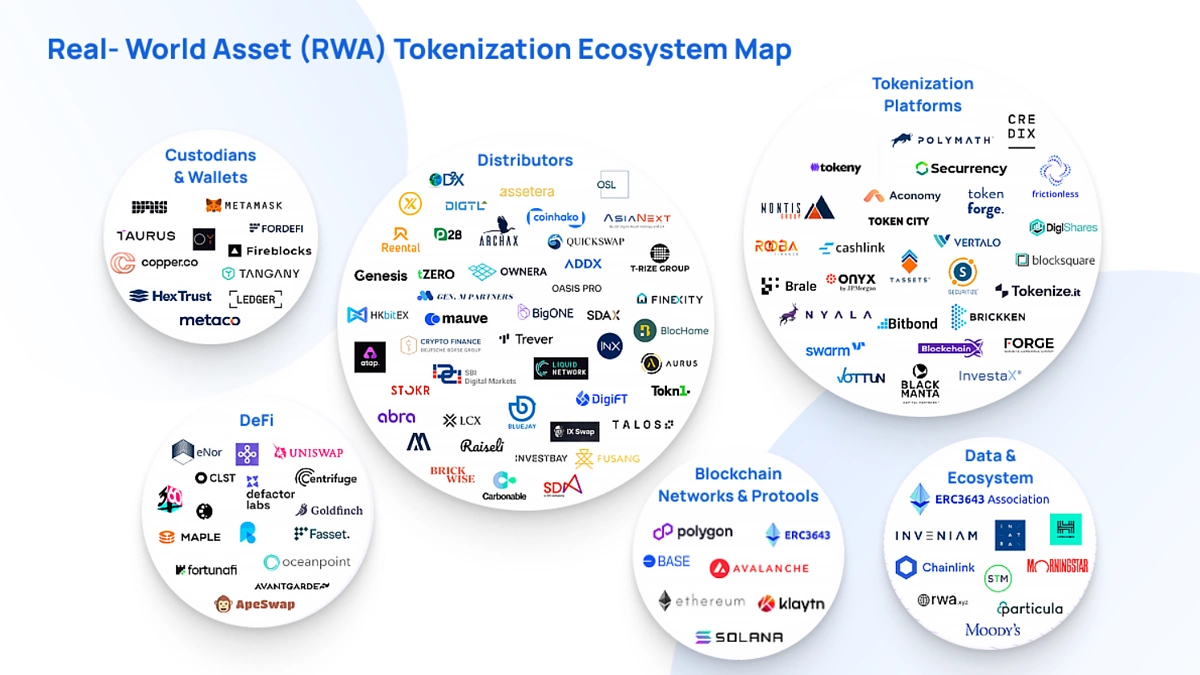
Beyond the native base asset, the RWA sector is increasingly integrating with established tokenized assets. The market is moving from isolated experiments to interconnected liquidity pools where traditional finance meets DeFi. This integration requires rigorous data feeds and transparent backing mechanisms, as noted by industry analysis on RWA tokenization.
For investors and developers monitoring this space, keeping a close eye on the primary RWA tokens is more important than chasing short-term volatility. The stability of these assets ensures that the DeFi hubs built on Base can offer consistent yields and reliable settlement times. As the ecosystem matures, we expect to see a diversification into more complex RWA instruments, but for now, the market remains anchored by the fundamentals of stable, tokenized value.
How to Deploy Capital in Base RWA Hubs
Entering Base’s real-world asset (RWA) ecosystem requires a shift from speculative trading to fundamental due diligence. Unlike pure crypto assets, RWAs carry off-chain legal and operational risks that can decouple token value from the underlying asset. Your strategy must prioritize protocol transparency, legal enforceability, and on-chain verifiability.
1. Verify Legal Structure and On-Chain Transparency
Before allocating capital, audit the legal wrapper governing the asset. Reputable protocols map U.S. and EU regulations clearly, distinguishing between onshore and offshore structures to mitigate regulatory risk. You should only deploy funds into hubs where the legal entity is publicly documented and linked to the smart contract. This ensures that if the off-chain asset faces a claim, the on-chain token holder has a recognized legal recourse.
2. Audit Data Feeds and Oracle Integrity
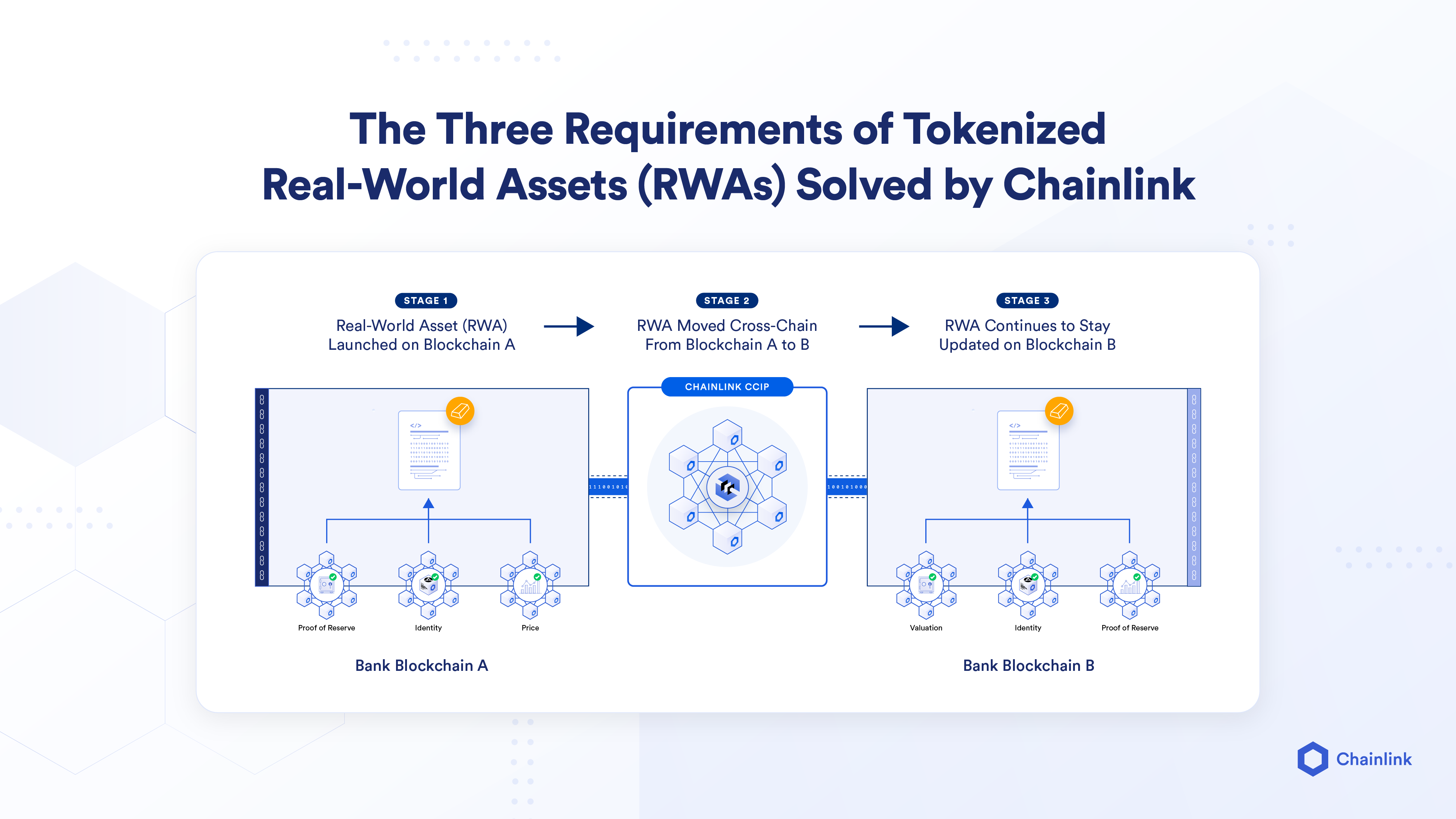
RWA tokens track underlying asset values through trusted data sources. Reputable platforms use multiple data feeds and regular audits to ensure accuracy. On Base, verify that the protocol uses robust oracles, such as Chainlink, to provide real-time pricing. If a protocol relies on a single data source or lacks transparency in its oracle mechanism, the risk of price manipulation or stale data increases significantly. Look for protocols that allow anyone to verify token backing at any time.
3. Evaluate Liquidity and Exit Mechanisms
RWAs are not as liquid as native crypto assets. Assess the depth of liquidity pools and the ease of exit. Check if the protocol supports secondary trading via decentralized exchanges or if redemptions are handled directly by the issuer. Avoid hubs where large positions could slip prices drastically or where redemption processes are opaque. A healthy RWA hub will have clear, documented exit paths that align with the asset’s settlement cycles.
4. Monitor Protocol Audits and Security
Security is non-negotiable. Ensure the protocol has undergone multiple independent audits from reputable firms. Look for a history of bug bounties and responsible disclosure. On Base, where innovation moves quickly, protocols with a long track record of secure operation are generally safer bets than new entrants. Prioritize hubs that have a clear incident response plan and have transparently reported any past security issues.
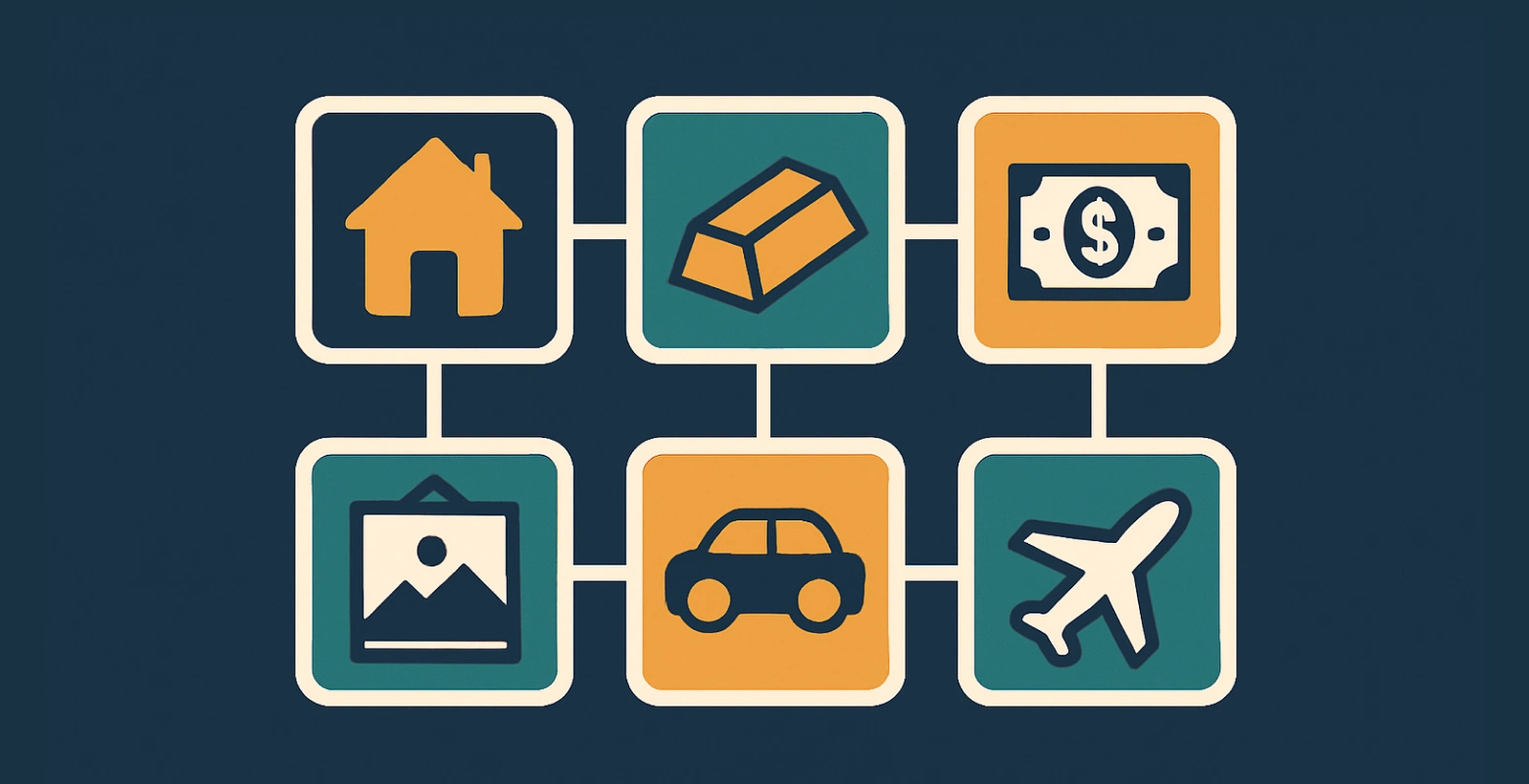
Verify the legal entity governing the asset. Ensure U.S. and EU regulatory compliance is documented and linked to the smart contract. This step mitigates regulatory risk by ensuring on-chain token holders have recognized legal recourse.
Confirm the protocol uses multiple trusted data feeds, such as Chainlink, for real-time pricing. Avoid single-source oracles. On-chain transparency allows you to verify that token backing matches off-chain asset values at any time.
Evaluate secondary trading options and redemption processes. Ensure large positions can be exited without significant price slippage. Prioritize hubs with clear, documented exit paths aligned with asset settlement cycles.
Prioritize protocols with multiple independent audits and a history of transparent incident reporting. Look for active bug bounties and a clear response plan. On Base, established security records are a stronger indicator of safety than new innovation.
| Factor | High Risk | Low Risk |
|---|---|---|
| Legal Structure | Opaque or offshore-only | Publicly mapped onshore/offshore |
| Oracles | Single data source | Multiple feeds (e.g., Chainlink) |
| Liquidity | Shallow pools, opaque redemptions | Deep pools, clear exit paths |
| Security | No audits, no bounties | Multiple audits, transparent history |
Common questions about Base RWAs
What are real world assets in DeFi?
Real-world assets (RWAs) are traditional financial instruments—such as government bonds, commodities, equities, private credit, and real estate—represented as digital tokens on a blockchain. This tokenization enables on-chain ownership, transfer, and settlement, bridging traditional finance with decentralized infrastructure.
How do RWA tokens work?
RWA tokens track their underlying assets through trusted data sources, such as Chainlink, which provide real-time pricing feeds. Reputable platforms utilize multiple data streams and regular audits to ensure accuracy, while on-chain transparency allows anyone to verify the token backing at any time.
How to invest in RWAs on Base?
You can buy, sell, and trade RWAs like any other token via Swaps on MetaMask. To get started, update to the latest version of MetaMask on iOS or Android, then connect to the Base network and execute the swap directly in your wallet.
No comments yet. Be the first to share your thoughts!