Choose your hub strategy
A Base RWA hub is the infrastructure layer where off-chain assets meet on-chain liquidity. Think of it as the bridge between traditional finance and decentralized finance. Your strategy depends on your capital size and risk tolerance.
Infrastructure Layer
This layer includes custodians, SPVs, and bridges. It handles verification and custody. You need this layer to tokenize real-world assets. Look for official sources that confirm legal structures. Do not trust unverified claims.
Protocol Layer
This layer includes lending protocols and DEXs. It handles deployment and exit. You need this layer to access yield and liquidity. Check for slippage and impermanent loss risks. Use reputable protocols with proven track records.
Entry Points
Small capital: Start with stablecoin yields on Base. Medium capital: Explore tokenized treasuries. Large capital: Consider private credit or real estate. Each entry point has different risks and rewards.
What is the difference between the infrastructure and protocol layers?
The infrastructure layer handles the legal and technical tokenization of assets. The protocol layer provides the on-chain environment for trading and lending those tokens.
Is it safe to invest in RWA hubs on Base?
Safety depends on the specific hub. Verify the custodian, bridge, and legal structure. Base is an L2, so settlement security is critical.
How do I exit an RWA position?
Exit via the protocol layer. Check liquidity depth and slippage. Some assets may have lock-up periods.
What are the risks of RWA tokenization?
Risks include smart contract bugs, bridge exploits, legal disputes, and liquidity shortages. Diversify and do your own research.
Verify asset issuance and custody
Before you deploy capital into any Base Real-World Asset DeFi hub, you must treat the token like a receipt, not the asset itself. The token is merely a digital claim on the underlying real-world asset. If the legal structure fails, the token becomes worthless. You need to confirm that the asset exists, is legally separated from the issuer, and is properly held.
Follow this sequence to verify the issuance and custody of an RWA.

First, identify the legal entity that issued the token. In a compliant RWA structure, the issuer usually creates a Special Purpose Vehicle (SPV) to hold the asset. This SPV isolates the asset from the issuer’s other liabilities. If the issuer goes bankrupt, the SPV’s assets should remain untouched by creditors. Check the entity registration in the jurisdiction where the SPV is incorporated. Look for clear separation between the operating company and the asset-holding vehicle.
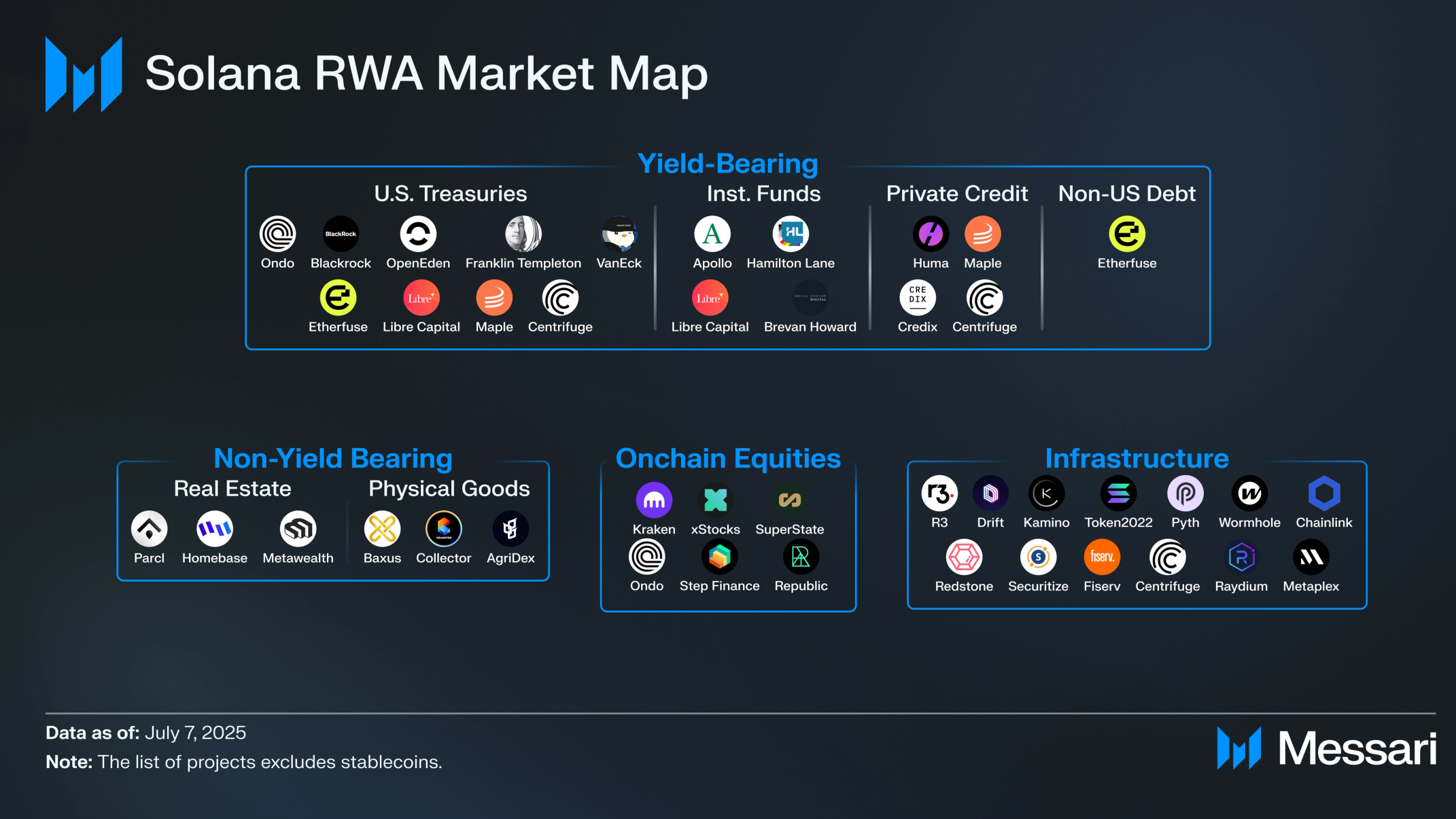
Review the offering memorandum and the trust agreement. These documents define who owns the asset and how the token represents that ownership. The SPV must have clear title to the underlying asset, whether it’s real estate, treasury bills, or private credit. Ensure the agreement specifies that the token holders have direct or indirect beneficial ownership. Avoid structures where the issuer retains discretionary control over the asset without clear redemption rights.
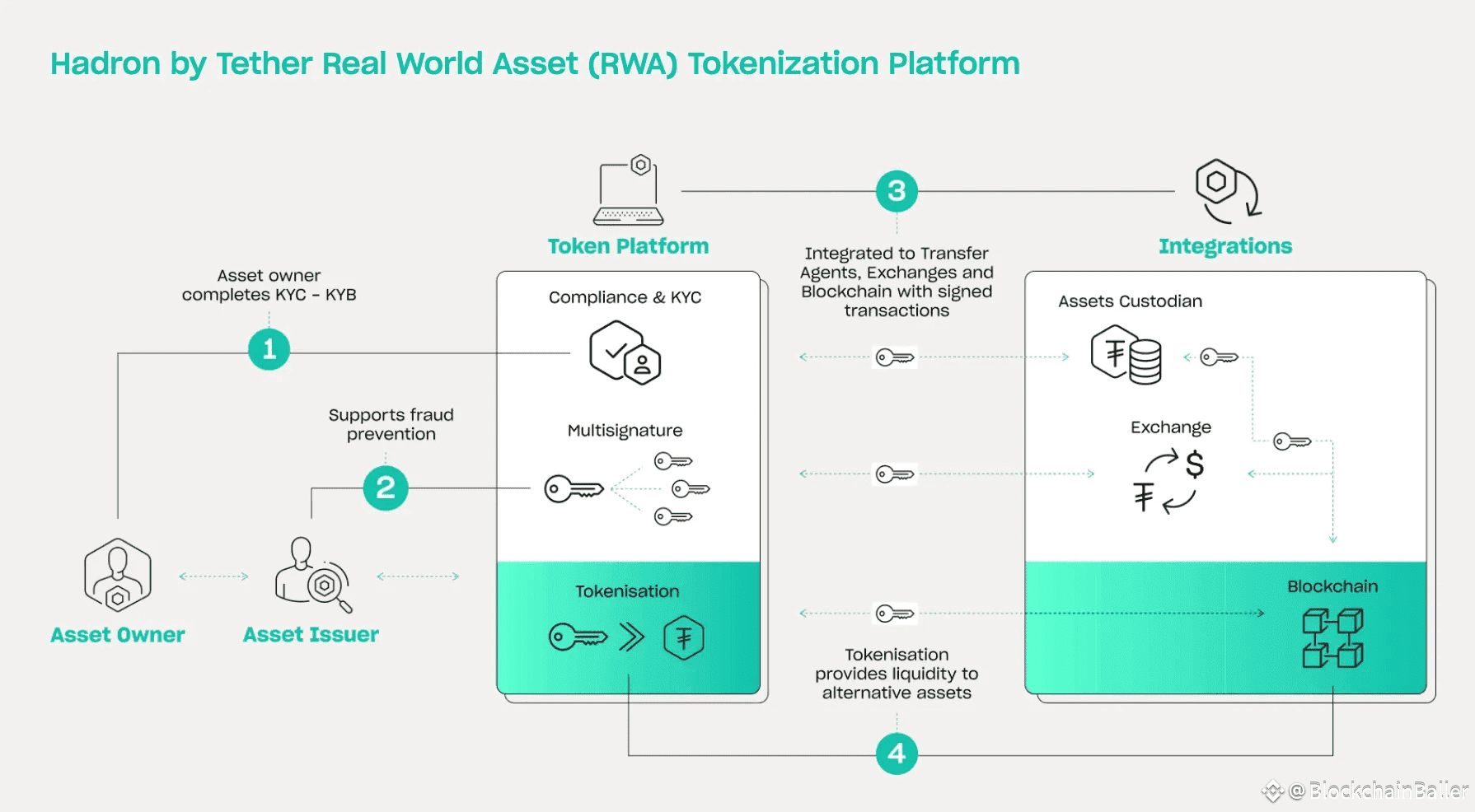
Identify the third-party custodian holding the physical asset or cash. Reputable RWAs use regulated custodians, not the issuer themselves. The custodian should provide regular, independent attestations or audits. These reports confirm the asset is still there and matches the on-chain supply. If the custodian is unregulated or affiliated with the issuer, the risk of commingling funds increases significantly.
Finally, verify that the number of tokens on Base matches the value of the asset held off-chain. This is the "1:1" proof. Check the token contract’s total supply against the latest custodian attestation. If the supply exceeds the audited asset value, the token is over-issued. Ensure the minting function is restricted or paused after the initial issuance to prevent unauthorized expansion of the token supply.
Deploy capital into lending pools
Base Real-World Asset DeFi Hubs works best as a clear sequence: define the constraint, compare the realistic options, test the tradeoff, and choose the path with the fewest hidden costs. That order keeps the advice usable instead of decorative. After each step, pause long enough to check whether the recommendation still fits the reader's actual situation. If it depends on perfect timing, unusual access, or a best-case budget, include a simpler fallback.
The simplest way to use this section is to write down the real constraint first, compare each option against it, and choose the path that still works outside ideal conditions.
Manage liquidity and exit risks
Base Real-World Asset DeFi Hubs works best as a clear sequence: define the constraint, compare the realistic options, test the tradeoff, and choose the path with the fewest hidden costs. That order keeps the advice usable instead of decorative. After each step, pause long enough to check whether the recommendation still fits the reader's actual situation. If it depends on perfect timing, unusual access, or a best-case budget, include a simpler fallback.
The simplest way to use this section is to write down the real constraint first, compare each option against it, and choose the path that still works outside ideal conditions.
Check your portfolio before locking
Base Real-World Asset DeFi Hubs works best as a clear sequence: define the constraint, compare the realistic options, test the tradeoff, and choose the path with the fewest hidden costs. That order keeps the advice usable instead of decorative. After each step, pause long enough to check whether the recommendation still fits the reader's actual situation. If it depends on perfect timing, unusual access, or a best-case budget, include a simpler fallback.
The simplest way to use this section is to write down the real constraint first, compare each option against it, and choose the path that still works outside ideal conditions.
No comments yet. Be the first to share your thoughts!