Why Base Chain Leads RWA Tokenization
Base has rapidly emerged as the primary infrastructure for real-world asset (RWA) tokenization, driven by a unique combination of low transaction costs, seamless Coinbase integration, and growing developer activity. For investors and institutions, these factors reduce the friction of onboarding traditional assets like real estate, treasury bills, and private credit onto the blockchain.
The economic advantage of Base is immediate. With gas fees often a fraction of those on Ethereum mainnet, the cost of minting, transferring, and managing tokenized assets becomes viable for smaller denominations. This accessibility allows for fractional ownership models that were previously too expensive to execute on high-fee networks. The result is a more liquid market where assets can be traded with minimal overhead.
Coinbase’s backing provides a critical bridge between traditional finance and decentralized protocols. By leveraging Coinbase’s extensive user base and regulatory experience, Base offers a pathway for institutional adoption that other Layer 2 solutions struggle to match. This integration simplifies the on-ramp for fiat capital, making it easier for traditional financial entities to participate in the ecosystem without navigating complex custody solutions.
Developer activity on Base reflects this momentum. The network attracts builders focused on compliance and security, essential components for tokenized asset projects. As more protocols deploy on Base, the network effect strengthens, creating a robust environment for innovation in tokenized assets.
The chart above illustrates the trading volume and price action of the Base ecosystem’s primary assets, serving as a proxy for network health and investor interest. Strong volume trends often correlate with increased activity in tokenized asset deployments, signaling sustained confidence in the platform’s utility.
Top RWA Protocols on Base
The Base ecosystem has rapidly become a primary hub for tokenized asset infrastructure, driven by its low fees and deep liquidity integration. Rather than treating Base as just another EVM chain, leading protocols are leveraging its infrastructure to bridge traditional finance with on-chain efficiency. This section compares the top protocols operating on Base, focusing on their specific asset classes, total value locked (TVL), and yield mechanisms.
Understanding the Landscape
Protocols on Base generally fall into three categories: tokenized treasuries, real estate, and private credit. Each serves a different investor profile. Tokenized treasuries offer stability and yield benchmarked to US government debt. Real estate protocols provide exposure to property markets with fractional ownership. Private credit platforms lend directly to businesses, offering higher yields with corresponding risk. Understanding these distinctions is critical for portfolio allocation.
Protocol Comparison
The following table highlights the key differences between leading protocols on Base. These platforms vary in their regulatory approach, asset backing, and target audience.
| Protocol | Primary Asset Class | Estimated TVL | Yield Source |
|---|---|---|---|
| Centrifuge | Private Credit & Real Estate | $500M+ | Loan repayments & property income |
| Ondo Finance | Tokenized Treasuries | $300M+ | US Treasury bills |
| Goldfinch | Unsecured & Secured Credit | $100M+ | Borrower interest payments |
| Clearpool | Institutional Credit | $50M+ | Corporate debt interest |
Key Considerations for Investors
When evaluating these protocols, look beyond the headline yield. Regulatory compliance is a major differentiator. Protocols like Ondo Finance operate with strict SEC compliance, making them suitable for institutional investors. Others, like Goldfinch, use decentralized governance models that may appeal to crypto-native users but carry different risk profiles.
Liquidity is another critical factor. Tokenized treasuries often have higher liquidity because they are backed by highly liquid US government debt. Real estate and private credit tokens may have longer lock-up periods or secondary market constraints. Always review the protocol’s smart contract audits and insurance mechanisms.
Evaluating Risk and Reward
The trade-off in tokenized asset investing is clear: lower risk typically means lower yield, and vice versa. Tokenized treasuries offer yields closely tied to the Federal Reserve’s interest rate policy. Private credit and real estate can offer higher returns but come with credit risk, illiquidity, and potential regulatory changes. Diversification across these categories can help balance your exposure.
Infrastructure layers and custody
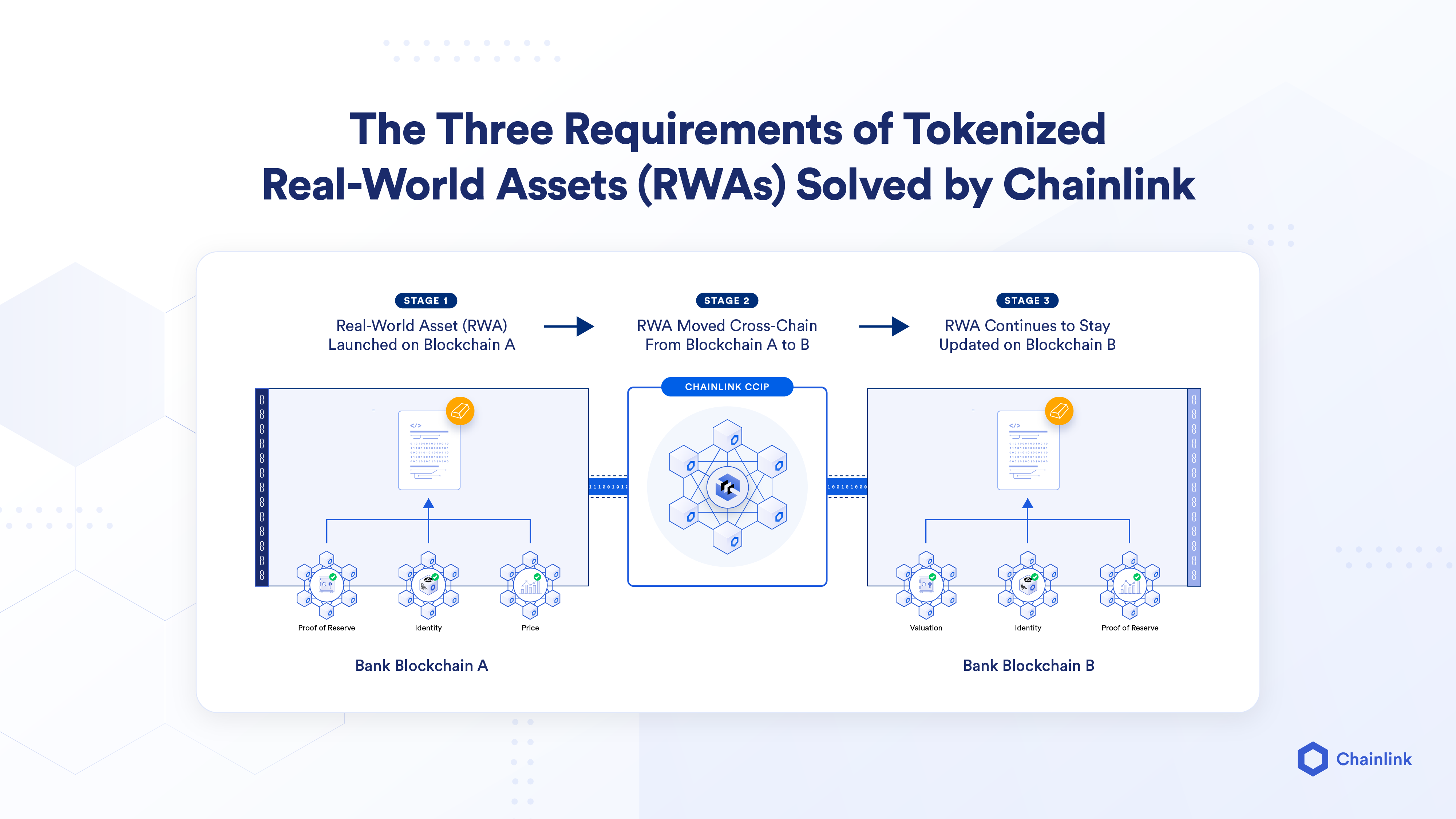
Building tokenized asset infrastructure on Base requires more than just deploying a smart contract. It demands a robust technical stack that bridges off-chain legal structures with on-chain liquidity. This infrastructure ensures that the digital token accurately represents the underlying physical asset, from real estate to treasury bills.
Standard ERC-20 tokens lack the granularity needed for regulated assets. For tokenized assets on Base, standards like ERC-3643 (T-REX) are preferred. These standards embed compliance directly into the token logic, allowing for built-in identity verification and transfer restrictions. This ensures that only whitelisted, KYC-verified investors can hold or trade the asset, aligning on-chain mechanics with off-chain legal requirements.
On-chain protocols need reliable data to price off-chain assets accurately. Oracles like Chainlink serve as the bridge, feeding real-time valuation data into Base smart contracts. This is critical for collateralized loans or yield-bearing tokens, where the token’s value must reflect the current market price of the underlying asset. Without this data layer, automated liquidations and yield distributions would be impossible to execute fairly.
The most critical component is the custodian. A digital token is only as good as the asset it represents. Regulated custodians hold the actual physical or financial assets in segregated accounts, providing the legal proof of reserve. This off-chain safety net ensures that if the blockchain layer experiences issues, the underlying value remains secure and redeemable. Transparency reports from these custodians are essential for investor confidence.
This stack transforms traditional finance assets into liquid, programmable instruments. By combining compliant standards, reliable data feeds, and secure custody, Base becomes a viable hub for institutional-grade DeFi.
Strategy for tokenized asset exposure on Base
Gaining exposure to tokenized assets on Base requires selecting a strategy that matches your risk tolerance and capital size. The ecosystem offers three distinct paths: direct token holding, yield farming through liquidity provision, and institutional-grade access. Each approach carries different levels of complexity and regulatory oversight.
Direct Token Holding
The simplest way to participate is by holding tokenized asset-backed tokens directly in your wallet. On Base, this often means acquiring tokens issued by platforms like Ondo Finance or Centrifuge, which represent fractional ownership in treasury bills, private credit, or real estate. You benefit from potential appreciation in the underlying asset’s value and any distributed yields, but you remain exposed to smart contract risk and platform solvency. This strategy suits investors who want long-term exposure without active management.
Yield Farming and Liquidity Provision
For those seeking higher yields, providing liquidity to tokenized asset trading pairs on Base-based DEXs like Aerodrome offers a more active role. By supplying liquidity to pools containing these tokens and stablecoins like USDC, you earn trading fees and potential protocol incentives. However, impermanent loss can erode profits if the token’s price diverges significantly from the paired asset. This strategy demands constant monitoring and a strong understanding of DeFi mechanics.
Institutional Access and Tokenized Funds
Institutional investors and high-net-worth individuals can access tokenized asset exposure through tokenized funds or regulated vehicles built on Base. These structures often involve legal wrappers and compliance layers, such as KYC/AML checks, to meet regulatory requirements. While less liquid and more complex to enter, they offer greater transparency and often lower fees than traditional fund structures. This path is ideal for those seeking regulated, scalable exposure to real-world asset classes.
Compliance and Risk Factors
Navigating Base tokenized asset hubs requires a clear-eyed view of the regulatory and technical risks involved. While the infrastructure offers efficiency, it operates in a complex legal environment where regulations are still evolving. Investors must understand that tokenized assets are not immune to traditional market risks, nor are they shielded from the unique vulnerabilities of decentralized finance.
Regulatory Uncertainty
The legal status of tokenized real-world assets varies significantly by jurisdiction. In the United States, the Securities and Exchange Commission (SEC) and the Commodity Futures Trading Commission (CFTC) have overlapping jurisdictions that can create compliance hurdles. Projects must ensure their underlying assets meet specific criteria to avoid being classified as unregistered securities. This regulatory ambiguity means that rules can change, potentially impacting the liquidity or legality of certain tokenized instruments.
Smart Contract and Custody Risks
Beyond regulation, the technical foundation of Base tokenized asset hubs introduces distinct risks. Smart contract vulnerabilities remain a primary concern; a single bug in the code governing asset issuance or transfer can lead to significant financial loss. Custody solutions vary in their security models. Whether assets are held in self-custody wallets or by regulated third-party custodians, each method carries its own set of failure points, from private key management errors to institutional insolvency.
Market and Liquidity Risks
Liquidity in tokenized asset hubs can be thinner than in traditional markets. During periods of market stress, the ability to exit positions quickly may be limited, leading to slippage or frozen withdrawals. Additionally, the value of the underlying asset—whether it’s real estate, treasury bills, or private credit—directly impacts the token’s price. Investors should conduct thorough due diligence on both the legal structure of the asset and the technical robustness of the Base-based protocol managing it.
Common questions about Base tokenized assets
Investors often ask how Base tokenized asset hubs handle liquidity and entry barriers. Unlike traditional real estate or private credit, Base-based tokenized assets generally offer higher liquidity because they trade 24/7 on decentralized exchanges. However, depth varies significantly by project. Always check the current liquidity pool size on a block explorer before committing capital.
Minimum investment sizes on Base are typically much lower than institutional equivalents. Many tokenized asset protocols allow fractional ownership, meaning you can often start with as little as $10 to $50. This democratization allows smaller investors to access asset classes like commercial real estate or fine art that were previously out of reach.
Tax implications depend on your jurisdiction, but tokenized assets are generally treated as property. Every trade, yield distribution, or redemption event is a taxable occurrence. Because Base is an L2 on Ethereum, you may need to account for L2 transaction fees in your cost basis. Consult a tax professional familiar with crypto-asset regulations to ensure compliance.
No comments yet. Be the first to share your thoughts!