Why Base leads RWA tokenization
Base has emerged as the dominant layer for real-world asset (RWA) tokenization, driven by a unique combination of institutional trust and consumer accessibility. Unlike other networks that rely solely on developer incentives, Base leverages Coinbase’s massive user base to bridge the gap between traditional finance and on-chain liquidity.
The primary advantage for RWA projects is the seamless integration with Coinbase’s infrastructure. This allows tokenized assets—such as treasury bills, private credit, or real estate—to reach millions of verified users without the friction of complex wallet setups. For institutions, this means compliance and identity verification are handled by a regulated entity, significantly reducing the legal overhead typically associated with launching tokenized securities.
Beyond distribution, Base offers the economic structure necessary for high-volume, low-margin financial instruments. Tokenized RWAs often involve small transaction sizes or frequent rebalancing, which requires minimal gas fees. Base’s low-cost environment ensures that the economics of the underlying asset aren’t eroded by network costs, making it viable to tokenize assets that were previously too expensive to move on-chain.
This infrastructure creates a flywheel effect. As more compliant RWAs launch on Base, the network becomes more attractive to institutional capital seeking regulatory clarity. Conversely, as institutional assets flow in, the ecosystem becomes more robust for retail participants who want exposure to traditional yields. The result is a network where safety and scale reinforce each other.
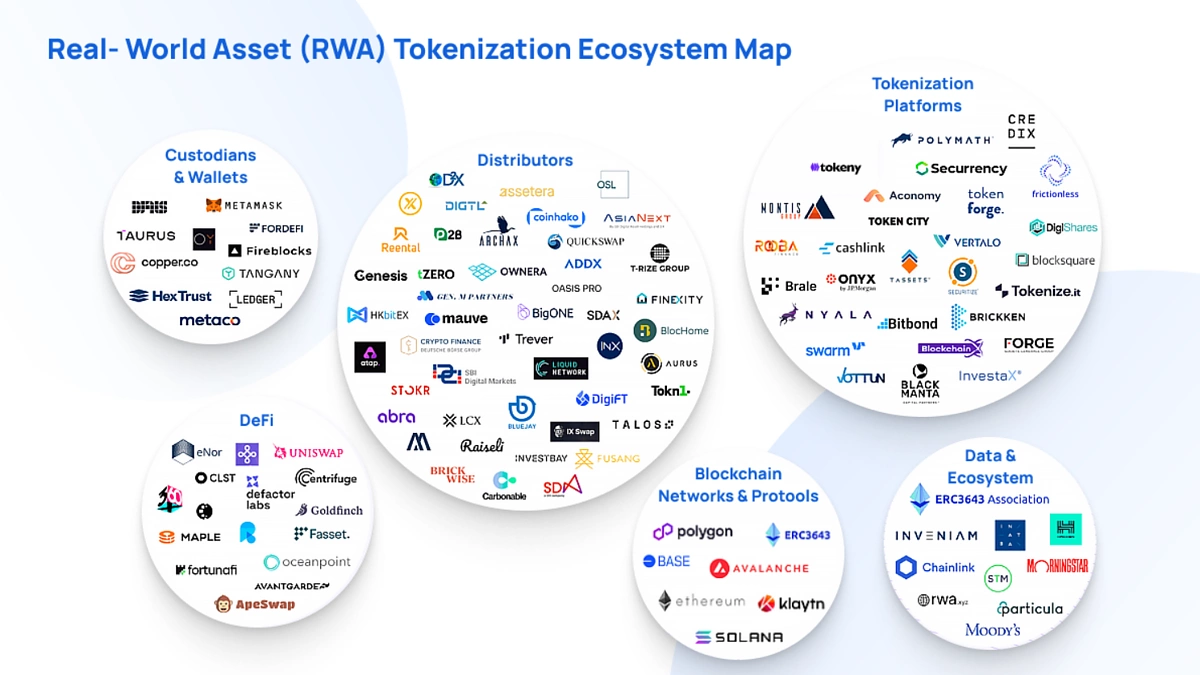
To understand the current state of the ecosystem, we can look at the broader market context where Base operates.
Top hubs for tokenized treasuries
Base has become a primary settlement layer for Real World Assets, particularly tokenized US Treasuries. The appeal is straightforward: on-chain efficiency meets the safety of government-backed debt. However, not all protocols are built the same. Some prioritize seamless yield distribution for DeFi natives, while others focus on institutional-grade compliance for private credit.
Choosing the right hub depends on your risk tolerance and whether you need liquidity or locked yield. Below is a direct comparison of the leading protocols facilitating RWA on Base.
| Protocol | Primary Asset | Est. APY Range | Liquidity Model |
|---|---|---|---|
| Ondo Finance | US Treasuries (USDY) | 5.0-5.5% | High (Secondary Market) |
| Centrifuge | Private Credit & Real Estate | 6.0-8.5% | Medium (Pool-based) |
| Maple Finance | Institutional Stablecoin Credit | 5.5-7.0% | Medium (Pool-based) |
Ondo Finance: The Liquidity Standard
Ondo Finance dominates the US Treasury narrative on Base through its USDY token. It acts as a bridge, allowing holders to earn yield from short-term US Treasuries while maintaining the ability to trade the token on secondary markets. This structure is ideal for users who want treasury exposure but need the flexibility to exit positions quickly. The yield is distributed automatically, and the protocol maintains strict compliance with US securities regulations.
Centrifuge: Private Credit and Real Assets
Centrifuge takes a different approach by tokenizing private credit and real estate assets. Instead of government bonds, it connects borrowers directly with on-chain lenders. This model often offers higher yields than treasuries but comes with longer lock-up periods and lower liquidity. It is best suited for investors comfortable with illiquid assets seeking higher returns in a stablecoin environment.
Maple Finance: Institutional Credit
Maple Finance focuses on institutional-grade stablecoin credit. It allows accredited investors and institutions to lend directly to verified borrowers. The protocol uses a reputation-based system to assess borrower risk, offering yields that typically outperform pure treasury products. While less liquid than Ondo, it provides a more direct link to real-world lending activity.


As an Amazon Associate, we may earn from qualifying purchases.
Selecting the Right RWA Protocol
If you prioritize liquidity and regulatory clarity, Ondo Finance is the strongest option. Its USDY token behaves like a stablecoin with yield, making it easy to integrate into existing DeFi strategies. For those willing to lock capital for higher returns, Centrifuge and Maple offer exposure to private credit markets. Always verify the specific terms of each pool, as APYs fluctuate with market conditions and borrower demand.
The Backend Infrastructure of RWA
On-chain real-world assets (RWA) are not magic; they are the result of precise engineering that bridges traditional finance with blockchain. For Base RWA DeFi hubs to function, they rely on a triad of infrastructure: legal wrappers, institutional custodians, and reliable oracles. This backend is what transforms a physical asset into a secure, tradable digital token.
Legal Wrappers and Custody
The foundation of any RWA is the legal entity that holds the underlying asset. You cannot simply mint a token representing a building or a bond without a clear legal claim. Special purpose vehicles (SPVs) are typically used to hold the asset, ensuring that the token holders have a direct, enforceable right to the value. This structure provides the "official" nature of the connection, separating the digital representation from the physical reality.
Custody is equally critical. Who holds the keys to the physical asset? Institutional-grade custodians, often regulated banks or specialized trust companies, secure the underlying collateral. This ensures that even if a DeFi protocol fails, the asset itself remains safe and separate from the smart contract's code. Without this separation, the token is just a promise, not a claim on value.
Oracles and Data Feeds
Once the asset is secured, it needs a price. Oracles act as the bridge between off-chain data and on-chain smart contracts. They provide real-time pricing for the underlying asset, ensuring that the token's value on Base reflects its real-world counterpart. This is vital for maintaining stability in DeFi protocols, especially when using RWAs as collateral for loans.
The reliability of these oracles is paramount. A feed that lags or provides incorrect data can lead to liquidations or arbitrage opportunities that harm the ecosystem. Base RWA hubs prioritize oracles with strong track records and decentralized data sources to minimize the risk of manipulation.
Compliance and Safety
Compliance is not an afterthought; it is built into the infrastructure. Know Your Customer (KYC) and Anti-Money Laundering (AML) checks are often integrated into the token's smart contract or handled by the custodian. This ensures that only verified participants can trade these assets, reducing regulatory risk for the entire ecosystem.
This combination of legal clarity, secure custody, and reliable data creates a robust foundation for Base RWA DeFi hubs. It allows users to interact with real-world value with the speed and efficiency of blockchain, while maintaining the safety and trust required by traditional finance.
Tracking RWA Yields and Performance
Monitoring tokenized real-world assets requires a different lens than standard DeFi. Because these assets are anchored to traditional finance, their on-chain behavior often mirrors off-chain settlement cycles. You need tools that bridge this gap, showing you not just price action, but the underlying collateral health and yield distribution.
Start with a live view of the primary asset class. For broad exposure to tokenized treasuries, tracking the OUSG price helps gauge the baseline risk-free rate that most RWA protocols are benchmarking against. If the on-chain yield diverges significantly from this baseline, it may signal arbitrage opportunities or liquidity stress.
Beyond price, you need dashboards that visualize yield sources. Platforms like Rebank or DefiLlama offer specific filters for "Real World Assets," allowing you to sort protocols by Total Value Locked (TVL) and current APY. Look for protocols that clearly disclose their custodians and legal structure. Transparency is the primary safety mechanism here; if a dashboard doesn't show where the yield comes from, treat it as a red flag.
Use comparison tables to evaluate trade-offs. Tokenized bonds offer stability but lower yields, while private credit protocols offer higher returns but carry counterparty risk. Filter your analytics tools by these risk profiles. Regularly check the "underlying assets" column in your dashboard to ensure the collateral hasn't been diluted or replaced without notice. Consistent monitoring of these specific data points is the only way to stay ahead of regulatory shifts or liquidity crunches.
Managing risk in Base RWA DeFi
On-chain real-world assets (RWAs) bring traditional finance’s stability to Base, but they also inherit its vulnerabilities. You are no longer just trusting code; you are trusting legal structures, off-chain custodians, and the liquidity of underlying assets. A 2026 strategy must treat these risks as primary variables, not afterthoughts.
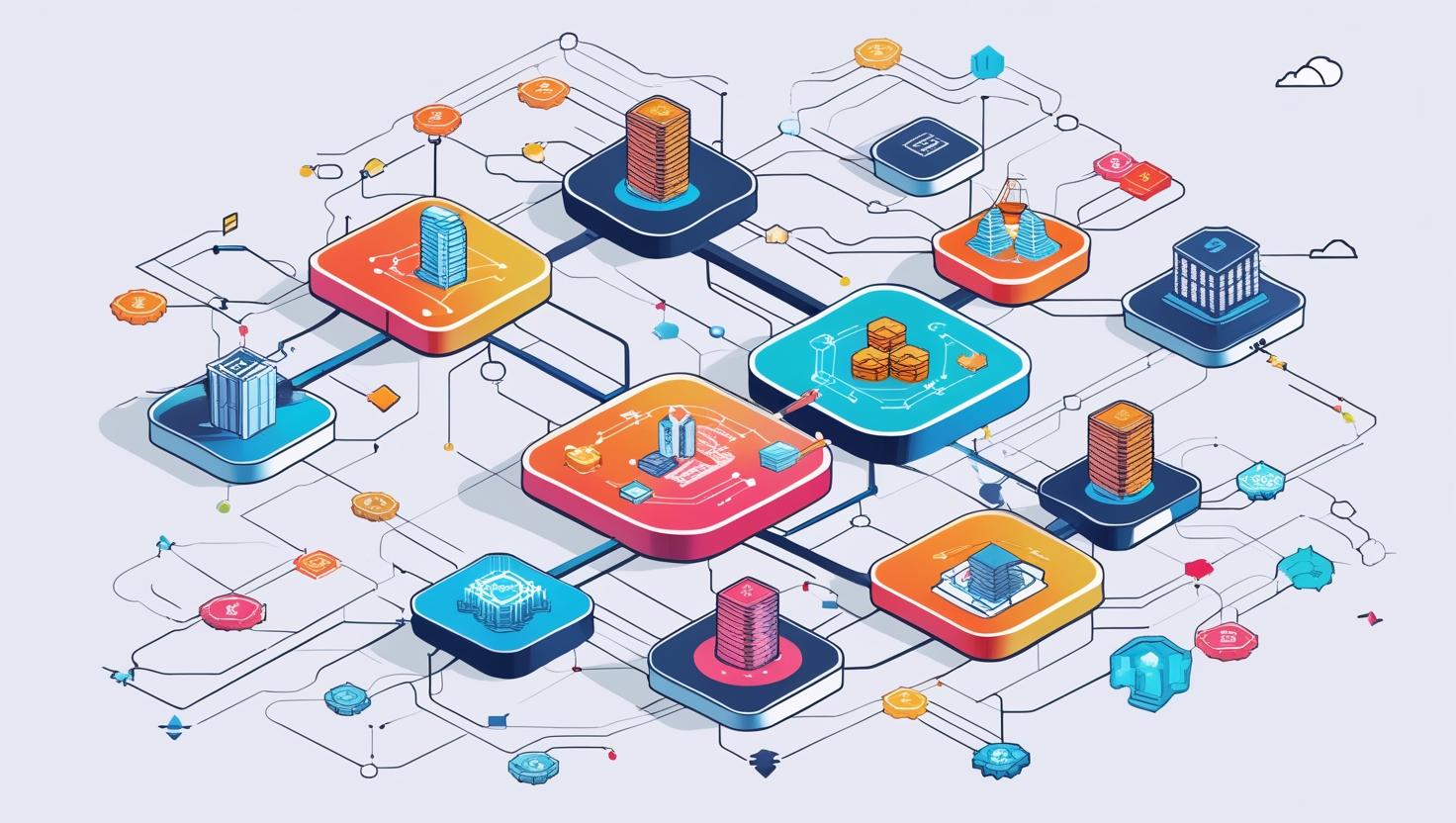
RWAs rely on complex bridges between on-chain tokens and off-chain legal entities. Check for recent third-party audits from firms like OpenZeppelin or Trail of Bits. Look for bug bounties and time-locked upgrades. If the contract lacks transparency or has been unaudited since launch, the smart contract risk is too high for capital preservation.
The token is only as good as the legal entity holding the real asset. Ensure the RWA protocol publishes its special purpose vehicle (SPV) details and auditor reports. Without a clear legal claim to the underlying asset, you are holding a speculative derivative, not a tokenized asset. Conduit and other RWA infrastructure providers emphasize this legal transparency as a baseline requirement.
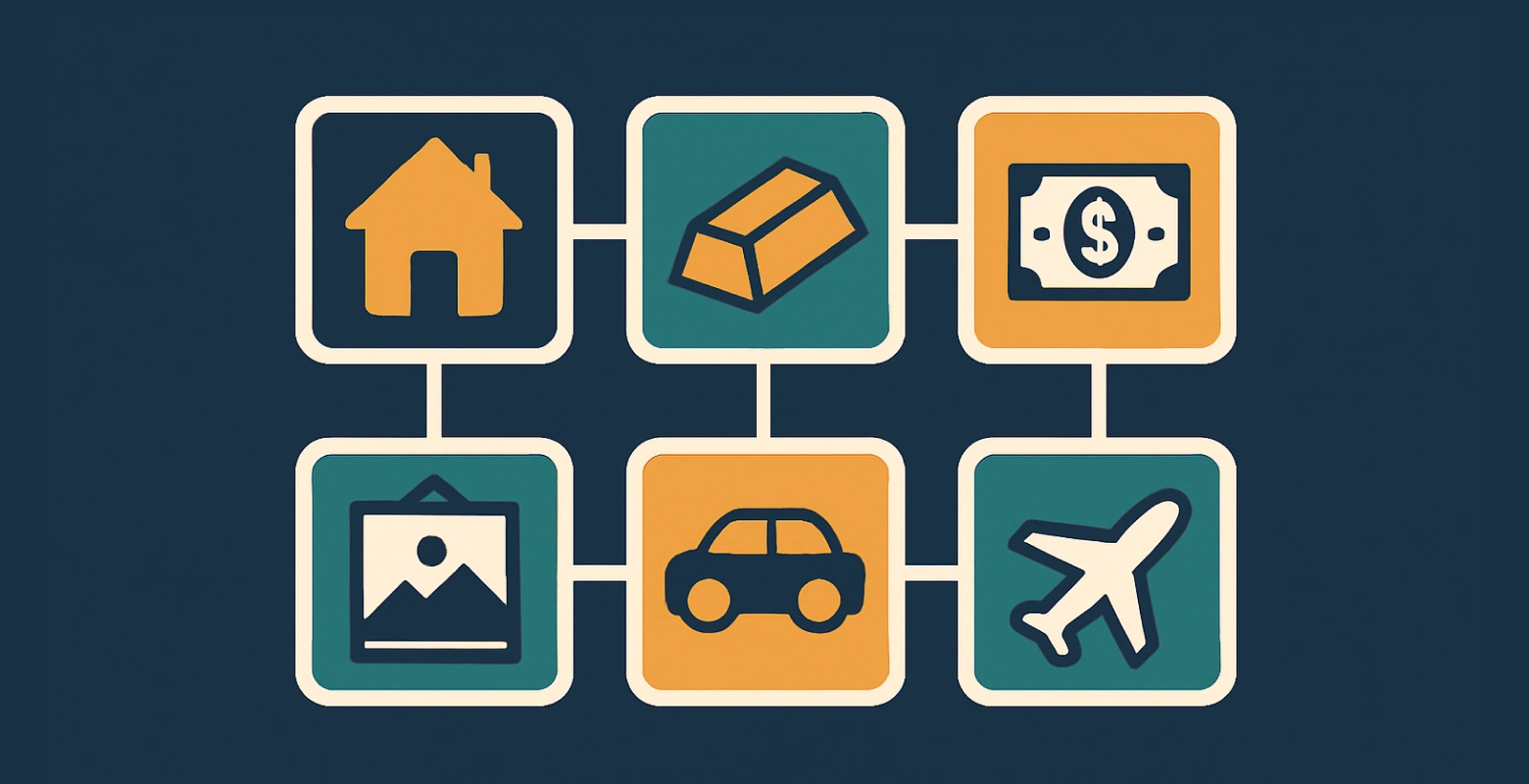
RWAs are often less liquid than native Base tokens. Before committing capital, check the depth of the liquidity pool and the redemption mechanism. Can you exit quickly without slippage? If the protocol relies on a single market maker or has long lock-up periods, your capital is effectively trapped during market stress.
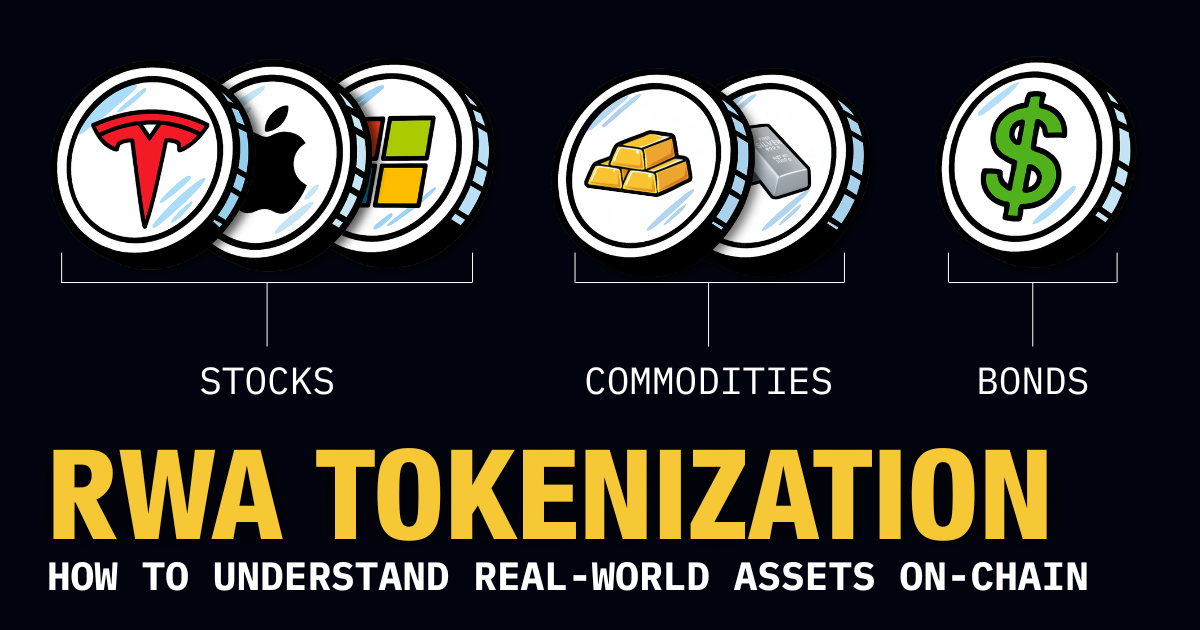
RWA regulations are evolving rapidly. Follow updates from the SEC and local Base jurisdiction regulators. Protocols that proactively engage with compliance frameworks (like KYC/AML for investors) are better positioned to survive regulatory shifts. Avoid protocols that operate in legal gray areas, as they face higher seizure or freezing risks.
By treating legal and liquidity risks with the same rigor as code audits, you protect your Base RWA investments from the most common failure points in the sector.
No comments yet. Be the first to share your thoughts!