Why Base Leads RWA Tokenization
Base has emerged as the primary chain for real-world asset (RWA) tokenization by solving the friction points that have historically kept institutional capital on the sidelines. The combination of low transaction fees and deep integration with Coinbase’s user base creates a unique bridge between traditional finance and decentralized protocols. For RWAs, which often involve high-value, low-frequency transactions, minimizing gas costs is not just a convenience—it is a prerequisite for viability.
The ecosystem benefits from Coinbase’s direct involvement, providing a level of regulatory clarity and institutional trust that other Layer 2s struggle to match. This integration allows for seamless fiat on-ramps and off-ramps, a critical feature for RWA platforms that must handle compliance-heavy operations like KYC/AML checks. Unlike chains that rely solely on speculative activity, Base is attracting projects focused on tangible assets like treasury bills, real estate, and private credit, which require stable, predictable infrastructure.
Institutional adoption is accelerating as major financial players recognize Base’s ability to scale tokenized assets without the volatility and cost issues of earlier generations. The network’s architecture supports the high throughput needed for complex RWA workflows, including automated compliance and real-time settlement. This focus on utility over speculation positions Base as the foundational layer for the next wave of on-chain finance.
The chart above illustrates the liquidity trends within the Base ecosystem, highlighting the growing volume of stablecoin transactions that underpin RWA activities. High stablecoin volume is a leading indicator of institutional interest, as RWAs typically settle in USD-pegged assets rather than volatile tokens. This data reflects the steady accumulation of capital in the ecosystem, driven by projects that prioritize regulatory compliance and real-world utility.
Core infrastructure for tokenized assets
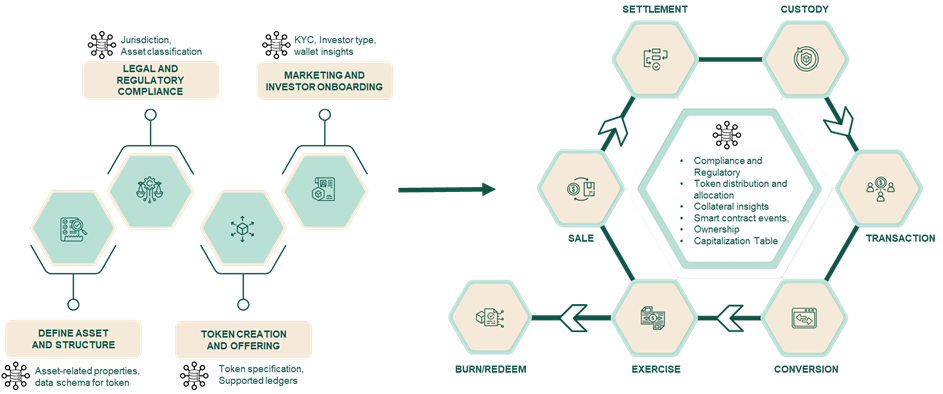
Building real-world assets (RWAs) on Base requires more than just a smart contract. It demands a stack of specialized infrastructure that bridges the gap between traditional finance and decentralized finance. This layer includes oracles for price data, custody solutions for asset safety, and token standards that define ownership rights.
The choice of infrastructure dictates the security and liquidity of the token. If the oracle feeds are delayed or the custody provider fails, the on-chain representation loses its tether to reality. We compare the leading protocols below to show how they handle these critical functions.
Infrastructure comparison
The table below outlines the core infrastructure components used by major RWA protocols on Base. Note that security models vary significantly; some rely on centralized custodians while others use decentralized vaults.
| Protocol | Primary Asset | Oracle Source | Custody Model |
|---|---|---|---|
| Centrifuge | Real Estate & Invoices | Chainlink | Centralized Partner |
| Goldfinch | Business Loans | Internal/Chainlink | Decentralized Pool |
| Maple Finance | Corporate Credit | Chainlink | Multi-Sig Vault |
| Ondo Finance | US Treasuries | Chainlink | Qualified Custodian |
Why infrastructure matters
Every RWA token is only as strong as its weakest link. A smart contract bug is bad, but a mismatch between the on-chain token and the off-chain asset is catastrophic. This is why selecting protocols with transparent custody and reliable oracles is non-negotiable.
When evaluating these tools, look for proof-of-reserve attestations and clear legal wrappers. The infrastructure should make it easy to verify that the token actually represents the underlying asset.


As an Amazon Associate, we may earn from qualifying purchases.
Tracking Base RWA Infrastructure
You can’t manage what you don’t measure. When trading tokenized real-world assets on Base, you are navigating a bridge between traditional finance and blockchain. One side relies on legal contracts and reserve audits; the other relies on code and smart contracts. If your data is stale, you are trading blind.
Start with RWA.xyz. It is the most comprehensive directory for the tokenization ecosystem. You can filter by blockchain, asset class, and issuer. This helps you verify if a specific RWA protocol is actually active on Base or just a ghost chain. The platform tracks asset managers, tokenization platforms, and the underlying blockchains. Use it to map the landscape before you commit capital.
For real-time market movement, rely on provider-backed widgets. Static prices expire quickly. Use a live price widget for major RWA tokens like USDC or OUSG to see immediate liquidity shifts.
PriceWidget symbol="USDC" assetType="crypto" tvSymbol="BINANCE:USDCUSDT" />
Finally, monitor on-chain activity for red flags. Chainalysis publishes regular reports on tokenized commodities and RWAs. Their data highlights how institutional adoption is shifting. Look for discrepancies between on-chain token supply and off-chain reserve attestations. A sudden drop in volume or a spike in unverified transfers often signals trouble before the price reacts. Keep your eyes on the data, not the hype.
Risks and security considerations
Tokenizing real-world assets sounds straightforward: you put a physical asset on the blockchain. But the bridge between the physical and digital worlds is where the cracks appear. On Base, you are not just trusting code; you are trusting the mechanisms that verify off-chain reality. If that verification fails, the token is just a claim with no backing.
The most immediate threat is oracle failure. Chainlink and other data feeds are the nervous system of RWA protocols, delivering price and status updates. If an oracle is compromised or delayed, the protocol might liquidate positions based on stale data or mint tokens against assets that no longer exist. This is not theoretical; it is the single point of failure for most RWA liquidity pools.
Custody risk is equally dangerous. Who holds the actual gold, real estate deed, or treasury bond? If the custodian is opaque or goes bankrupt, the on-chain token becomes worthless. You must verify proof-of-reserve attestations and smart contract audits before interacting with any RWA protocol. Without independent, real-time verification, you are betting on someone else’s honesty.
Regulatory uncertainty adds another layer of complexity. RWA tokens often fall under securities laws, which vary wildly by jurisdiction. A protocol compliant in one region might be illegal in another. This legal gray area means that even if the tech works, the asset could be frozen or restricted by regulators, locking your capital indefinitely.
How to participate in Base RWAs
Participating in Base real-world asset hubs requires a disciplined approach that prioritizes capital preservation over yield chasing. Because RWAs bridge off-chain legal structures with on-chain code, the risk profile is distinct from pure speculative tokens. You are exposed to smart contract bugs, oracle failures, and the legal enforceability of the underlying asset. Treat this as infrastructure investing, not gambling.
Before connecting a wallet, confirm the legal entity holding the underlying asset. Base RWA protocols rely on trusted issuers to mint tokens against real-world collateral. If the protocol lacks a clear legal wrapper or audit trail for the off-chain asset, the on-chain token is essentially unbacked debt. Look for explicit disclosures about reserve attestations and custodial arrangements.
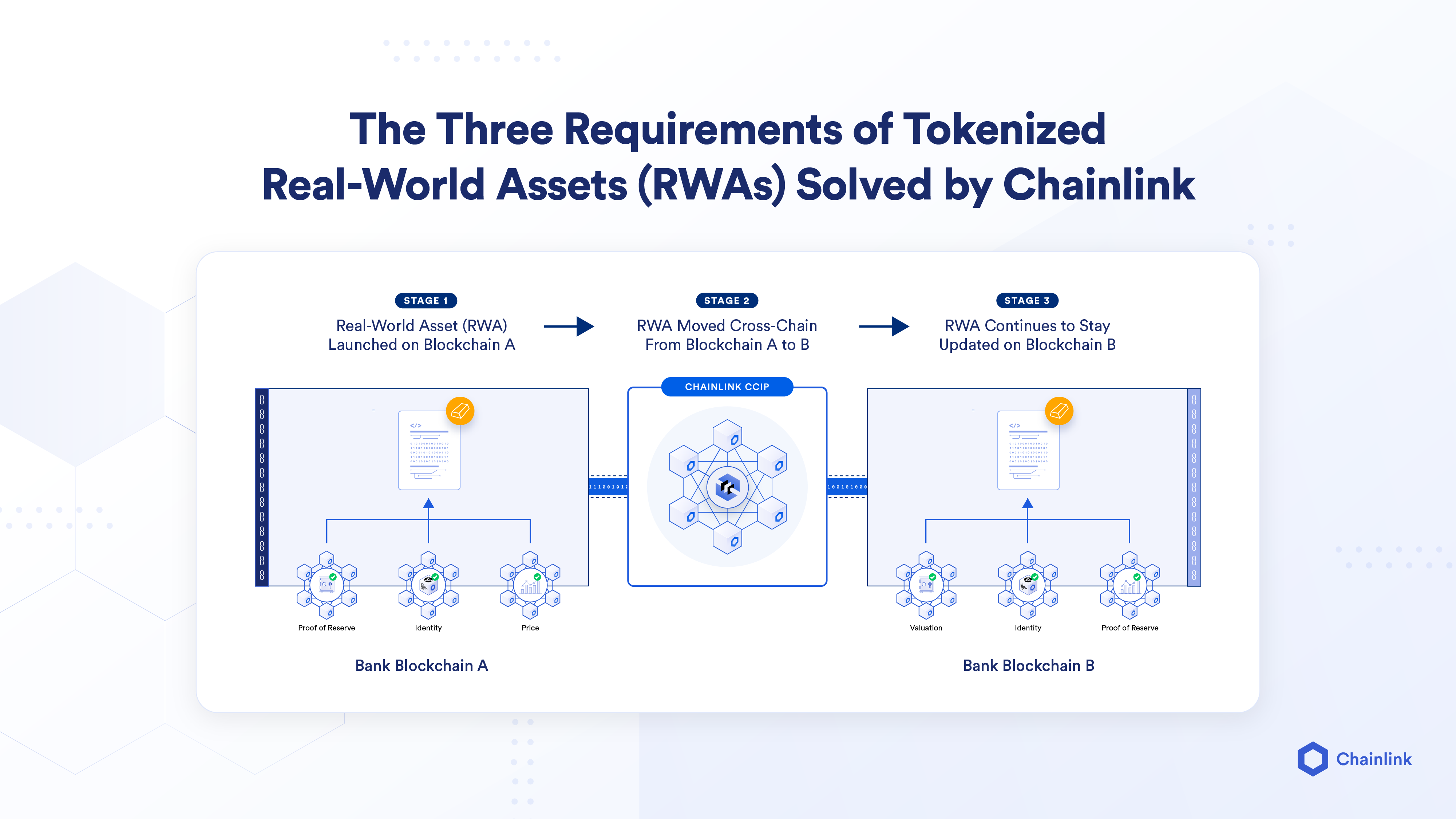
RWA prices depend on accurate data feeds. If the oracle feeding price data to the Base protocol fails or is manipulated, your position could be liquidated incorrectly or the protocol could become insolvent. Prefer protocols that use decentralized oracle networks like Chainlink, which have established track records in maintaining data integrity for tokenized assets.
Limit RWA exposure to a small percentage of your total portfolio, typically 5-10%. These assets offer stability but carry unique risks that are not yet fully understood by the broader market. Avoid leveraging your RWA positions, as the legal recourse for recovering funds in the event of a protocol failure is often limited or non-existent.
RWAs require regular proof-of-reserve updates. If a protocol delays these attestations or changes its reporting frequency, treat it as a red flag. The value of your token is directly tied to the existence and quality of the off-chain asset. Any discrepancy between the on-chain supply and the off-chain reserves is an immediate exit signal.
This strategy minimizes exposure to the structural risks inherent in tokenized assets. By focusing on legal transparency and oracle reliability, you can participate in Base RWA hubs without assuming unnecessary risk.
No comments yet. Be the first to share your thoughts!