Why base dominates RWA tokenization
Real-world assets (RWAs) in blockchain are digital tokens that represent physical and traditional financial assets, such as currencies, commodities, or real estate. While Ethereum remains the primary settlement layer for these complex instruments, Base has emerged as the preferred execution layer for high-volume RWA tokenization. This shift is driven by Base's specific design choices: low transaction costs, high throughput, and deep integration with institutional-grade infrastructure.
The economics of tokenization favor Base. Issuing and managing RWA tokens requires frequent on-chain interactions for compliance checks, interest distributions, and secondary trading. On legacy networks, gas fees can erode the margins of low-value asset tokens. Base’s L2 architecture reduces these costs by orders of magnitude, making it viable to tokenize smaller denominations of assets like private credit or fractionalized real estate. This cost efficiency is not just a technical detail; it is a fundamental requirement for institutional scalability.
Institutional adoption further solidifies Base's position. Major financial players are increasingly deploying RWA projects on Base due to its EVM compatibility and seamless integration with established DeFi protocols. This ecosystem allows institutions to leverage existing security audits, liquidity pools, and compliance tools without rebuilding infrastructure from scratch. The result is a network effect where more RWA projects choose Base, attracting more liquidity and developers, which in turn lowers barriers for new entrants.
To understand the current market context, consider the broader crypto environment. Base’s performance is closely tied to Ethereum’s stability, but its independent fee market allows it to absorb volatility more effectively for smaller transactions. The chart below illustrates ETH's price action, which serves as a proxy for the underlying settlement layer's health and liquidity depth.
Comparing top RWA infrastructure platforms
Selecting the right infrastructure for Base depends on your specific needs for compliance, custody, and settlement. The leading platforms—Tokeny, Liquid Mercury, and Rebank—each offer distinct advantages for issuers looking to tokenize real-world assets. Understanding their differences helps you choose the right fit for your project's scale and regulatory requirements.
Platform feature comparison
The table below outlines the core capabilities of each platform, focusing on their approach to regulatory compliance, asset custody, and settlement mechanisms on the Base network.
| Platform | Compliance Support | Custody Model | Settlement Type | Target Audience |
|---|---|---|---|---|
| Tokeny | Full KYC/AML & Transfer Restrictions | Integrated & Third-Party Wallets | Atomic DvP & Secondary Trading | Institutions & High-Net-Worth |
| Liquid Mercury | Regulatory-First Framework | Institutional-Grade Custodians | Real-Time DvP | Traditional Finance & Banks |
| Rebank | Built-in Compliance Layer | Self-Custody & Partner Solutions | On-Chain DvP | DeFi Native & Startups |
Tokeny: Institutional-grade compliance
Tokeny focuses heavily on regulatory adherence, making it a strong choice for institutions that need strict control over who can hold their tokens. Their platform supports full KYC/AML checks and enforces transfer restrictions directly on-chain. This ensures that only verified investors can participate, which is critical for securities tokenization. Tokeny also offers integrated custody solutions and supports atomic delivery-versus-payment (DvP) settlement, reducing counterparty risk.
Liquid Mercury: Bridging TradFi and DeFi
Liquid Mercury is designed to bridge the gap between traditional finance and decentralized ecosystems. They emphasize a regulatory-first framework, partnering with established custodians to secure assets. Their infrastructure supports real-time DvP settlement, which is essential for high-volume trading. Liquid Mercury is particularly suited for banks and traditional financial institutions that are exploring tokenization but require familiar custody and compliance standards.
Rebank: DeFi-native flexibility
Rebank offers a more flexible approach, catering to DeFi-native projects and startups. Their platform includes a built-in compliance layer that can be customized to different regulatory environments. Rebank supports self-custody options, giving issuers more control over their assets, while also integrating with partner solutions for additional security. Their settlement mechanisms are on-chain and efficient, making them a good fit for projects that prioritize speed and flexibility over rigid institutional structures.
Choosing the right platform
Your choice should align with your project's specific needs. If you are an institution dealing with regulated securities, Tokeny or Liquid Mercury may be more appropriate due to their robust compliance and custody features. For DeFi-native projects or startups that value flexibility and speed, Rebank offers a more adaptable infrastructure. Consider factors like your target investor base, regulatory jurisdiction, and technical requirements when making your decision.
Key tools for onchain credit markets
Bridging traditional credit with DeFi on Base requires more than just listing assets; it demands a specific stack of infrastructure to manage risk, verify ownership, and handle liquidity. The shift from Bitcoin-native strategies to tokenized securities relies on standardized protocols that can interact with real-world legal structures.
At the core of this transition are tokenization platforms and oracles. Platforms like Conduit provide the technical rails to issue compliant tokens, ensuring that the digital representation matches the underlying legal claim. Oracles bridge the gap between off-chain data and on-chain execution, feeding price feeds for treasuries or real estate valuations directly into smart contracts. Without this verification layer, onchain credit markets lack the trust necessary for institutional capital.
To illustrate the liquidity driving these markets, we look at the performance of major stablecoins and RWA tokens. These assets serve as the primary collateral and settlement layers for onchain credit.
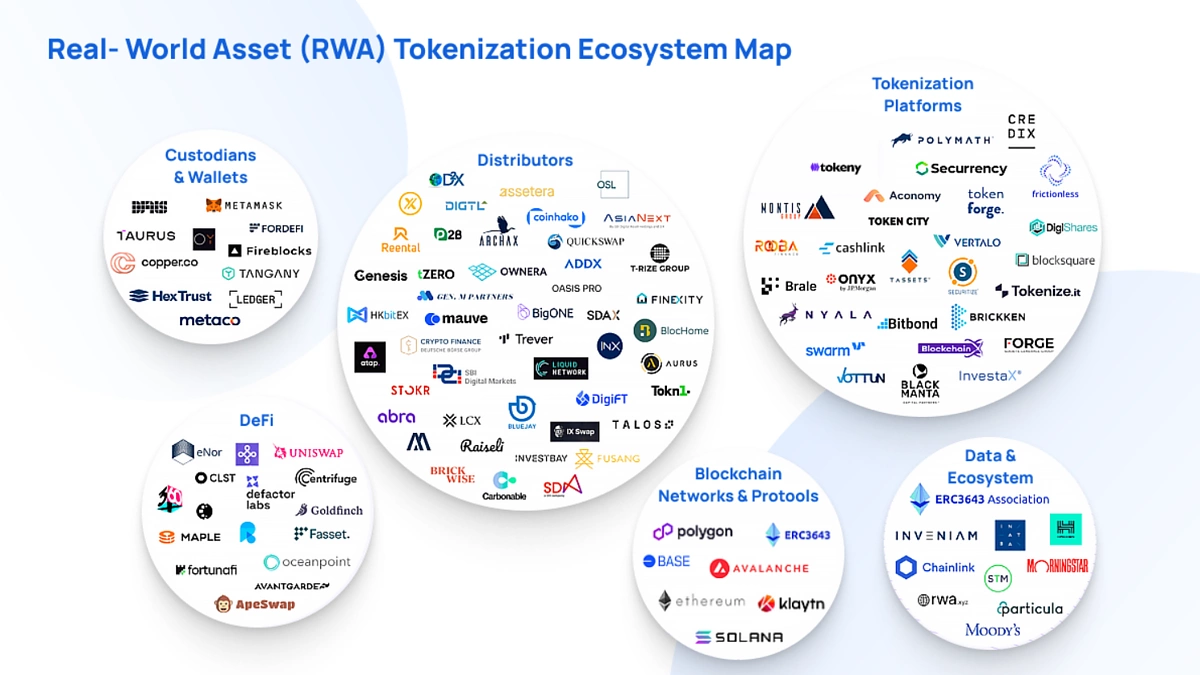
Credit markets on Base also depend on lending protocols and debt issuance frameworks. Protocols like Aave and Compound have integrated RWA pools, allowing users to borrow against tokenized U.S. Treasuries. This creates a direct link between traditional yield-bearing assets and DeFi liquidity. The tools here focus on risk assessment and collateral management, ensuring that the value of the tokenized asset is accurately reflected in real-time.
For a deeper look at how these tools compare in terms of yield, compliance, and accessibility, see the comparison table below.
| Tool Type | Primary Function | Example Protocol |
|---|---|---|
| Tokenization | Issue compliant assets | Ondo, Centrifuge |
| Lending | Borrow against RWAs | Aave, Compound |
| Oracles | Feed off-chain data | Chainlink |
| Legal Structuring | Ensure regulatory compliance | Conduit, Buzko |
Navigating regulatory and custody requirements
Tokenizing real-world assets isn't just a technical upgrade; it's a legal restructuring. For institutional players, the barrier to entry is rarely the code—it's the framework. If the legal wrapper doesn't hold up in court, the token is just a digital receipt for nothing. You need to ensure that the digital claim maps perfectly to the physical reality.
Start with the legal structure. Most RWA deals rely on Special Purpose Vehicles (SPVs) to isolate the asset. In the U.S., this often means navigating SEC regulations for securities. In the EU, MiCA and national transpositions apply. A concise legal guide helps map these onshore versus offshore structures, ensuring your token isn't accidentally classified as an unregistered security. The goal is clarity, not complexity.
Custody is the other half of the equation. Who holds the keys? And who holds the actual asset? Institutional-grade solutions require segregated custody accounts and proof of reserves. Look for platforms that offer Direct Voting and Settlement (DvP) capabilities. This reduces counterparty risk by ensuring that the token transfer and the asset settlement happen simultaneously. It’s the difference between trust and verification.
Callout: Always rely on official or primary legal sources when structuring RWA deals. Relying on secondary summaries can lead to costly compliance gaps.
The infrastructure you choose must support this legal and custody backbone. Compare platforms based on their compliance modules, DvP settlement engines, and secondary trading liquidity. If a platform doesn't explicitly address these regulatory pain points, it’s likely not ready for institutional capital. Build on foundations that prioritize legal certainty over speed.
How to enter the Base RWA market
Entering the Real World Asset (RWA) market on Base requires more than just capital; it demands a rigorous infrastructure stack. You need to verify that the tokenization platform, oracle providers, and custodial solutions are aligned with current regulatory standards. This section outlines the concrete steps to evaluate and deploy capital safely.
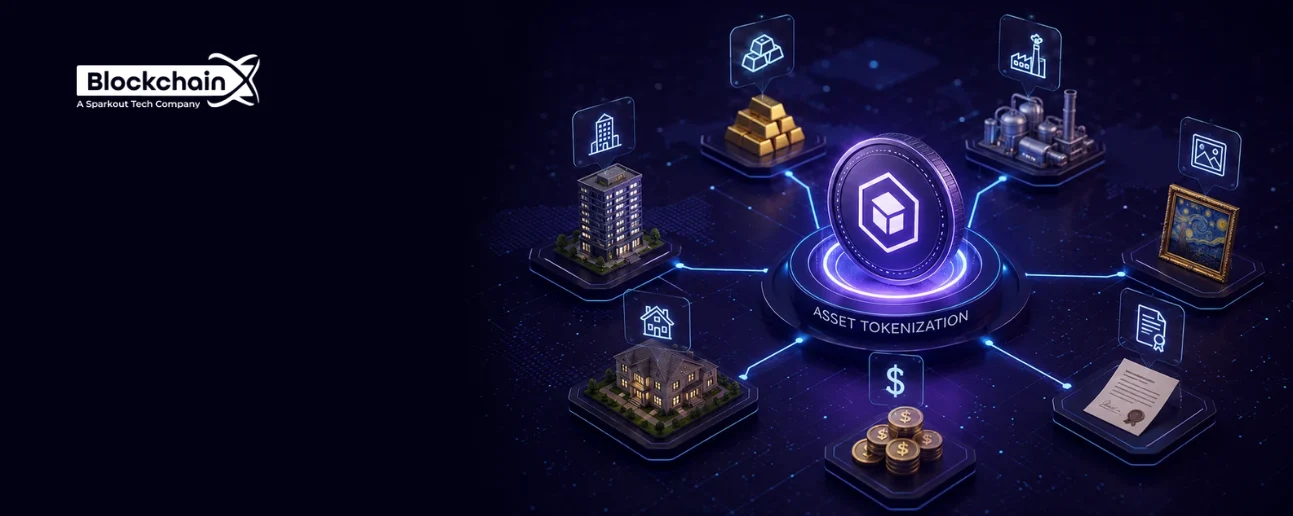
Before interacting with any protocol, confirm the legal structure. RWAs rely on specific legal wrappers (like SPVs) to enforce ownership rights off-chain. Check if the issuer is registered with relevant financial authorities and if the smart contracts have undergone third-party audits. Do not rely on platform marketing materials alone; look for published legal opinions and audit reports.
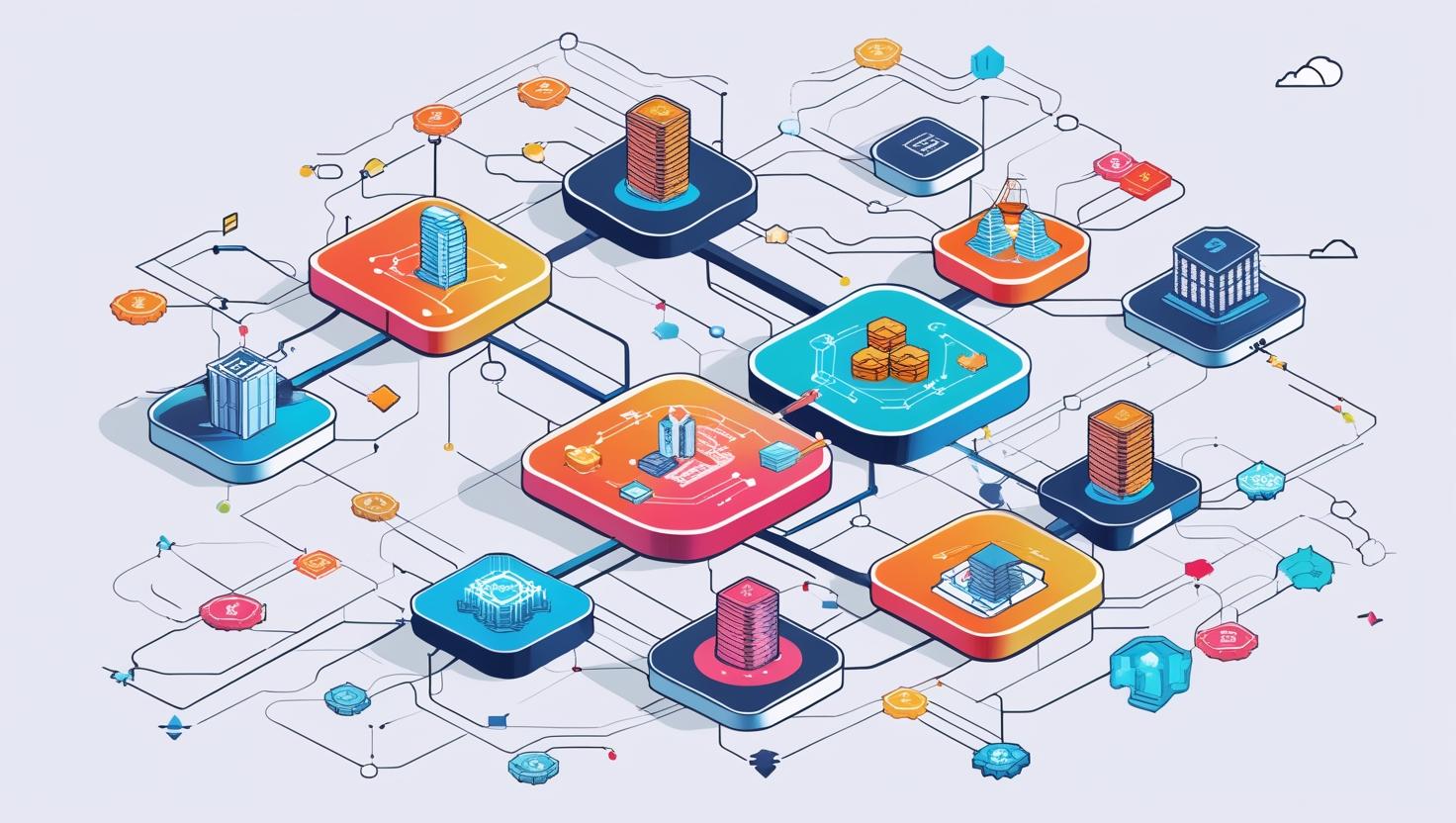
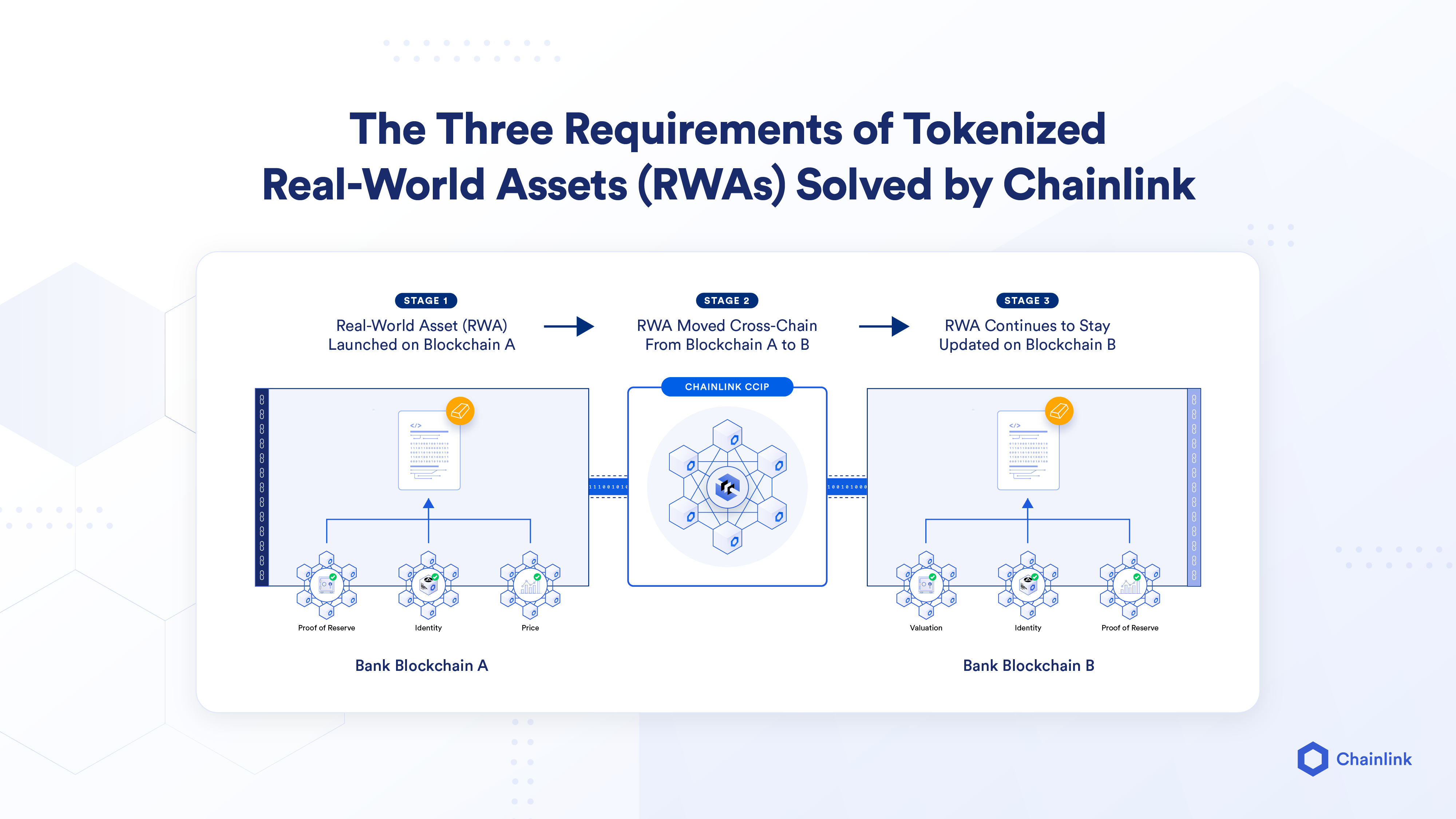
RWA prices and asset states depend on oracles to bridge off-chain data to the blockchain. Ensure the protocol uses reputable, decentralized oracle networks like Chainlink to prevent single points of failure. Verify that the oracle feeds are updated frequently and that the system has fallback mechanisms if data sources go offline.

Use a self-custody wallet that supports ERC-20 and ERC-3643 (SECURITIZED) token standards, which are common in RWA deployments. For larger positions, consider a multi-signature wallet or an institutional-grade custodian to manage private keys securely. Ensure your wallet allows you to view token metadata and contract interactions clearly.
RWAs can suffer from lower liquidity compared to native DeFi assets. Use the Base network explorer and DEX aggregators to check the depth of order books and the volume of recent trades. Avoid entering positions in pools with low liquidity, as slippage can erode returns significantly during market volatility.
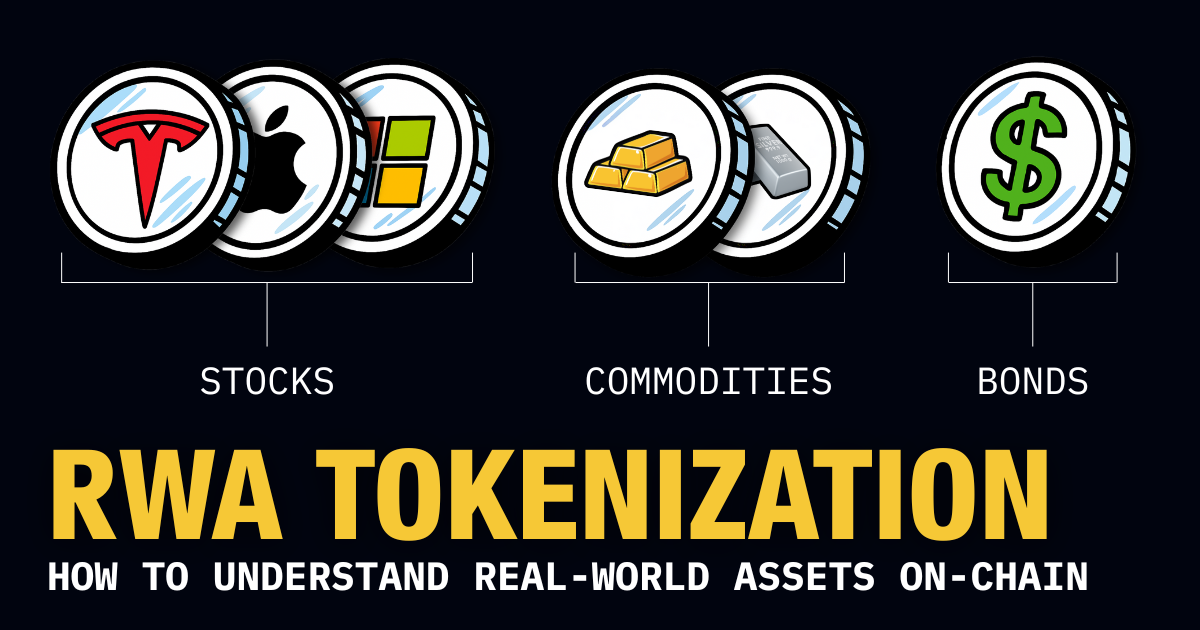
Once your infrastructure is set, execute trades through verified contracts. Use on-chain analytics tools to track the movement of underlying assets and the performance of the tokenized instruments. Set up alerts for contract interactions and liquidity changes to stay informed about the health of your investment.
The Base network offers low fees and high throughput, making it ideal for frequent RWA transactions. However, always prioritize security and compliance over speed. By following these steps, you can plan around the complexities of Base RWA DeFi with greater confidence.
Helpful gear
Use these product recommendations as a starting point, then choose the size, material, and price point that fit how you actually use the gear.

As an Amazon Associate, we may earn from qualifying purchases.
No comments yet. Be the first to share your thoughts!