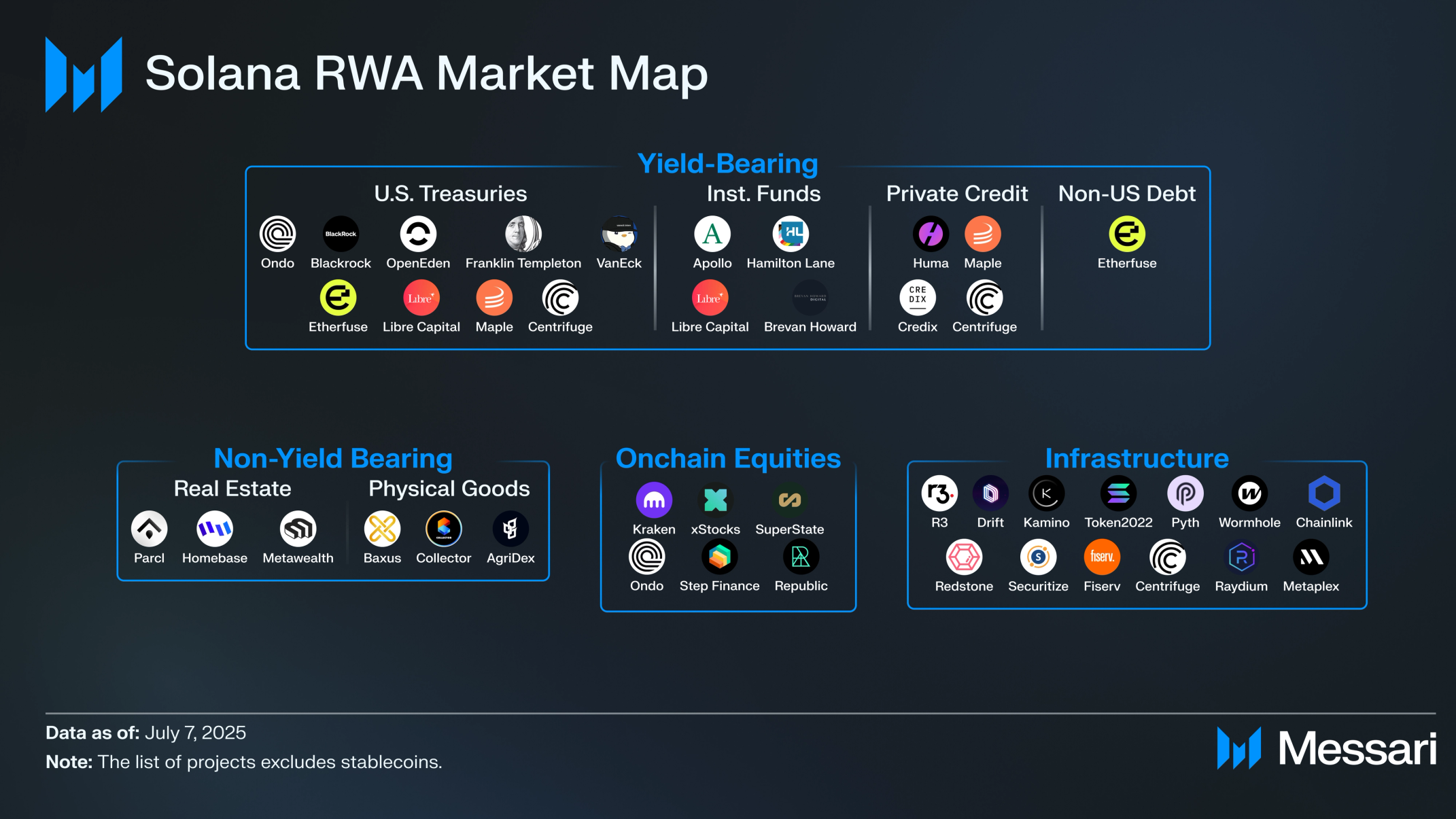
Define the hub’s asset scope
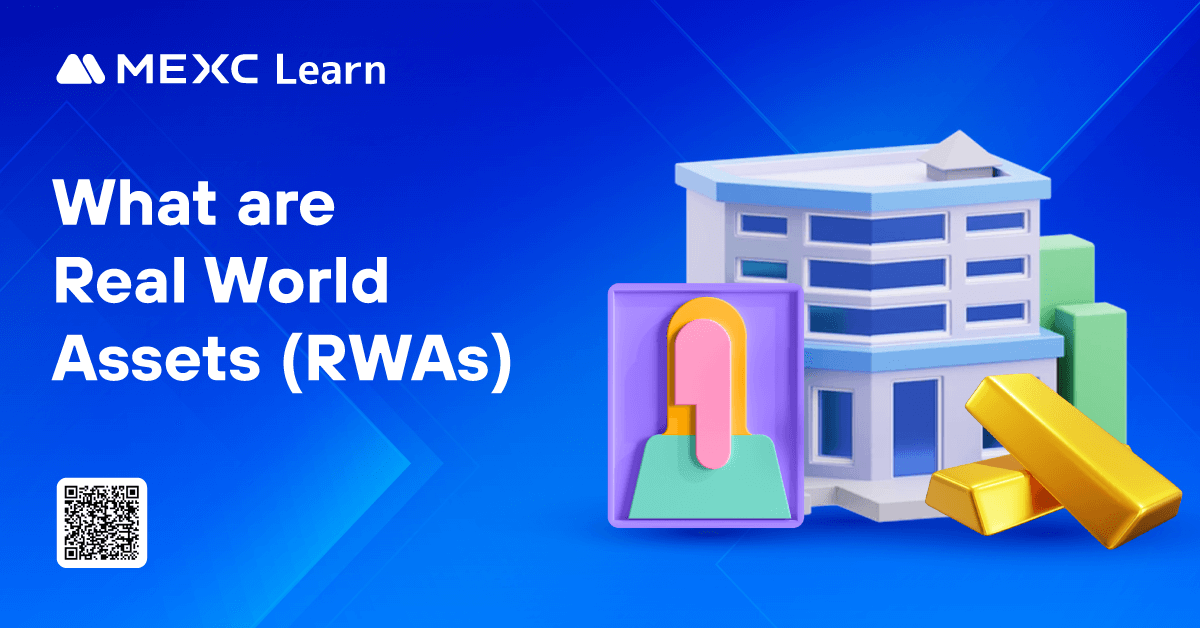
Before deploying contracts on Base, you need to decide exactly which real-world assets (RWAs) your hub will tokenize. RWAs are digital tokens that represent physical or traditional financial assets, such as currencies, commodities, or real estate. The specific assets you choose will dictate your entire compliance strategy, technical architecture, and user base.
Starting with a narrow scope is the most effective way to manage regulatory complexity. If you try to support everything from U.S. Treasuries to private real estate simultaneously, you will face conflicting legal frameworks and operational hurdles. Focus on one asset class first. This allows you to build robust on-chain infrastructure and establish clear legal precedents before expanding.
For example, tokenizing short-term U.S. Treasuries requires different custodial and reporting standards than tokenizing fractional real estate. By limiting your initial scope, you reduce legal risk and ensure that your technical stack aligns with the specific data and settlement needs of that single asset type. Once the first asset class is stable and compliant, you can systematically add others.
Review the legal requirements for your chosen asset class early. Sources like Chainlink’s education hub and legal guides on RWA tokenization provide clear overviews of how different assets are treated under current regulations. Understanding these distinctions now will save you from costly re-architecture later.
Select compliant tokenization infrastructure
Picking the right on-chain standard is the difference between a functional Base DeFi hub and a legal liability. You aren't just choosing a token type; you are choosing how ownership, transfer restrictions, and identity checks are handled programmatically. For real-world assets (RWA), compliance isn't an afterthought—it's the foundation.
Compare tokenization standards
Not all tokens are created equal when regulatory constraints apply. ERC-20 is flexible but naked; it assumes everyone is allowed to trade. ERC-3643 and ERC-1400 are built for permissioned environments, embedding compliance logic directly into the token contract. This means you can enforce KYC/AML checks automatically before a transfer even clears.
The table below breaks down the trade-offs for the most common standards used in institutional RWA on Base.
| Standard | Compliance Model | Gas Cost | Interoperability |
|---|---|---|---|
| Custom Base Contract | Flexible/Off-chain | Variable | Low |
Source: Rebank Practitioner's Guide, Liquid Mercury RWA Platform Guide
Choose your legal wrapper
The technology is only half the equation. Your token needs a legal wrapper that matches the asset class. A real estate token requires a different structure (like a DAO or LLC) than a treasury bill token (usually a SPV). Ensure your smart contract's transfer restrictions align with the securities laws in the jurisdictions of your investors.
Implement identity verification
Base supports lightweight identity layers. Integrate a decentralized identity (DID) provider that can verify investor status without revealing sensitive data publicly. This allows you to create a "whitelist" of approved addresses that can hold and trade your token, automatically blocking non-compliant wallets.
Integrate custody and oracle layers
Build a Base Real-World Asset DeFi Hub works best as a clear sequence: define the constraint, compare the realistic options, test the tradeoff, and choose the path with the fewest hidden costs. That order keeps the advice usable instead of decorative. After each step, pause long enough to check whether the recommendation still fits the reader's actual situation. If it depends on perfect timing, unusual access, or a best-case budget, include a simpler fallback.

Deploy liquidity and trading tools
Build a Base Real-World Asset DeFi Hub works best as a clear sequence: define the constraint, compare the realistic options, test the tradeoff, and choose the path with the fewest hidden costs. That order keeps the advice usable instead of decorative. After each step, pause long enough to check whether the recommendation still fits the reader's actual situation. If it depends on perfect timing, unusual access, or a best-case budget, include a simpler fallback.
The simplest way to use this section is to write down the real constraint first, compare each option against it, and choose the path that still works outside ideal conditions.
Audit and monitor compliance continuously
Build a Base Real-World Asset DeFi Hub works best as a clear sequence: define the constraint, compare the realistic options, test the tradeoff, and choose the path with the fewest hidden costs. That order keeps the advice usable instead of decorative. After each step, pause long enough to check whether the recommendation still fits the reader's actual situation. If it depends on perfect timing, unusual access, or a best-case budget, include a simpler fallback.
The simplest way to use this section is to write down the real constraint first, compare each option against it, and choose the path that still works outside ideal conditions.
Frequently asked questions about Base RWA hubs
Building a hub for real-world assets (RWAs) on Base involves specific legal and technical considerations. Here are answers to the most common questions about legality, security, and accessibility.
Helpful gear
Use these product recommendations as a starting point, then choose the size, material, and price point that fit how you actually use the gear.

As an Amazon Associate, we may earn from qualifying purchases.
No comments yet. Be the first to share your thoughts!