Constraints of Base Real-World Asset DeFi Hubs
Institutional tokenization on Base faces distinct hurdles that differ from Ethereum mainnet or private permissioned ledgers. While Base offers low gas costs and high throughput, real-world assets (RWAs) require more than just efficient settlement; they demand strict regulatory compliance, reliable oracle data, and legal enforceability of off-chain claims. A "hub" on Base must bridge the gap between on-chain liquidity and off-chain legal reality.
The primary constraint is the "oracle problem" for non-financial assets. Unlike cryptocurrencies, whose prices are determined by global markets, RWAs like real estate or private credit rely on periodic valuations. If the data source feeding the on-chain token is manipulated or delayed, the entire hub’s integrity fails. Institutions require audited, institutional-grade data feeds, which are still maturing on Layer 2 networks like Base.
Legal enforceability is the second major bottleneck. Tokenizing a bond or a property deed requires the smart contract to be legally recognized as the definitive record of ownership. Currently, most jurisdictions lack clear frameworks that automatically enforce smart contract terms for RWAs. Without this, the token is merely a speculative derivative of the asset, not the asset itself, limiting institutional adoption.
Finally, liquidity fragmentation remains a challenge. While Base has strong DeFi activity, deep liquidity for specific RWA categories (e.g., tokenized Treasury bills vs. tokenized real estate) is sparse. Institutions need concentrated liquidity pools to enter and exit positions without significant slippage. Until Base-specific RWA hubs develop deeper, category-specific liquidity, they will struggle to compete with established platforms on Ethereum or private banking networks.
Base real-world asset defi choices that change the plan
Institutional tokenization on Base requires balancing liquidity speed against regulatory certainty. Unlike purely speculative DeFi protocols, Real-World Assets (RWAs) tether digital value to physical or traditional financial instruments. This tether introduces specific friction points that affect yield, compliance, and exit strategies. Evaluating these tradeoffs helps institutions select hubs that align with their risk appetite and operational constraints.
The primary decision involves choosing between centralized custodianship and decentralized oracle verification. Centralized models offer faster settlement and clearer legal recourse but introduce counterparty risk. Decentralized models provide transparency but may suffer from slower liquidity depth or oracle manipulation vulnerabilities. Base’s low gas fees make it attractive for high-frequency trading of tokenized assets, but this advantage diminishes if the underlying asset’s liquidity is fragmented across multiple Layer 2s.
| Factor | Centralized Custody | Decentralized Verification |
|---|---|---|
| Settlement Speed | Fast (Off-chain to on-chain) | Variable (Depends on oracle latency) |
| Regulatory Clarity | High (Legal entity liability) | Low (Code-only enforcement) |
| Counterparty Risk | High (Custodian failure) | Low (Smart contract audit risk) |
| Liquidity Depth | Deep (Institutional pools) | Fragmented (Multiple AMMs) |
Yield generation in RWA DeFi often comes from the spread between the asset’s real-world return and the protocol’s operational costs. However, this spread is not guaranteed. Institutional investors must account for custody fees, audit costs, and potential regulatory changes that could freeze assets. For example, tokenized US Treasuries on Base may offer 4-5% yield, but this is net of management fees and requires strict KYC/AML compliance. Pure DeFi protocols offering higher yields often lack the legal backing to enforce claims on the underlying asset.
For institutions prioritizing capital preservation, centralized custody hubs on Base provide a safer entry point. These hubs typically partner with regulated custodians and offer insured assets. For those seeking higher yields and willing to accept smart contract risk, decentralized verification hubs offer more flexibility. The choice ultimately depends on whether the institution values regulatory safety or operational autonomy. As the RWA market matures in 2026, hybrid models are emerging to bridge this gap, offering both legal recourse and decentralized transparency.
Choose the next step
2026 guide: Navigating Base Real-World Asset DeFi Hubs for Institutional Tokenization works best as a clear sequence: define the constraint, compare the realistic options, test the tradeoff, and choose the path with the fewest hidden costs. That order keeps the advice usable instead of decorative. After each step, pause long enough to check whether the recommendation still fits the reader's actual situation. If it depends on perfect timing, unusual access, or a best-case budget, include a simpler fallback.
Watch Out for Weak RWA Options
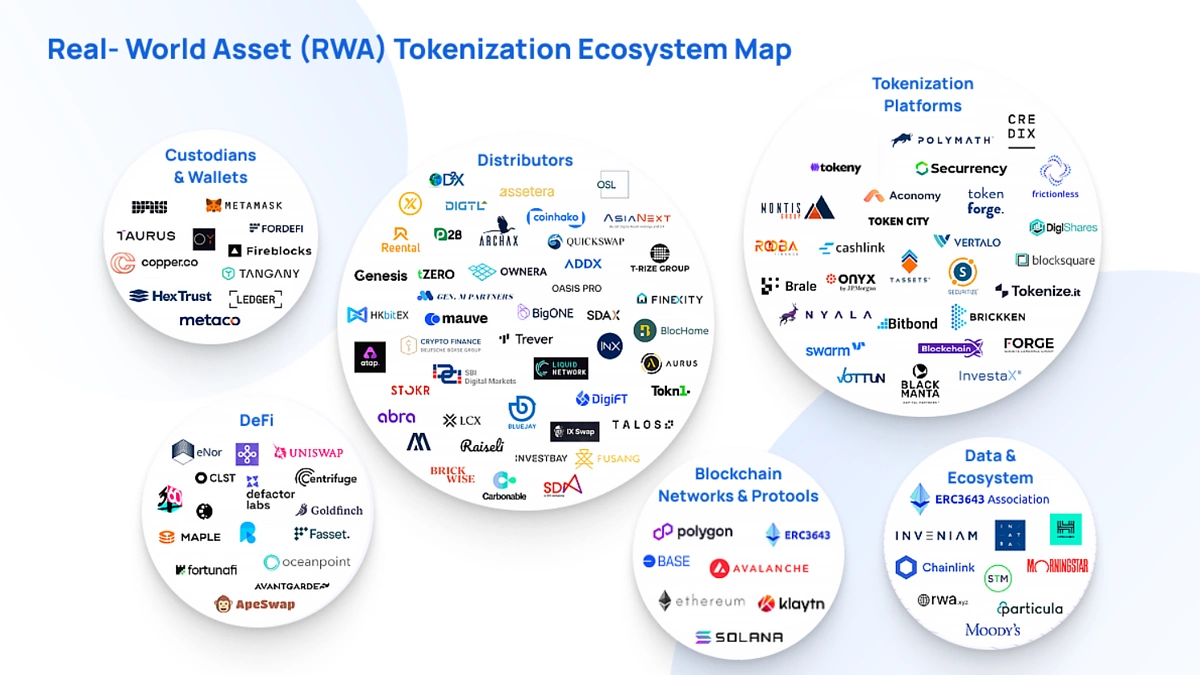
Not every Base tokenization project offers the institutional-grade security required for serious capital deployment. The Base ecosystem is expanding rapidly, but several platforms rely on opaque legal wrappers or lack sufficient liquidity depth. Before allocating funds, distinguish between robust infrastructure and projects that merely mimic DeFi yields with fragile underlying assets.
Red Flags to Avoid
Many emerging hubs advertise "institutional readiness" without providing verifiable audit trails or clear custodial arrangements. Be wary of platforms that obscure their legal structure or promise fixed returns detached from real asset performance. These models often collapse when market conditions shift or regulatory scrutiny intensifies. Always verify that the underlying assets are fully reserved and independently audited.
The Liquidity Trap
A common mistake is assuming high Total Value Locked (TVL) equals safety. On Base, some RWA hubs manipulate metrics through incentives or thin order books. This creates an illusion of stability while actual exit liquidity remains dangerously low. If you cannot sell your position quickly without significant slippage, the platform is likely overleveraged or poorly managed.
Verification Checklist
- Legal Structure: Ensure the token is backed by a clear, enforceable legal agreement.
- Custody: Confirm that assets are held by a regulated, third-party custodian.
- Audit History: Review recent, independent smart contract audits for vulnerabilities.
- Liquidity Depth: Test exit routes with small amounts before committing significant capital.
By focusing on these concrete checks, you can avoid the weakest options in the Base RWA landscape and protect your capital from structural failures.
Base Real-World Asset DeFi Hubs: FAQ
Institutional tokenization on Base moves fast, but adoption hinges on trust and clarity. These answers address the practical objections and compliance checks that matter for 2026.
No comments yet. Be the first to share your thoughts!