Why Base leads RWA tokenization
Base has emerged as the primary Layer 2 for Real-World Asset (RWA) projects, not by accident, but through deliberate infrastructure choices that align with institutional needs. While other chains offer technical capability, Base offers a unique combination of low-cost settlement, regulatory clarity, and immediate access to deep liquidity pools. For projects tokenizing assets like treasury bills, private credit, or real estate, these factors reduce friction and risk more effectively than generic high-throughput chains.
The most significant advantage is Base's native integration with Coinbase. This isn't just a marketing partnership; it is a structural bridge that connects the on-chain economy directly to one of the world's largest fiat on-ramps. RWA projects often struggle with the "last mile" problem—getting traditional capital into the protocol. Base solves this by allowing seamless movement between Coinbase Exchange and the Base network. This integration provides immediate fiat liquidity for settlement, reducing the complexity and counterparty risk associated with third-party bridges or off-chain custodians.
Institutional-grade infrastructure and low fees
RWA tokenization requires a balance of speed and cost efficiency. Large-scale asset transfers, such as daily interest payments on tokenized bonds or quarterly dividend distributions, can incur prohibitive gas fees on legacy networks. Base addresses this by offering consistently low transaction costs, making it economically viable to tokenise smaller-denomination assets or execute high-frequency yield strategies.
Beyond cost, the network's stability and security model, backed by Coinbase's engineering resources, provide the reliability that traditional finance institutions demand. The infrastructure is designed to handle sustained load without the congestion spikes that plague other L2s during peak activity. This predictability is crucial for RWA issuers who must guarantee timely settlement to comply with financial regulations and maintain investor trust.
The yield and infrastructure synergy
The convergence of RWA yield and Base's infrastructure creates a compounding effect. As more RWAs are tokenized on Base, the demand for stablecoin liquidity increases, which in turn drives yield opportunities for liquidity providers. This cycle attracts more capital, further deepening the liquidity pool and lowering costs for issuers. Projects like Ondo Finance and Centrifuge have already demonstrated the viability of this model, leveraging Base's ecosystem to distribute institutional-grade yield to a broader crypto-native audience.
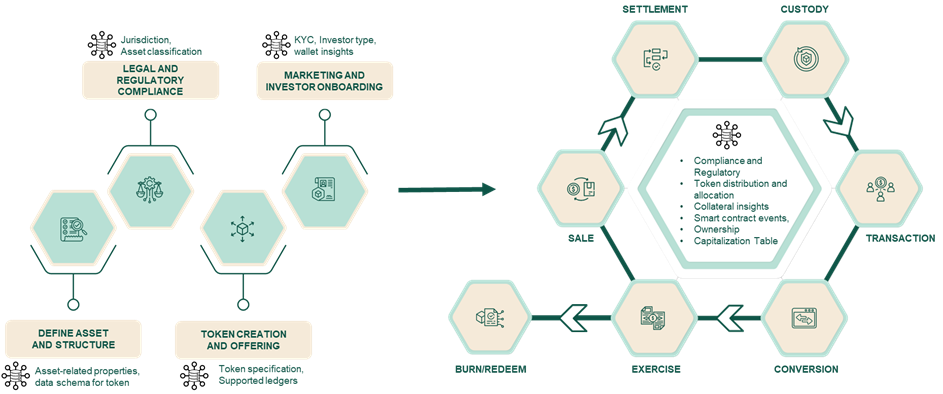
This environment is distinct from purely speculative DeFi ecosystems. The focus on regulated, yield-bearing assets attracts a different class of participant: institutions and sophisticated retail investors seeking stable, compliant returns. Base's architecture supports this by offering clear tooling for identity verification (KYC/AML) integration and compliant token standards, which are prerequisites for traditional asset issuance.
The result is a network that is not just technically capable, but economically and structurally optimized for the specific demands of Real-World Assets. As the RWA market matures, Base's combination of Coinbase's fiat integration, low fees, and institutional focus positions it as the default settlement layer for tokenized finance.
Core infrastructure layers for RWAs
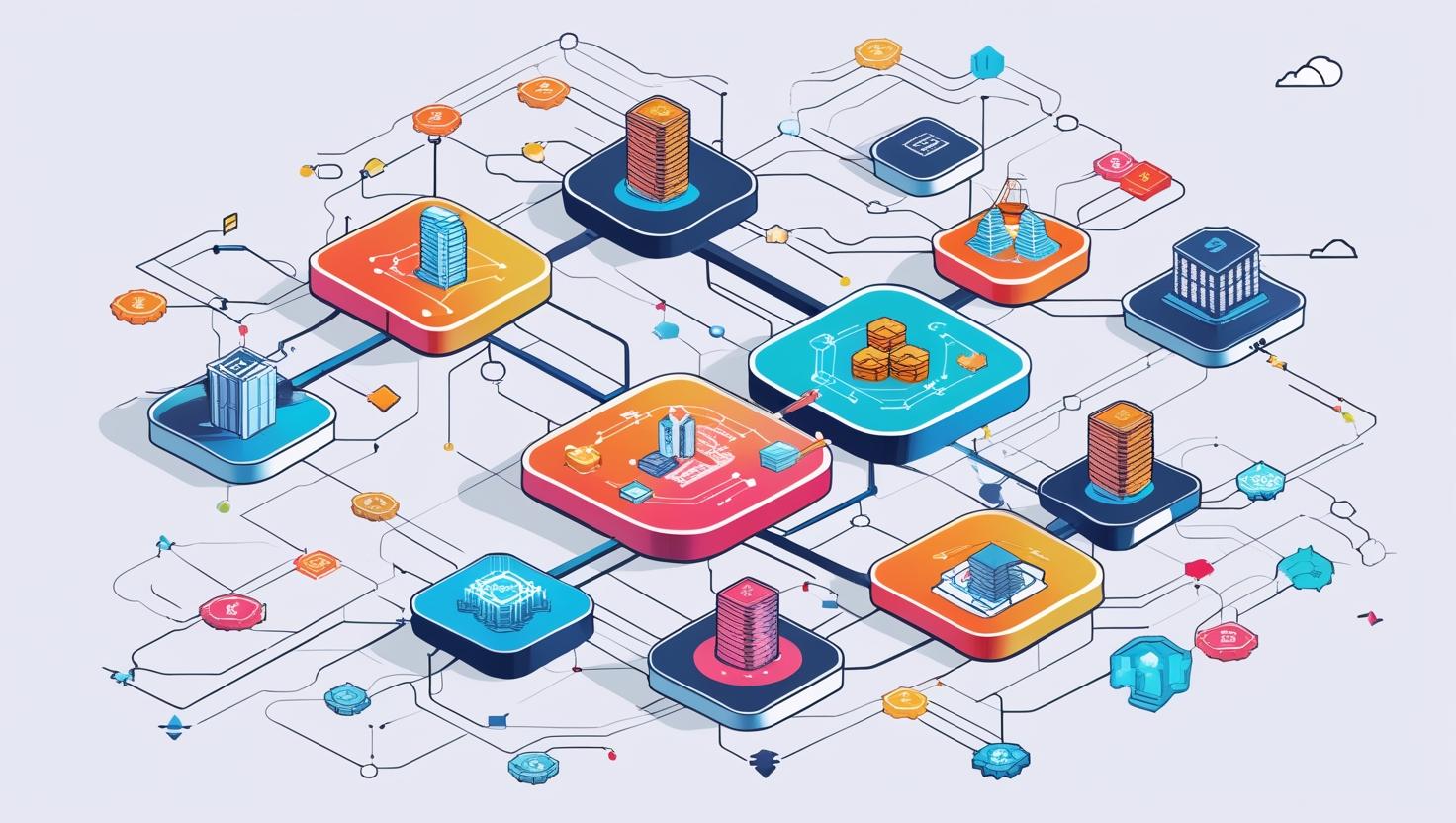
Building RWAs on Base requires more than just a token contract. You need a technical stack that bridges off-chain reality with on-chain liquidity. This involves three distinct layers: data oracles for price integrity, compliant token standards for legal enforceability, and institutional-grade custody for asset safety.
Oracles and Data Integrity
The first layer is the oracle network. Since RWAs represent physical assets, their value must be updated in real-time. Chainlink is the standard here, providing the decentralized data feeds necessary to keep token prices accurate. Without this, the on-chain representation drifts from the off-chain reality, creating arbitrage risks or liquidation failures.
Token Standards and Compliance
The second layer is the token standard. Unlike standard ERC-20 tokens, RWA tokens often require built-in compliance. Standards like ERC-3643 (formerly T-REX) embed identity checks directly into the contract. This ensures that only verified, KYC-compliant wallets can hold or transfer the asset. For simpler use cases, ERC-721 is often used for unique assets like real estate deeds, where each token represents a specific property rather than a share of a pool.
Custody Solutions
The final layer is custody. Who holds the underlying asset? Institutional custodians like Securitize or Superstate provide the legal and technical wrappers that hold the off-chain assets. They issue the on-chain tokens and handle redemptions. This separation of concerns—where the oracle provides data, the standard enforces rules, and the custodian holds the asset—is what makes RWA DeFi viable.
| Provider | Role | Integration | Compliance |
|---|---|---|---|
| Chainlink | Oracle | Data feeds, CCIP | N/A |
| Superstate | Issuer/Custodian | Smart contracts, API | SEC Reg D |
| Securitize | Issuer/Custodian | Token platform, API | SEC Reg S/D |
| Tokeny | Infrastructure | SDK, Smart contracts | MiCA, EU ATS |
Yield Strategies and Market Dynamics
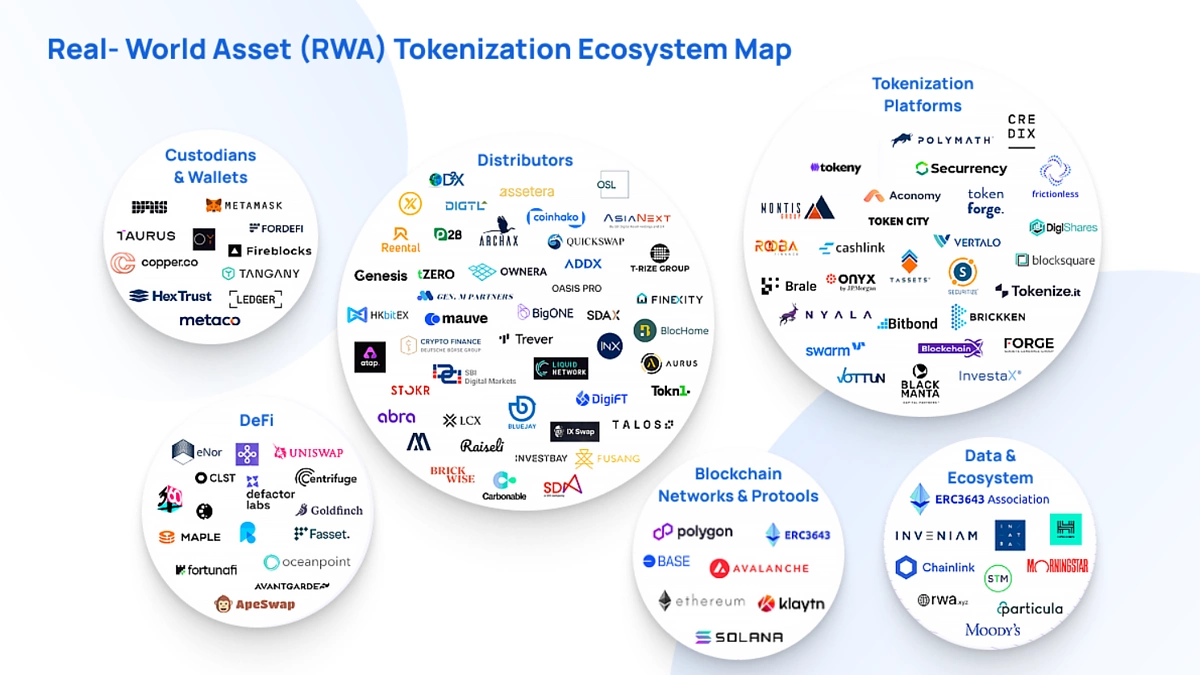
Yield on Base doesn’t appear out of thin air; it’s the price of bridging traditional finance with blockchain efficiency. When you look at RWA protocols on Base, you’re essentially looking for the spread between traditional risk-free rates and the friction costs of on-chain settlement. The primary drivers of yield fall into three buckets: stablecoin lending, tokenized treasuries, and private credit.
Stablecoin Yields: The Baseline
Stablecoin yields on Base are primarily generated through lending demand and liquidity provision. Protocols like Aave or Compound allow users to lend USDC or other stablecoins to borrowers who need short-term liquidity. The yield here is relatively low but highly liquid, serving as the floor for RWA returns.
The rate fluctuates based on network activity. During periods of high DeFi volume, borrowing demand spikes, pushing stablecoin yields up. This makes stablecoin lending a low-risk, low-reward entry point for capital seeking yield without exposure to asset price volatility.
Tokenized Treasuries: The Risk-Free Anchor
Tokenized treasuries offer a more direct link to traditional fixed-income assets. Protocols tokenize U.S. Treasury bills or money market funds, allowing investors to earn yield backed by sovereign debt. On Base, these assets are wrapped into ERC-20 tokens, making them composable with other DeFi protocols.
This strategy provides a stable, predictable yield that closely tracks the Federal Reserve’s benchmark rates. It’s the closest DeFi gets to a "risk-free" asset, though it introduces smart contract risk and regulatory uncertainty. The yield is typically higher than pure stablecoin lending because it includes a premium for the underlying asset’s credit quality.
Private Credit: The High-Yield Premium
Private credit protocols on Base lend directly to individuals or small businesses, bypassing traditional banks. These loans are tokenized and sold to DeFi investors, offering significantly higher yields to compensate for the higher credit risk.
The yield here can be double or triple that of tokenized treasuries, but it comes with illiquidity and default risk. Protocols often use overcollateralization or insurance funds to mitigate losses. This segment is the most speculative but also offers the highest potential returns for capital willing to bear the risk.
Market Dynamics and Risks
The yield landscape on Base is dynamic, shifting with regulatory changes and market sentiment. As more institutions enter the space, regulatory clarity may reduce premiums, compressing yields. Conversely, increased demand for yield-seeking capital can drive rates up.
Investors must also consider the counterparty risk of the protocols themselves. Unlike traditional banks, DeFi protocols are code-based, and bugs or exploits can lead to total loss. Diversification across different yield strategies and protocols is essential to manage this risk.
Regulatory considerations on Base
Building RWA infrastructure on Base requires navigating a fragmented legal landscape. Unlike native Bitcoin or Ethereum assets, tokenized real-world assets often trigger securities laws, meaning the chain’s speed and low fees don’t exempt you from compliance. You must align your smart contracts with the jurisdictional rules of your investors.
KYC, AML, and Investor Accreditation
Most RWA protocols on Base treat identity verification as a layer-one requirement. If you’re issuing tokenized treasuries or real estate, you likely need to integrate on-chain identity providers like Veriff or Persona. These tools enforce KYC (Know Your Customer) and AML (Anti-Money Laundering) checks before a wallet can interact with the yield-generating contract.
For U.S.-based investors, this often means restricting access to accredited investors under SEC Regulation D. The protocol must verify net worth or income thresholds before distributing tokens that represent ownership in a revenue-generating asset. Failure to do so can reclassify the token as an unregistered security, exposing founders to severe legal liability.
Jurisdictional Compliance and MiCA
The European Union’s Markets in Crypto-Assets (MiCA) regulation sets a clear baseline for token issuance. If your RWA hub targets European users, you must ensure your stablecoin or equity tokens meet MiCA’s reserve and transparency requirements. This is distinct from the U.S. approach, which relies on a patchwork of state-level money transmitter laws and federal securities enforcement.
When operating across borders, the safest path is often to restrict access based on geolocation data. By blocking IP addresses from jurisdictions with ambiguous or hostile crypto laws, you reduce the risk of regulatory arbitrage. Always consult legal counsel to map your specific asset class to the correct regulatory framework before deploying on Base.
Choosing the right RWA hub
Picking a Layer 2 for Real-World Assets isn’t just about transaction costs. It’s about matching your asset’s legal structure to the chain’s infrastructure and yield mechanics. Base, Arbitrum, and Polygon each offer different trade-offs for tokenization.
Regulatory alignment is the foundation. Base attracts projects that prioritize compliance-friendly environments, leveraging Coinbase’s institutional relationships. Arbitrum and Polygon have broader developer bases but vary in how explicitly they support RWA-specific legal wrappers. Check if the chain’s ecosystem partners offer legal tech or compliance tools.
RWAs require robust oracles, custody solutions, and stablecoin liquidity. Base has deep integration with major USDC issuers and institutional custodians. Arbitrum offers a mature DeFi infrastructure with established lending markets. Polygon provides high throughput for micro-transactions but may require more custom integration for complex asset structures.
Yield on RWA tokens often comes from the underlying asset’s cash flow or DeFi lending rates. Base’s focus on consumer finance and stablecoins creates unique yield avenues. Arbitrum’s lending protocols offer competitive rates for tokenized securities. Polygon’s yield is often driven by high-volume trading fees and staking. Compare the risk-adjusted returns of each environment.
| Hub | Primary Strength | Yield Source |
|---|---|---|
| Base | Regulatory & Institutional | Stablecoin & Consumer Finance |
| Arbitrum | DeFi Infrastructure | Lending & Liquidity Pools |
| Polygon | Throughput & Scale | Staking & Trading Fees |
No comments yet. Be the first to share your thoughts!