Why Base leads RWA infrastructure
Base has emerged as the leading layer-2 network for real-world asset (RWA) tokenization, driven by a unique combination of low transaction costs, deep integration with Coinbase, and growing institutional adoption. Unlike other chains that struggle with high fees or complex onboarding, Base offers a streamlined environment where tokenizing assets like real estate, treasury bills, or private credit becomes economically viable and technically straightforward.
The foundation of this infrastructure is Ethereum’s security, inherited through its optimistic rollup design. This means RWA projects on Base do not need to build their own consensus layer or worry about bridge security risks. Instead, they benefit from Ethereum’s robust settlement layer while enjoying the speed and cost efficiency of a layer-2 solution. For institutions managing large asset pools, this balance of security and scalability is non-negotiable.
Coinbase’s role is equally critical. As the largest US-based crypto exchange, Coinbase provides a direct bridge between traditional finance and on-chain assets. Institutions can tokenize assets on Base and potentially list them or manage custody through Coinbase’s infrastructure, reducing friction for regulated entities. This integration lowers the barrier to entry for traditional financial players who might otherwise be hesitant to enter the broader, more fragmented crypto ecosystem.
The market is already reflecting this shift. As tokenization moves from experimental pilots to scaled deployment, Base’s fee structure and user base position it to capture the majority of volume. The following chart shows the performance of Ethereum, the underlying asset securing these transactions, which remains the bedrock of Base’s value proposition.
Leading RWA Infrastructure on Base
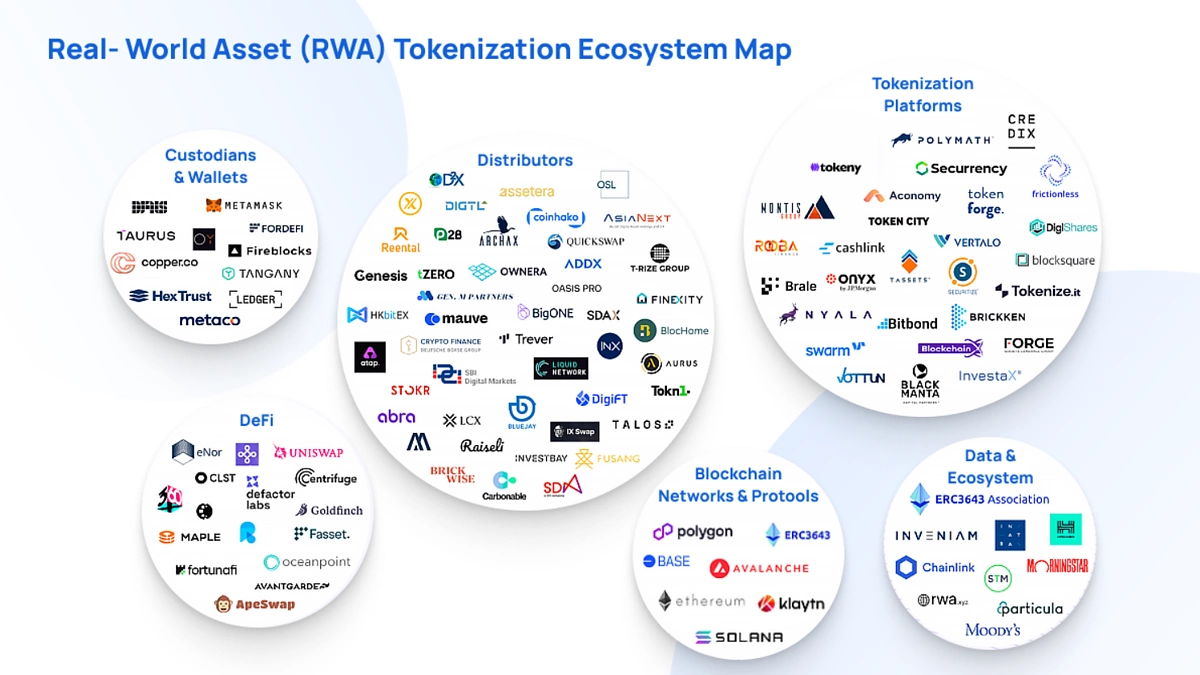
The Base ecosystem has attracted several specialized infrastructure providers that bridge traditional finance and on-chain liquidity. These platforms handle the heavy lifting of tokenization: legal structuring, asset custody, and compliance enforcement. Choosing the right provider depends on whether you are an institution seeking regulated settlement or a protocol needing flexible on-chain rails.
The following table compares the primary infrastructure layers active in this space. Note that specific compliance features and asset types vary by jurisdiction and legal wrapper.
| Provider | Role | Compliance Focus | Primary Assets |
|---|---|---|---|
| Conduit | Infrastructure | KYC/AML, Accreditation | Private Credit, Real Estate |
| Polymesh | Layer 1 | Regulatory Native, Identity | Securities, Funds |
| Centrifuge | Protocol | Issuer Due Diligence | Invoice Finance, Real Estate |
| Liquid Mercury | Platform | Institutional Grade, DvP | Bonds, Private Equity |
Conduit
Conduit operates as a foundational infrastructure layer for tokenizing private assets. It provides the technical stack for issuing compliant tokens on Base, focusing heavily on investor accreditation and transfer restrictions. Their model is designed for institutions that need to issue private credit or real estate tokens while maintaining strict regulatory boundaries.
Polymesh
Polymesh is a blockchain built specifically for regulated securities. While it operates as a distinct Layer 1, its infrastructure is often integrated into multi-chain strategies involving Base. It embeds compliance directly into the protocol level, requiring all participants to be verified through a trusted identity provider. This makes it suitable for high-value securities that require immutable audit trails.
Centrifuge
Centrifuge allows asset originators to tokenize real-world assets like invoices and real estate loans. It acts as a marketplace and liquidity aggregator, connecting issuers with DeFi protocols. While it does not enforce on-chain transfer restrictions for all assets, it requires rigorous due diligence on the originators. This model is popular for generating yield in DeFi through underlying real-world cash flows.
Liquid Mercury
Liquid Mercury provides a full-stack platform for institutional tokenization. It handles everything from legal structuring to custody and secondary trading. Their focus is on high-net-worth and institutional investors, offering features like delivery-versus-payment (DvP) settlement. This ensures that token transfer and payment happen simultaneously, reducing counterparty risk.
Choosing the Right Infrastructure
When selecting a provider, consider the asset type and your regulatory environment. For private credit or real estate, Conduit and Liquid Mercury offer robust, institution-ready stacks. If you are dealing with public securities or funds, Polymesh’s regulatory-native approach may be necessary. For DeFi-native yield generation, Centrifuge provides a more open but still vetted pathway.
Always verify the legal structure of the tokenized asset. Tokenization does not eliminate legal risk; it merely digitizes the ownership record. Ensure your provider has clear partnerships with legal counsel in your jurisdiction.
The RWA market is expanding beyond stablecoins
The narrative around Real-World Asset (RWA) tokenization has shifted from speculative novelty to measurable infrastructure. While stablecoins remain the largest category by total value locked, the sector’s growth is increasingly defined by the tokenization of US Treasuries, private credit, and real estate. This diversification signals a maturation of the market, where utility is driven by yield-bearing assets rather than just transactional stability. According to industry analyses for 2026, institutional adoption is accelerating as traditional finance seeks the efficiency of blockchain settlement for these complex instruments [[src-serp-7]].
Base has carved out a significant position in this expanding ecosystem. The network’s low transaction costs and Ethereum compatibility make it a preferred layer for RWA issuers who need to tokenize assets without incurring prohibitive gas fees. While specific on-chain volume for Base RWA projects is fragmented across various protocols, the network’s overall DeFi growth correlates strongly with the broader RWA trend. Investors and issuers are increasingly viewing Base not just as a trading venue, but as a foundational layer for asset issuance.
To understand the current valuation landscape, it is helpful to look at the underlying assets. The performance of major crypto assets often influences the risk appetite for RWA investments. Below is the current price action for Ethereum, which serves as the primary settlement layer for most Base-based RWAs.
Compliance and legal frameworks
Navigating compliance is the most critical constraint in RWA tokenization. The decision to deploy on Base must account for jurisdictional requirements, such as SEC regulations in the US or MiCA in Europe. Start by identifying the asset class: securities require strict KYC/AML and identity verification, while private credit may rely on accredited investor checks. Must-have requirements include licensed custody and legal wrappers that enforce transfer restrictions. Nice-to-have features like advanced analytics or secondary market liquidity are secondary to legal safety. A practical choice survives normal use, maintenance, timing, and budget constraints. If a recommendation only works in an ideal situation, call that out plainly and give the reader a fallback path.
The simplest way to approach this section is to write down the must-have criteria first, then compare each option against those criteria before weighing nice-to-have features.
Building a RWA strategy on Base
Choosing the right infrastructure on Base depends on whether you prioritize compliance, liquidity depth, or specific asset types. Unlike broader chains, Base offers a curated environment where regulatory clarity and institutional-grade tools are becoming the standard. Use this framework to align your tokenization goals with the right on-chain hub.
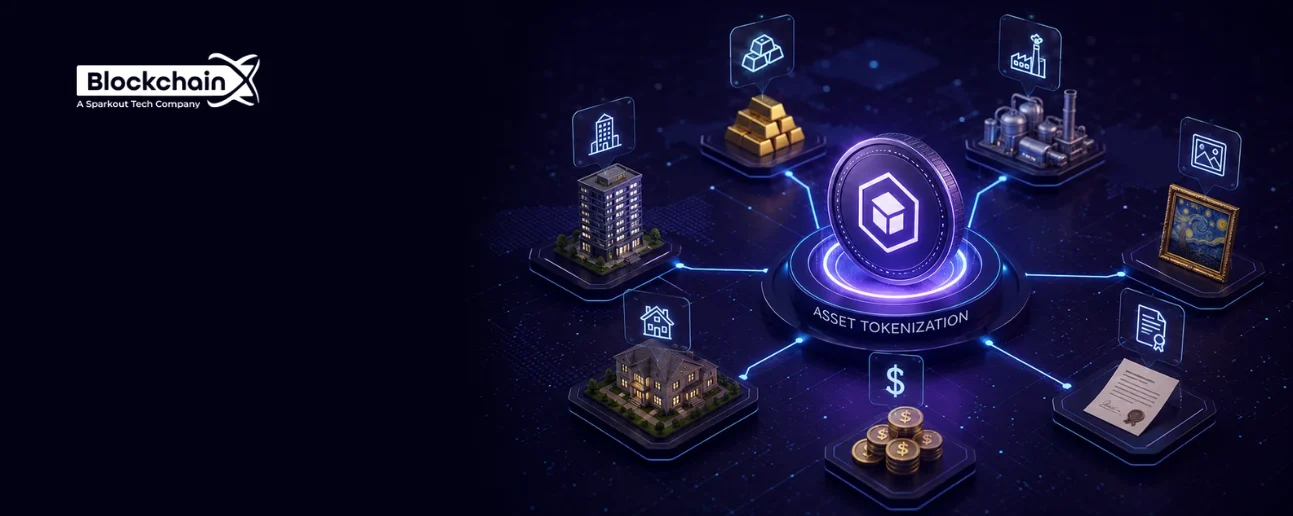
Start by mapping your legal jurisdiction and asset class. If you are dealing with securities or regulated funds, prioritize hubs that offer built-in KYC/AML layers or partner with licensed custodians. Base’s ecosystem is increasingly integrating compliance-first protocols, making it easier to adhere to SEC or MiCA regulations without building custom legal wrappers from scratch.
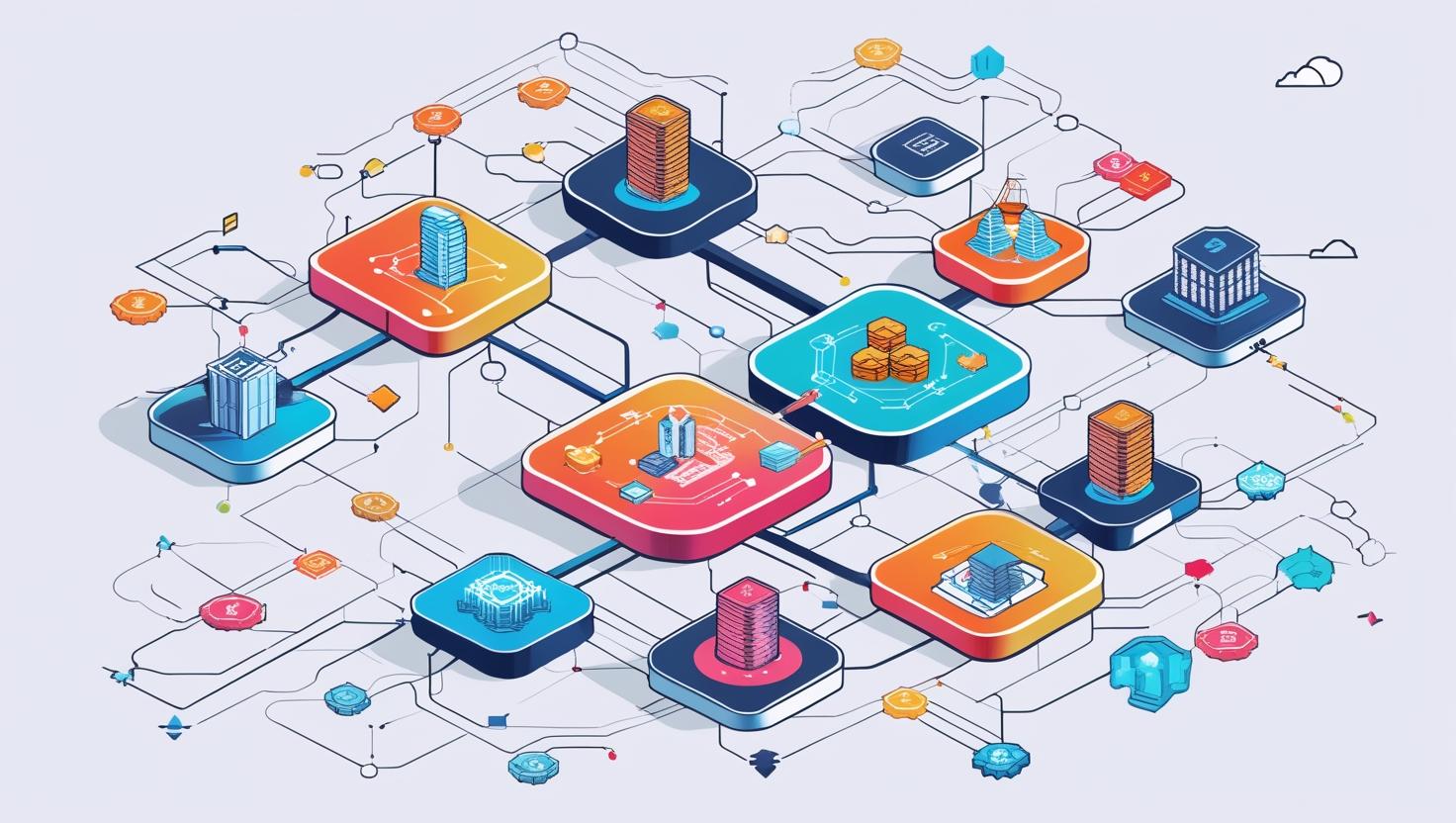
Not all RWAs trade with the same volume. Check the depth of stablecoin pairs and the presence of market makers for your specific asset type. Hubs with strong USDC/USDT integration and institutional liquidity providers reduce slippage. Look for protocols that have demonstrated consistent trading volume rather than just total value locked (TVL), as volume indicates active, real-world demand.
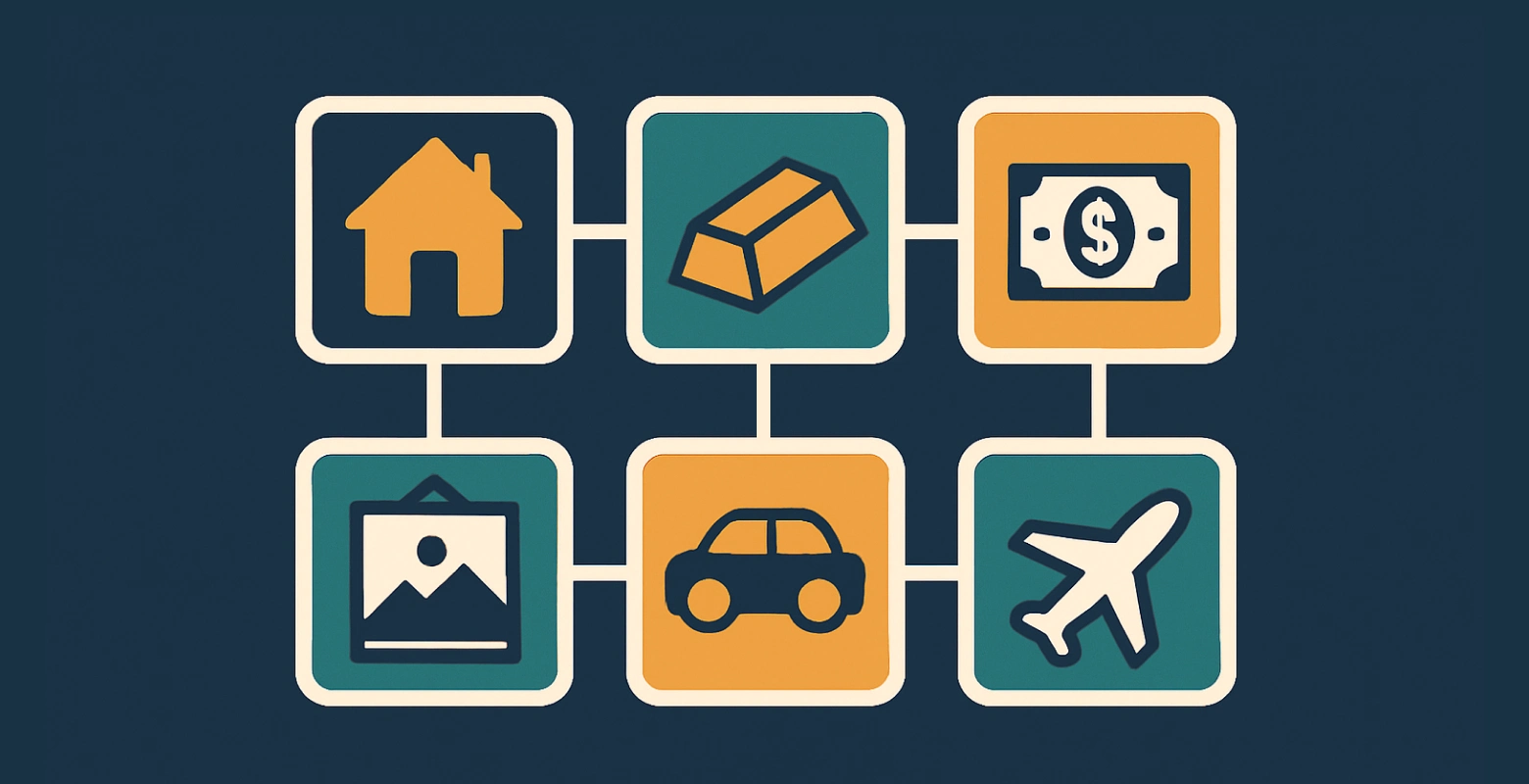
Different assets require different technical standards. Real estate often uses ERC-3643 or ERC-1400 for transfer restrictions, while treasury bills might use ERC-20 with simpler mechanics. Ensure your chosen hub supports the specific token standard your legal counsel has approved. Mismatched standards can create friction in secondary markets or complicate dividend distributions.
Price accuracy is non-negotiable for RWAs. Verify that the hub relies on trusted oracle networks like Chainlink or Pyth for real-time asset pricing. This ensures that your tokenized asset’s value reflects the underlying real-world market, preventing arbitrage opportunities that could destabilize your protocol or expose you to regulatory scrutiny.
| Primary Goal | Recommended Hub Type | Critical Feature |
|---|---|---|
| Regulatory Compliance | Institutional-Grade Protocols | Built-in KYC/AML & Licensed Custody |
| High Liquidity | Deep Market Maker Hubs | USDC Pairs & Active Trading Volume |
| Complex Assets | Specialized Tokenization Platforms | ERC-3643/1400 Support |
For readers looking to deepen their understanding of RWA infrastructure, consider exploring technical guides on token standards and regulatory frameworks. These resources provide the foundational knowledge needed to make informed decisions about on-chain asset management.


![Digital Asset Law: The Evolving Legal and Regulatory Framework [Connected eBook]](https://m.media-amazon.com/images/I/61kSbJX1S5L._AC_UY654_QL65_.jpg)
As an Amazon Associate, we may earn from qualifying purchases.
Common questions about RWA on Base
Is RWA crypto a good investment?
Tokenized real-world assets like Treasuries and real estate offer yields that often outperform traditional savings accounts, but they carry unique risks. You are exposed to smart contract vulnerabilities, issuer insolvency, and regulatory shifts. Treat these assets as a diversification tool rather than a primary growth engine, and verify the legal structure of the token before buying.
Which blockchains are the top RWA tokens?
Ethereum remains the dominant layer for RWA settlement due to its deep liquidity and established legal frameworks. However, Base is gaining traction for lower-cost, high-frequency transactions. Other chains like Solana and Avalanche are also seeing increased activity as they offer faster finality and cheaper fees for smaller asset classes.
Is DeFi legal in the US?
Decentralized finance is not illegal, but it operates in a complex regulatory gray area. The SEC and CFTC actively enforce securities and commodities laws against unregistered entities. On Base, projects must adhere to these rules carefully. Compliance is not optional; projects that ignore KYC/AML requirements face immediate legal action and delisting from major aggregators.
What are some examples of RWA projects?
Leading projects include Ondo Finance for tokenized Treasuries and Centrifuge for real-world credit. On Base, look for protocols that explicitly state their legal wrappers and custodial arrangements. Always check if the underlying asset is held by a regulated trustee rather than the protocol itself.
No comments yet. Be the first to share your thoughts!