Why Base Is the Preferred L2 for RWA Tokenization
Real-world assets (RWAs) are digital tokens that represent physical or traditional financial assets like government bonds, equities, or commodities. While many blockchains support tokenization, Base has emerged as the primary layer-2 hub for this sector. The platform’s design prioritizes institutional readiness, offering the stability and compliance infrastructure that traditional finance requires.
The main advantage is Coinbase integration. Because Coinbase built Base, it provides a direct bridge to millions of verified users. This reduces the friction of onboarding, allowing protocols to connect seamlessly with existing financial habits. For RWA projects, this means access to a regulated user base without the heavy lift of building custom KYC/AML flows from scratch.
Base also offers low transaction fees, which is essential for RWA tokenization. These assets often involve small, frequent settlements or micro-transactions that would be too expensive on Ethereum mainnet. By moving these operations to Base, protocols can maintain profitability while keeping costs low for participants. This economic efficiency makes Base attractive for both issuers and investors.
Institutional readiness is another key factor. Base’s architecture is designed to handle the scale and security demands of traditional finance. It supports robust compliance tools and offers the reliability needed for large-scale asset management. This combination of accessibility, cost-efficiency, and institutional trust positions Base as the leading L2 for RWA tokenization in 2026.
Comparing top RWA protocols on Base
When evaluating Real World Asset (RWA) protocols on Base, the primary differentiator is rarely just the yield number—it is the underlying asset class and the custody model. While many protocols claim to offer "safe" yields, the risk profile varies significantly depending on whether the asset is backed by short-term US Treasuries, private credit, or tokenized real estate.
To help you navigate this landscape, we have compiled a direct comparison of leading RWA protocols currently active on Base. These platforms bridge traditional finance with DeFi, allowing you to earn yield from real-world cash flows. Understanding the source of that yield is critical for managing risk.
| Protocol | Primary Asset Class | Yield Source | Custody Model |
|---|---|---|---|
| Centrifuge | Private Credit & Real Estate | Loan Interest | Multi-sig & Legal SPV |
| Maple Finance | Institutional Credit | Loan Interest | DAO Governance & Oracles |
| Ondo Finance | US Treasuries & Money Markets | Treasury Yields | Custodial Partners (e.g., BlackRock) |
| Goldfinch | Unsecured Lending | Loan Interest | Staking & Reputation |
Centrifuge: The Diversified Heavyweight
Centrifuge is one of the most established RWA protocols, offering a diversified portfolio that includes real estate, invoices, and private credit. Its yield comes directly from the interest paid by borrowers in the real world. The protocol uses Special Purpose Vehicles (SPVs) to hold the underlying assets, providing a layer of legal separation. This makes it a robust choice for those seeking exposure to alternative credit markets without taking on the full risk of unsecured lending.
Maple Finance: Institutional-Grade Credit
Maple Finance focuses on institutional borrowers, connecting capital providers with corporations and funds needing liquidity. The yield is generated from the interest rates agreed upon in these private credit agreements. Maple relies on a combination of smart contract safeguards and oracle data to assess risk. It is best suited for investors who understand the nuances of corporate credit and are comfortable with the counterparty risk associated with institutional borrowers.
Ondo Finance: Treasury-Backed Stability
Ondo Finance stands out for its focus on tokenized US Treasuries and money market funds. The yield source here is the interest generated by holding US government debt, which is generally considered lower risk than private credit. Ondo partners with regulated custodians to hold the underlying assets, ensuring that the tokenized representation on Base is fully backed. This model is ideal for investors seeking stable, predictable yields with a clear regulatory framework.
Goldfinch: Unsecured Lending with a Twist
Goldfinch operates a unique model by facilitating unsecured lending through a reputation-based system. Borrowers stake ETH or other assets to signal their trustworthiness, and lenders provide capital without traditional collateral. The yield comes from the interest paid by these borrowers. While this can offer higher returns, it also carries higher risk, as the protocol relies heavily on the reputation and repayment history of the borrowers rather than hard collateral.
Yield strategies for tokenized assets
Generating yield from Real-World Assets (RWAs) on Base typically falls into three buckets: direct lending, liquidity provision, and passive staking. Each strategy carries different risk profiles and liquidity constraints, so choosing the right one depends on whether you prioritize steady income, capital efficiency, or simplicity.
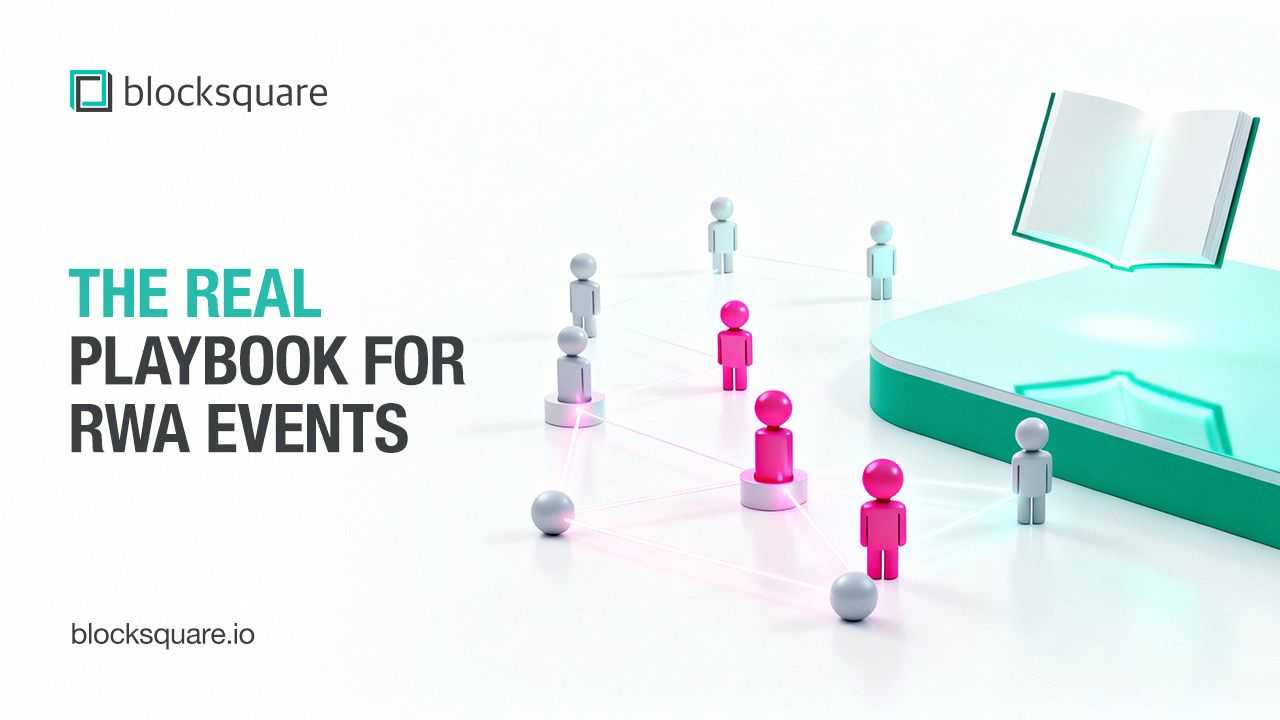
Lending involves supplying tokenized assets, such as USDC or tokenized Treasuries, to a protocol that lends them out to borrowers. This is often the most straightforward way to earn yield. Protocols on Base like Moonwell or Aave allow you to deposit assets and earn interest generated by borrowers. The yield is usually tied to the underlying asset’s real-world return, minus a protocol fee. This method is generally considered lower risk than trading pairs, but you are exposed to smart contract risk and the credit risk of the borrowers.
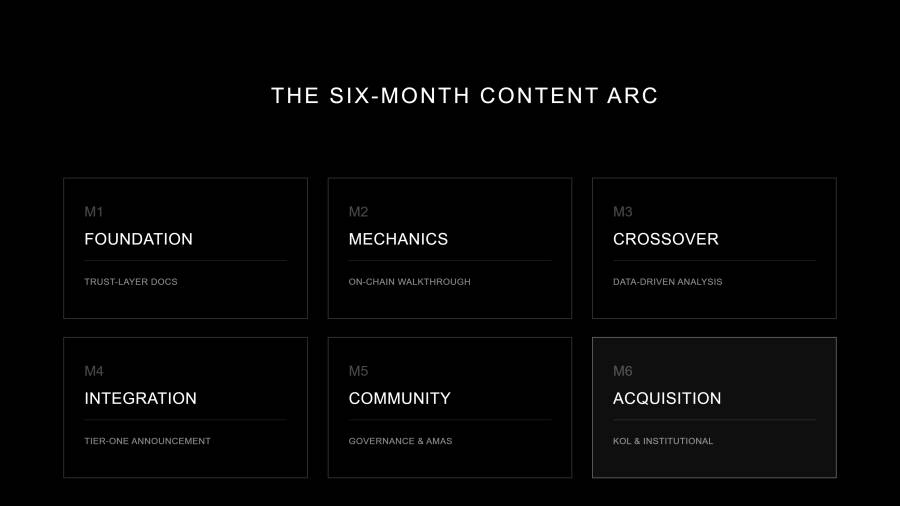
Providing liquidity means adding your tokenized assets to a decentralized exchange (DEX) pool, such as Uniswap or Aerodrome, to facilitate trading. In return, you earn a share of the trading fees. This can be more profitable than lending, especially during high-volume periods, but it comes with impermanent loss risk. If the price of your RWA token diverges significantly from the paired asset, you might end up with less value than if you had just held the assets. This strategy works best for stablecoin pairs or assets with correlated price movements.
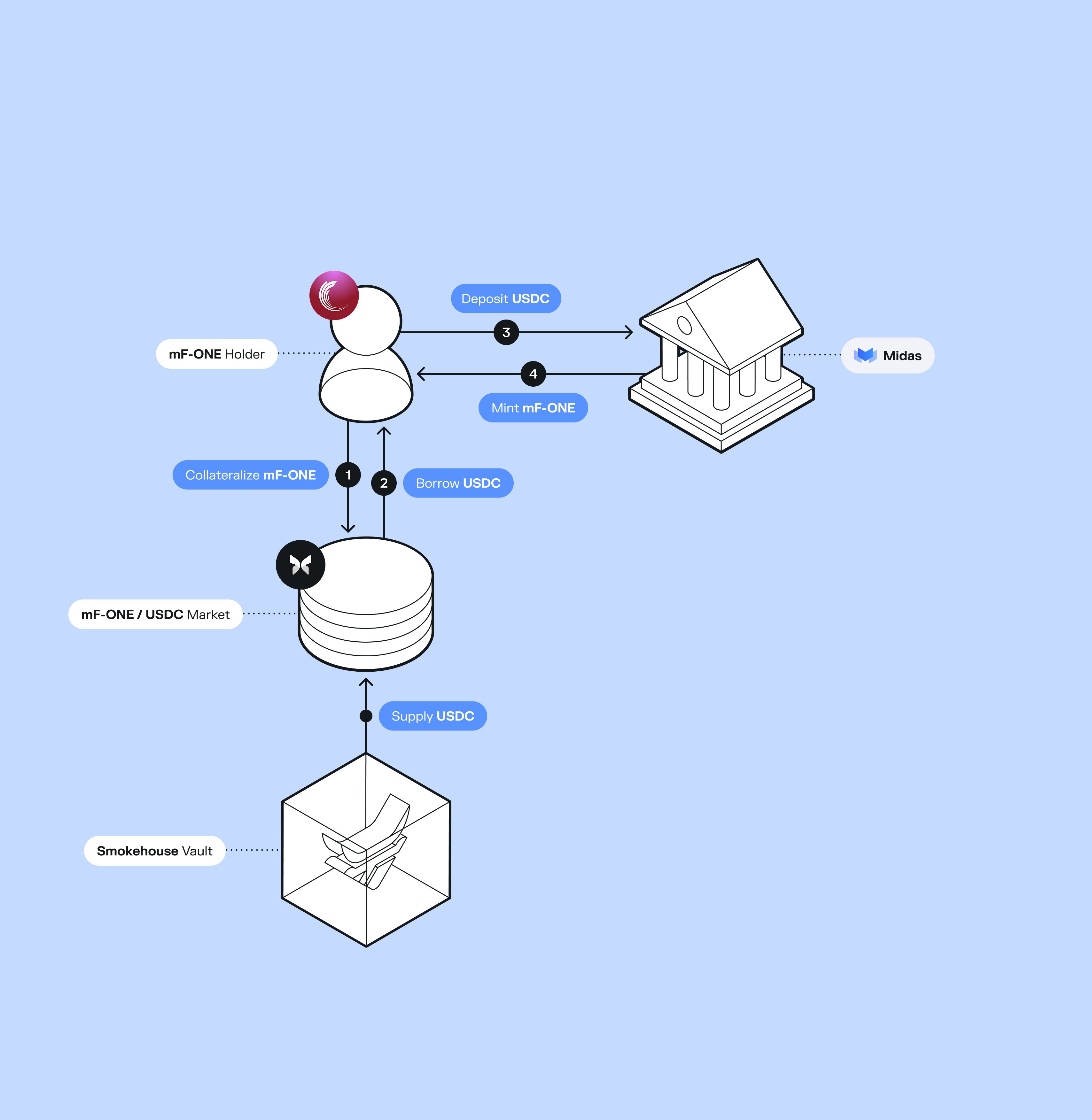
Staking involves locking your tokenized assets or governance tokens in a protocol to secure the network or support its operations. In the RWA space, this often means staking the protocol’s native token to earn rewards or staking the underlying RWA tokens to earn a portion of the protocol’s revenue. This is the most passive option, requiring no active management once deployed. However, it often involves lock-up periods, meaning your capital is tied up for a set duration. Always check the vesting schedules and unlock conditions before committing funds.
When choosing a strategy, consider your comfort level with risk and your need for liquidity. Direct lending is generally safer for conservative investors, while liquidity provision offers higher potential returns with more complexity. Staking is ideal for those who believe in the long-term growth of a specific protocol. Always verify the compliance and audit status of the protocol before depositing assets, as the RWA space is still evolving in terms of regulatory clarity.
Compliance and custody risks
Tokenizing real-world assets isn’t just about moving data on-chain; it’s about bridging two heavily regulated worlds. When you tokenize a bond or real estate deed, you’re creating a digital claim on a physical asset. If the legal structure holding that asset fails, the token becomes worthless. This is why compliance isn’t a feature—it’s the foundation.
Regulatory uncertainty remains the biggest hurdle. In the U.S., the SEC’s stance on security tokens is still evolving, while the EU’s MiCA regulation offers a clearer, albeit complex, framework. Protocols like Centrifuge and Ondo Finance navigate this by partnering with licensed custodians and structuring tokens as regulated securities. They don’t just issue tokens; they ensure the underlying assets are held in segregated accounts, audited regularly, and compliant with local laws. Ignoring this layer is a fast track to legal trouble.
Custody is the other half of the equation. Who holds the keys to the real-world asset? If a protocol relies on a single, unverified custodian, you’re exposed to counterparty risk. Look for protocols that use multi-signature wallets, regulated trust companies, or even blockchain-based legal wrappers that enforce ownership rights automatically. As noted in legal guides on RWA tokenization, the most robust structures combine on-chain transparency with off-chain legal enforceability.
The stakes are high, but the rewards are real. By prioritizing compliance and secure custody, you’re not just buying a token—you’re buying a legally enforceable claim on real value. That’s the difference between a speculative asset and a true real-world asset.
Steps to start with Base RWA hubs
Before you interact with any protocol, set up your tools. Install MetaMask, switch the network to Base, and fund your wallet with USDC. This stablecoin is the standard currency for most RWA platforms.
Frequently asked questions about real-world assets in DeFi
Real-world asset (RWA) tokenization is growing fast, but it brings specific legal and technical questions. Here are clear answers to the most common queries from 2026.
What are real world assets in DeFi?
Real-world assets are physical or traditional financial items represented as digital tokens on a blockchain. These include government bonds, equities, commodities, and real estate. Protocols like Chainlink and others use these tokens to bring off-chain value into decentralized finance, allowing users to earn yield or trade assets that usually require traditional brokerage accounts Chainlink.
Is DeFi illegal in the US?
No, decentralized finance is not illegal in the United States. However, it operates in a complex regulatory environment. The Securities and Exchange Commission (SEC) and other agencies enforce existing securities laws on DeFi protocols that issue securities-like tokens. Compliance varies by jurisdiction, so users must understand the specific rules governing their assets Buzko Legal.
Is DeFi safe for beginners?
DeFi carries higher risks than traditional finance due to smart contract bugs, impermanent loss, and regulatory uncertainty. While RWA protocols often add a layer of stability by backing tokens with real assets, beginners should start with small amounts, use reputable platforms, and never invest money they cannot afford to lose. It is essential to understand the underlying mechanics before committing capital.
Is XRP a real world asset?
No, XRP is not a real-world asset. XRP is a native cryptocurrency token on the XRP Ledger, designed primarily for fast, low-cost cross-border payments and liquidity provision. Unlike RWAs, which represent ownership or claim to an external asset like a bond or property, XRP is a standalone digital currency with its own supply and utility within its ecosystem.
No comments yet. Be the first to share your thoughts!