Why Base leads RWA tokenization
Base has quickly become the go-to Layer 2 for real-world asset (RWA) tokenization, and the reasons are straightforward. RWAs are digital tokens that represent physical or traditional financial assets like commodities, equities, or currencies. For these assets to work in DeFi, they need a blockchain that is fast, cheap, and easy to access. Base delivers exactly that.
The cost advantage is immediate. Transaction fees on Base are a fraction of what you pay on Ethereum mainnet. This matters because tokenizing RWAs often involves multiple steps—minting, transferring, and settling—each of which adds up. Low fees mean institutions and retail users alike can move assets without eating into their margins. It turns a theoretical concept into a practical tool.
Then there is the Coinbase integration. Coinbase Wallet is the most widely used crypto wallet in the US, and it supports Base natively. This creates a direct pipeline for users who are already in the Coinbase ecosystem to interact with RWA protocols. You don’t need to navigate complex bridges or manage multiple wallets. The onboarding friction drops significantly, which is critical for attracting mainstream capital.
Institutional players are taking notice. Major financial institutions are testing RWA tokenization on Base because it offers the regulatory clarity and technical infrastructure they need. The combination of low costs, high speed, and seamless user experience makes Base not just another L2, but the preferred hub for bringing real-world value on-chain.
Top Base RWA protocols to watch
The Base chain has become a primary hub for real-world asset tokenization, offering a high-throughput, low-cost environment that fits DeFi’s need for speed and scale. Rather than abstract concepts, this ecosystem is defined by specific protocols that bridge traditional finance on-chain. These projects handle everything from private credit and real estate to treasury bills, providing yield that is often more stable than volatile crypto assets.
We are looking at protocols that have established clear legal frameworks and on-chain infrastructure. The following four platforms stand out for their volume, transparency, and unique approach to asset issuance.
Centrifuge
Centrifuge is one of the most established players in the RWA space, having operated across multiple chains before establishing a strong presence on Base. It functions as a marketplace for illiquid assets, allowing businesses to tokenize receivables, real estate, and creator assets to raise capital. On Base, Centrifuge leverages its rigorous due diligence process to offer investors access to diversified pools of real-world income streams.
The protocol’s strength lies in its transparency and legal structure. By tokenizing these assets, Centrifuge provides liquidity to traditionally illiquid markets while offering yield opportunities for DeFi users. The platform’s long track record and multi-chain strategy make it a foundational pillar of the Base RWA ecosystem.
Goldfinch
Goldfinch takes a different approach by focusing on uncollateralized lending to emerging market businesses. Instead of requiring crypto collateral, it uses a reputation-based system where senior lenders are protected by a pool of capital and a governance mechanism that prioritizes their returns. This model allows it to serve small businesses that might not have access to traditional banking or crypto collateral.
On Base, Goldfinch benefits from the chain’s low transaction costs, making micro-lending economically viable. The protocol’s focus on real economic activity—rather than speculative crypto assets—aligns with the core thesis of RWA investing. Its governance model ensures that the community has a direct say in how capital is deployed.
Maple Finance
Maple Finance specializes in institutional-grade capital markets, connecting corporate borrowers with crypto liquidity providers. While it operates across several chains, its deployment on Base allows for more efficient capital allocation for mid-sized corporate borrowers. Maple uses a reputation-based system where capital is allocated to trusted borrowers based on their creditworthiness and past performance.
The protocol’s focus on institutional borrowers means it often deals with larger ticket sizes and more complex legal structures. This makes it a key player for investors looking for exposure to corporate debt without the volatility of equity markets. Base’s infrastructure supports Maple’s need for rapid settlement and low fees.
Rialto Finance
Rialto Finance focuses on tokenizing real estate and other tangible assets, offering fractional ownership opportunities to a broader audience. By leveraging Base’s scalability, Rialto can handle the frequent transactions and small investment sizes typical in real estate tokenization. The platform aims to democratize access to real estate investing, which has historically been limited to high-net-worth individuals.
Rialto’s approach combines traditional real estate valuation methods with blockchain transparency. This allows investors to track the performance of underlying assets in real time. The protocol’s presence on Base positions it to capture the growing demand for tangible asset exposure in the DeFi space.
| Protocol | Primary Asset Type | Risk Profile | Yield Source |
|---|---|---|---|
| Centrifuge | Private Credit & Real Estate | Medium | Loan Interest |
| Goldfinch | Uncollateralized Lending | Medium-High | Loan Interest |
| Maple Finance | Corporate Debt | Medium | Loan Interest |
| Rialto Finance | Real Estate | Medium | Rent & Appreciation |
How to choose a safe RWA hub
Finding a reliable RWA hub on Base means looking past the yield numbers. You need to verify that the protocol behind the token has a clear legal structure and transparent on-chain records. If a platform cannot show you who holds the underlying asset or how it is stored, it is not ready for serious capital.
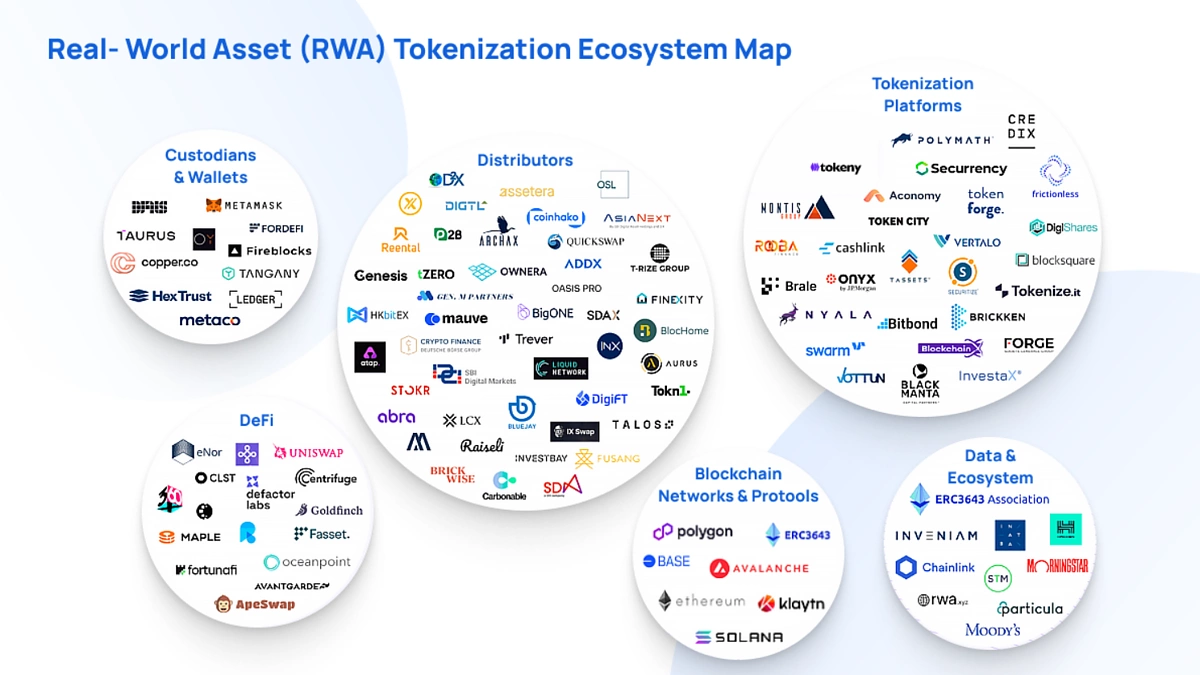
Look for platforms that clearly define their legal entities. Reputable hubs often use special purpose vehicles (SPVs) or trusts to hold assets, separating them from the protocol developers. Check if the project is registered in a jurisdiction with clear securities laws, such as the U.S. or EU, and if they publish their legal opinions. This structure protects investors if the protocol faces regulatory scrutiny.
RWA tokens rely on accurate data to function. Ensure the hub uses established oracles or direct API connections to asset issuers rather than relying on community-driven price feeds. Transparent hubs will list their data providers and show how often asset values are updated on-chain. This prevents discrepancies between the token price and the actual value of the underlying real-world asset.
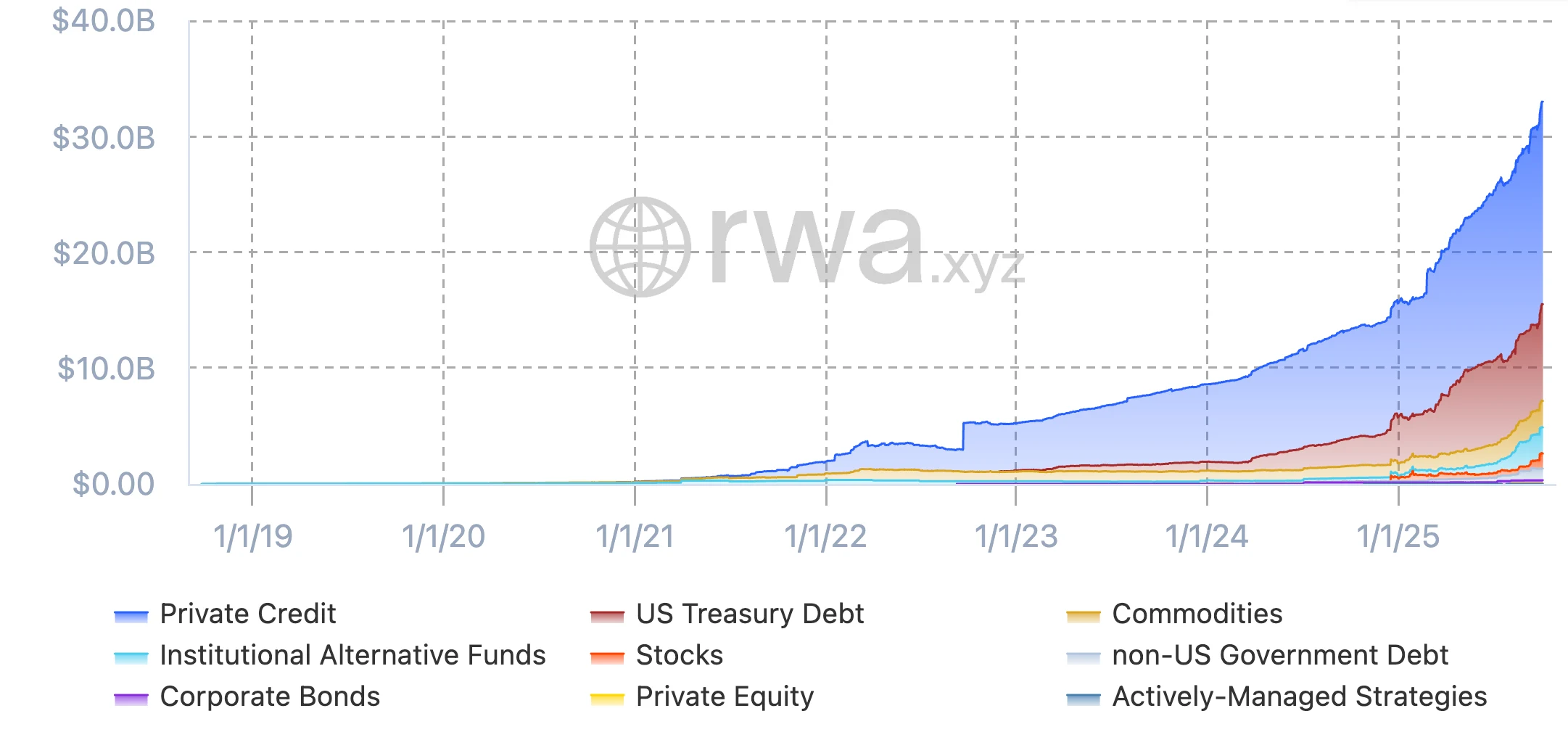
Regular audits are non-negotiable for RWA platforms. Look for recent reports from top-tier firms like CertiK or OpenZeppelin that cover both smart contracts and legal compliance. Beyond code audits, the hub should provide monthly proof of reserves, linking on-chain balances to off-chain bank statements or custodian reports. This transparency proves that the tokens are fully backed by the assets they claim to represent.
By focusing on these three pillars, you can filter out risky projects and find hubs that prioritize long-term stability over short-term hype.
Essential tools for Base RWA investors
Managing real-world asset investments on Base requires more than just a wallet; you need visibility into how tokenized assets are performing and secured. Unlike volatile meme coins, RWAs often involve complex yield structures and off-chain legal wrappers that demand specific tracking methods.
Analytics and Tracking
For on-chain visibility, DeFiLlama remains the most reliable source for tracking Total Value Locked (TVL) across Base-based RWA protocols. It allows you to compare yields and market caps without wading through noisy social media feeds. For deeper due diligence on specific tokenized assets, TokenTerminal provides fundamental data like revenue and P/E ratios for protocols issuing these assets, helping you separate sustainable yields from unsustainable hype.
Wallet Solutions
Security is paramount when holding tokenized real estate or treasury bills. A hardware wallet like the Ledger Nano X or Trezor Model T is essential for signing transactions off-screen. These devices support Base natively via Ledger Live or third-party interfaces like Rabby Wallet, ensuring your private keys never touch an internet-connected device.
Recommended Hardware Wallets
Choosing the right hardware wallet ensures your RWA holdings remain secure against phishing and smart contract exploits.


As an Amazon Associate, we may earn from qualifying purchases.
Frequently asked questions about Base RWA
What is the minimum investment to get started with Base RWA?
Entry barriers vary by protocol. Platforms like Centrifuge or Goldfinch often allow fractional ownership, meaning you can start with as little as $10 to $50. This makes tokenized assets accessible without needing six-figure capital checks.
Are Base RWA investments regulated?
Yes. Legitimate Base RWA protocols operate under strict regulatory frameworks. Projects like Ondo Finance issue tokenized U.S. Treasuries that comply with SEC regulations. Always verify that the issuer is registered and that the smart contract integrates with compliant custodians.
How liquid are tokenized real-world assets on Base?
Liquidity depends on the specific asset. Tokenized U.S. Treasuries and stablecoins generally trade with high volume on decentralized exchanges like Uniswap. However, niche assets like private credit or real estate may have lower liquidity, requiring you to hold until maturity or find a specific buyer on secondary markets.
No comments yet. Be the first to share your thoughts!