The Reality of Base Real-World Asset DeFi Hubs
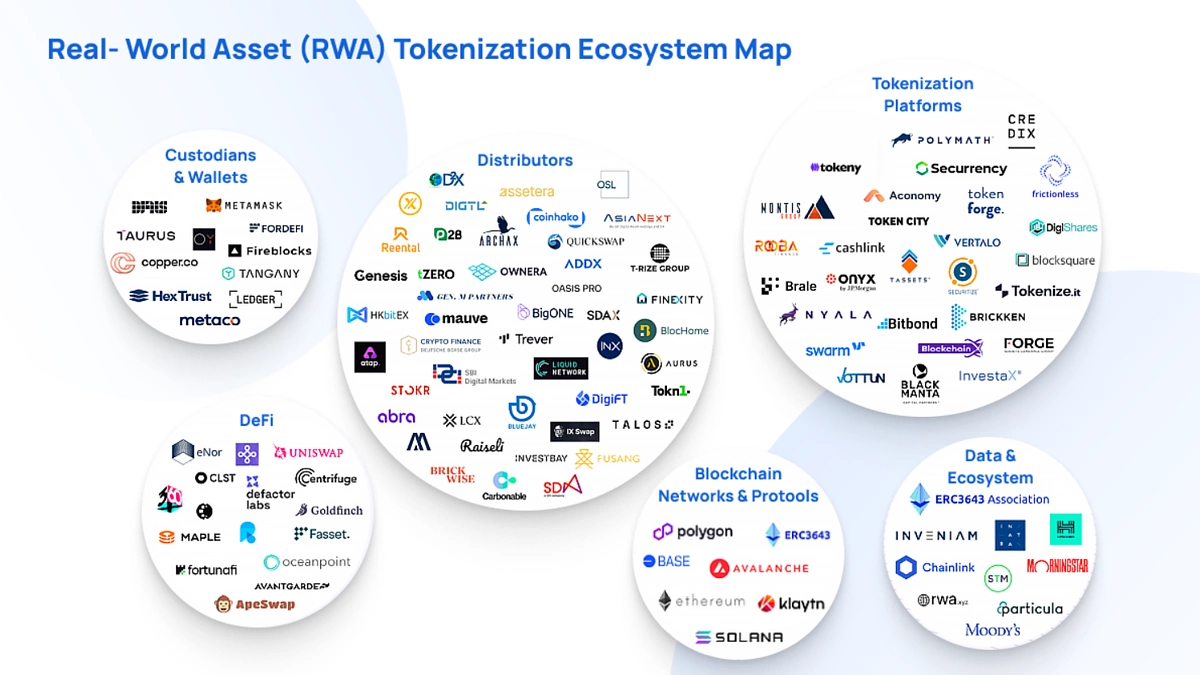
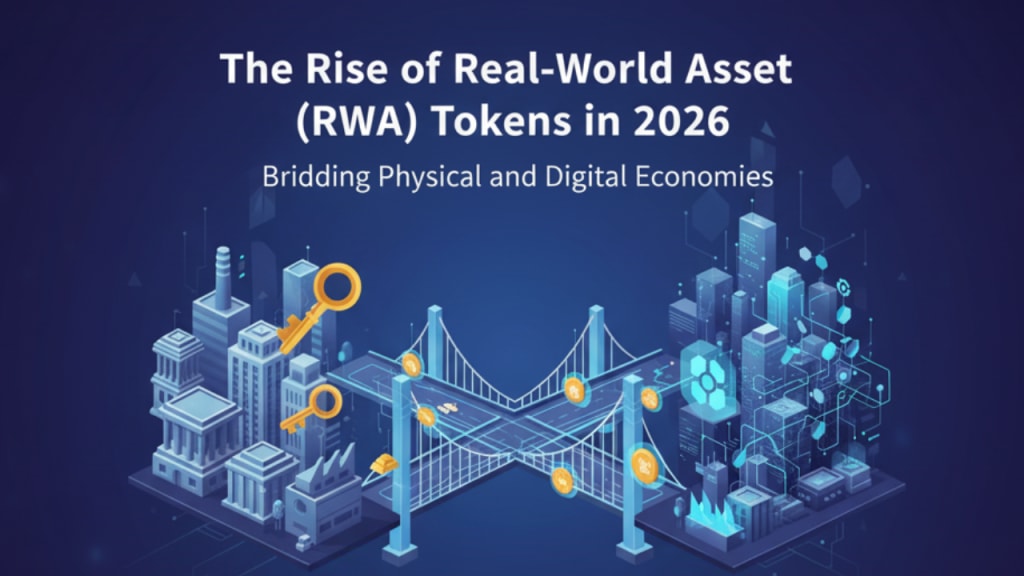
Base Real-World Asset (RWA) DeFi hubs are not just another layer of speculation; they are the infrastructure bridge connecting traditional finance to on-chain liquidity. At their core, these hubs tokenize physical assets—like real estate, treasury bills, or commodities—allowing them to move with the speed of blockchain while retaining the safety of regulated underlying value. This fusion is reshaping how capital flows, merging the utility of DeFi protocols with the stability of traditional markets.
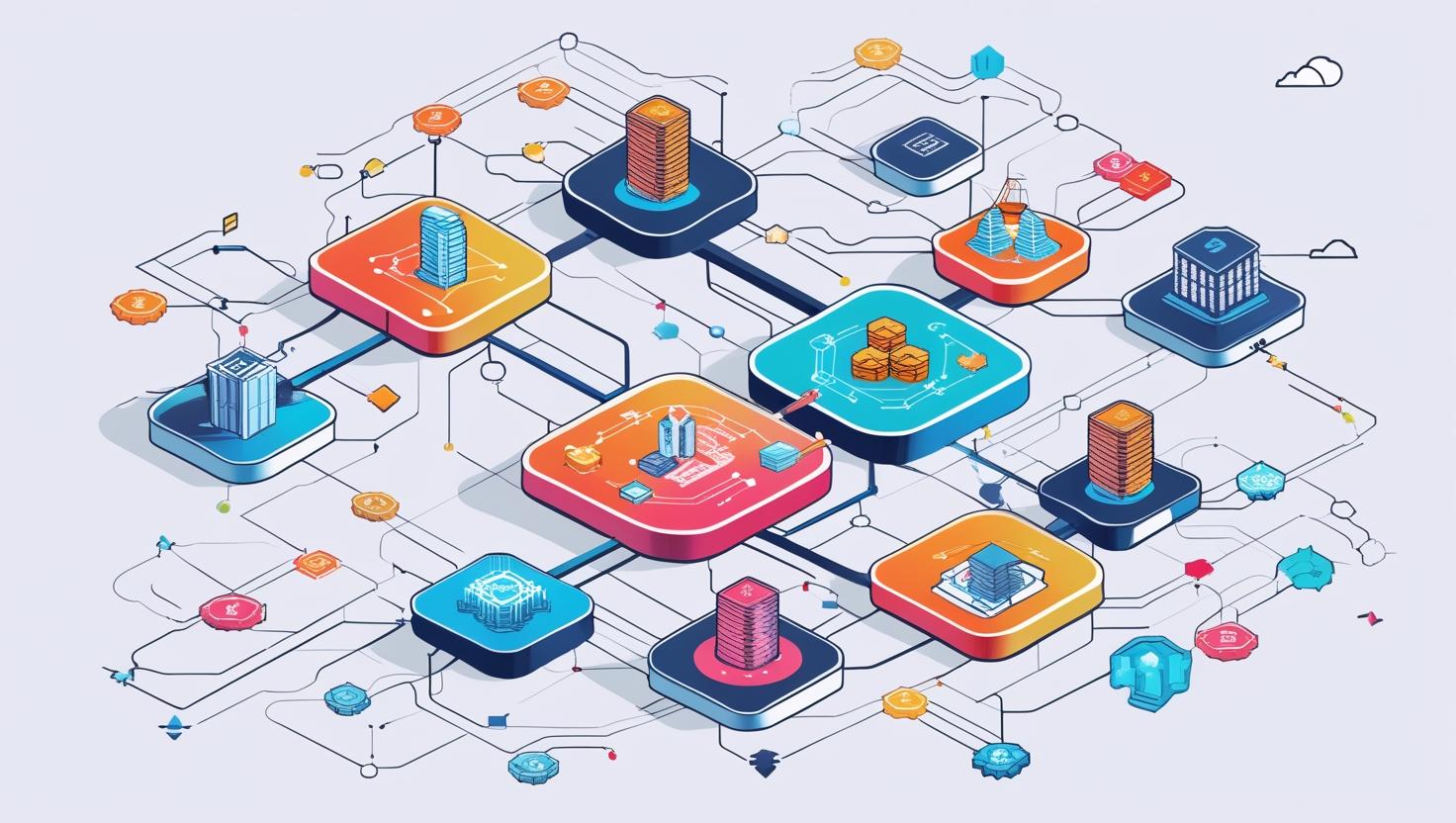
However, the "hub" concept is often misunderstood. It is not a single centralized platform but a network of smart contracts, oracles, and custodians that ensure the token on-chain matches the asset off-chain. For a Base RWA DeFi hub to function, it must solve the trust gap: proving that the tokenized asset exists, is owned by the contract, and can be redeemed when needed. Without this verification layer, the hub is merely a promise, not a financial instrument.
The tradeoff is clear. While Base offers low fees and high throughput, ideal for micro-transactions and frequent settlement, RWA hubs introduce complexity. You are no longer just managing code risk; you are managing legal and operational risk. The hub’s value depends entirely on the integrity of its off-chain partners. If the custodian fails or the legal structure is flawed, the on-chain token becomes worthless, regardless of how efficient the Base network is.
| Feature | Base Advantage | RWA Challenge |
|---|---|---|
Base real-world asset defi choices that change the plan
Choosing a Base real-world asset DeFi strategy requires balancing yield potential against the friction of off-chain compliance and on-chain technical limits. There is no single best platform; the right choice depends on whether you prioritize capital efficiency, regulatory safety, or asset liquidity. Understanding these tradeoffs helps you avoid hidden costs and operational bottlenecks that often erode returns in tokenized markets.
Liquidity and Capital Efficiency
Base offers lower transaction fees than Ethereum mainnet, which significantly improves capital efficiency for smaller positions. However, liquidity for RWAs on Base is still fragmented compared to Ethereum or institutional chains. You may face higher slippage when trading tokenized treasuries or real estate tokens. This makes Base ideal for active trading strategies but less suitable for large, illiquid block trades that require deep order books.
Regulatory and Compliance Friction
RWAs on Base typically involve permissioned pools to satisfy KYC/AML requirements. This adds a layer of administrative overhead compared to open DeFi protocols. While this reduces counterparty risk, it also limits access to retail investors who haven’t completed verification. The tradeoff is safety versus accessibility: you gain institutional-grade compliance but lose the permissionless nature that defines much of DeFi.
Technical Integration and Oracles
Most RWA protocols on Base rely on oracles to bridge off-chain data with on-chain smart contracts. This introduces a dependency on third-party data providers. If the oracle fails or is delayed, price feeds for tokenized assets can become stale. This is a critical risk for leveraged positions. Ensure the protocol you use has robust oracle redundancy and clear fallback mechanisms.
Comparison table: rwa defi choices that change the plan
| Factor | High Yield (Treasury Tokens) | Low Risk (Stablecoin Collateral) | High Liquidity (Fractional Real Estate) |
|---|---|---|---|
| Yield Potential | High (5-8% APY) | Low (2-4% APY) | Variable (3-6% APY) |
| Liquidity Risk | Low (Secondary markets) | None (Redeemable) | High (Illiquid markets) |
| Compliance Cost | Medium (KYC required) | Low (Standard AML) | High (Legal structuring) |
| Technical Risk | Medium (Oracle dependency) | Low (Stable asset) | High (Smart contract complexity) |
| Factor | Treasury Tokens | Stablecoin Collateral | Fractional Real Estate |
|---|---|---|---|
| Yield Potential | High (5-8% APY) | Low (2-4% APY) | Variable (3-6% APY) |
| Liquidity Risk | Low | None | High |
| Compliance Cost | Medium | Low | High |
| Technical Risk | Medium | Low | High |
Decision Framework
If your goal is maximum yield, treasury tokens on Base offer the best risk-adjusted returns due to lower fees. If you prioritize capital preservation, stablecoin collateralized pools provide steady, low-risk income. For those seeking diversification beyond financial assets, fractional real estate offers exposure to physical assets but requires a longer holding period and higher compliance effort. Match your risk tolerance to the asset class, not just the yield.
Build a Decision Framework for Base RWA Infrastructure
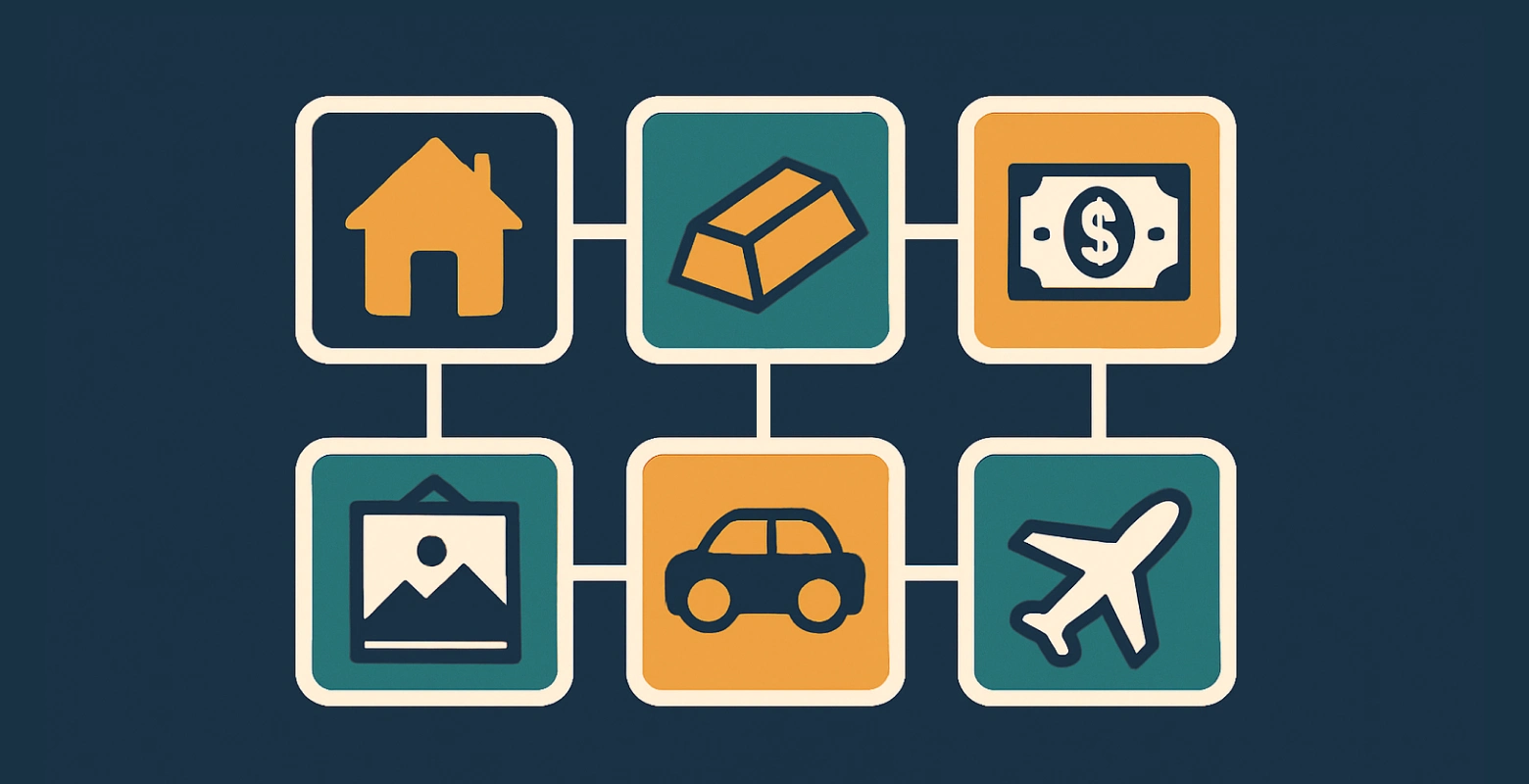
Real-world assets (RWAs) in blockchain are digital tokens that represent physical and traditional financial assets, such as currencies, commodities, and real estate [1]. These tokenized financial assets merge the speed and functionality of DeFi with the safety of real-world backing [2]. However, the infrastructure required to support these assets on Base varies significantly by use case.
Choosing the right hub depends on whether you prioritize low-cost settlement, institutional compliance, or yield generation. Use this framework to match your project’s specific needs to the correct infrastructure layer.
Base offers low gas fees, making it ideal for high-frequency micro-transactions or fractionalized assets. If your RWA involves frequent secondary trading or small-denomination investments, Base’s cost structure provides a distinct advantage over higher-fee L1s. Evaluate your expected transaction volume to determine if Base’s throughput aligns with your operational budget.
Institutional RWAs often require strict KYC/AML checks and legal wrappers. Compare hubs based on their integration with compliant token standards and legal service providers. If your asset is regulated securities or real estate, prioritize infrastructure that supports permissioned transfers and identity verification layers.
RWA yields are often tied to underlying asset performance (e.g., Treasury bills, private credit). Assess the liquidity depth of existing pools on Base. Higher liquidity reduces slippage for large trades and ensures stable pricing for the tokenized asset. Look for hubs with established partnerships for stablecoin on-ramps and off-ramps.
The value of an RWA depends on accurate, real-world data feeds. Ensure the hub uses reliable oracles to price the underlying asset. Oracle failures or delays can lead to liquidation risks or pricing arbitrage. Verify that the infrastructure supports multiple oracle sources for redundancy.
| Use Case | Infrastructure Priority | Base Fit |
|---|---|---|
| Micro-fractional Real Estate | Low Gas Fees | High |
| Institutional Treasury Bills | Compliance & Legal Wrappers | Medium |
| Private Credit Lending | Liquidity Depth | Medium-High |
| Commodity Tokenization | Oracle Integrity | High |
The decision ultimately hinges on your asset’s regulatory status and transaction frequency. For consumer-facing fractional assets, Base’s low-cost environment is often the primary driver. For institutional-grade instruments, compliance infrastructure and legal wrappers take precedence, regardless of the underlying chain’s cost structure.
Spotting Weak Options in RWA DeFi
The Real-World Asset (RWA) market is expanding rapidly, but not all infrastructure is built to last. Many platforms promise instant liquidity for tokenized assets, yet they lack the legal wrappers or oracle reliability to support them. When evaluating 2026 hubs, look past the marketing claims and examine the actual mechanism. A hub is only as strong as its weakest link—whether that’s a smart contract vulnerability or a missing regulatory compliance layer.
The Liquidity Mirage
Many RWA projects claim deep liquidity, but this is often artificial. They may show high volume from wash trading or locked tokens that cannot be sold. Real liquidity means you can exit a position without moving the price significantly. Check the order book depth and the number of active market makers. If the volume is driven by a single entity or bot, the liquidity is fragile.
Oracle Dependency Risks
RWA tokens rely on oracles to fetch real-world data. If the oracle is centralized or slow, the token price may diverge from the underlying asset. This is a common failure point. Look for hubs using decentralized oracle networks with multiple data sources. A single point of failure in price feeds can lead to liquidations or arbitrage losses.
Legal and Regulatory Gaps
Tokenizing real assets requires legal enforceability. Some hubs operate in regulatory gray areas, offering no clear path for asset recovery in case of default. This is a critical risk for institutional investors. Ensure the hub has clear legal opinions and custody solutions. Without this, the token is just a speculative asset, not a true representation of the underlying value.
Technical Debt and Audit History
Many RWA projects launch with minimal audits. Smart contract bugs can lead to total loss of funds. Always check the audit history and the reputation of the auditing firm. A single audit is not enough; look for continuous monitoring and bug bounty programs. Technical debt accumulates quickly in complex DeFi protocols, leading to unexpected failures.
Base real-world asset defi hubs: what to check next
What makes Base a good hub for RWAs?
Base offers a low-cost, high-throughput environment ideal for tokenizing assets that require frequent updates or micro-transactions. Its EVM compatibility ensures that existing DeFi tools and wallets work seamlessly, reducing the technical barrier for issuers. The L2 security model provides a balance between cost efficiency and the robustness needed for financial instruments.
How do you verify the real-world backing of a token?
Verification relies on the issuer’s transparency and the integration of oracles like Chainlink. Look for platforms that provide regular attestations from audited custodians and legal entities. The token’s smart contract should clearly link to off-chain data sources that prove the asset’s existence and value, ensuring the digital representation matches the physical or financial reality.
Are Base RWA tokens regulated?
Yes, most Base RWA projects operate under strict regulatory frameworks, often involving SEC or EU compliance structures. Tokenization doesn’t bypass securities laws; it digitizes them. Issuers must ensure that the token sale and secondary trading adhere to jurisdictional rules, such as KYC/AML requirements, which are often embedded directly into the token’s smart contract logic.
What are the risks of using Base for RWAs?
The primary risks include smart contract vulnerabilities and regulatory shifts. While Base is secure, code bugs can still lead to exploits. Additionally, changes in financial regulations could impact the legality of holding or trading certain tokenized assets. Diversifying across multiple hubs and using audited contracts mitigates these risks.
Helpful gear
Use these product recommendations as a starting point, then choose the size, material, and price point that fit how you actually use the gear.

As an Amazon Associate, we may earn from qualifying purchases.
No comments yet. Be the first to share your thoughts!